Red Sails Lettuce: Cultivar Profile, Growing Guide, and Culinary Tips

Introduction
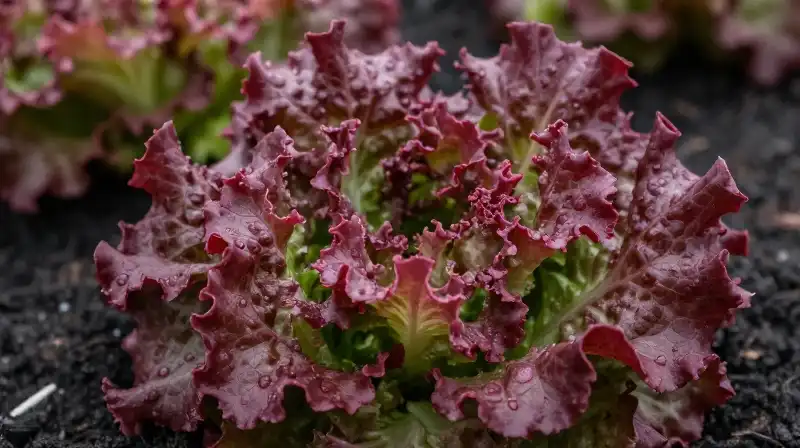
Red Sails lettuce is a distinguished looseleaf cultivar prized for its striking aesthetic and robust performance in the garden. Unlike conventional green leaf lettuces, Red Sails offers a vibrant, purplish-red splash across its rosette, coupled with a unique combination of light crunch and a pleasant melting texture. This variety is not merely a decorative choice; it is a high-performing crop known for its resistance to environmental stressors, including bolting in warm weather, and its capacity to maintain a flavorful profile even during intensive growth. If you are seeking a versatile and resilient loose-leaf lettuce that balances dramatic appearance with consistent quality for either domestic consumption or large-scale wholesale, Red Sails presents a compelling option.
Cultivar Characteristics and Flavor Profile
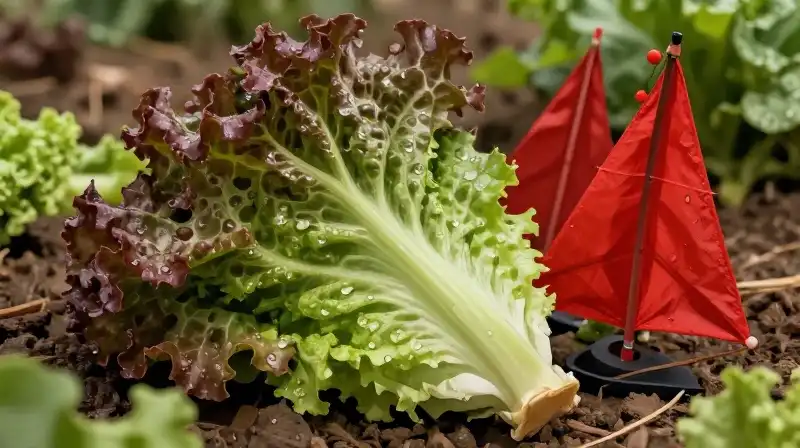
The core appeal of Red Sails lies in its unique visual characteristics and textural experience. It presents a mottled appearance with richly colored, purplish-red foliage, defined by serrated edges and delicate, bubbled frills. This combination creates a textured, visually appealing rosette perfect for garnishing salads or as the focal point of a bowl. Beyond its beauty, the flavor profile is a key attribute.
The variety is celebrated for its ability to deliver robust flavor while significantly slowing the development of bitterness, a common issue with certain red leaf lettuces. The texture provides a satisfying light crunch upon initial bite, which transitions beautifully into a pleasant melting quality as you chew. This combination makes it an excellent “quick salad” harvest crop, highly suited for immediate consumption.
As an organic loose-leaf variety, Red Sails maintains high standards of quality, making it a preferred choice for discerning gardeners and culinary professionals alike.
Red Sails Lettuce Growing Guide and Cultivation
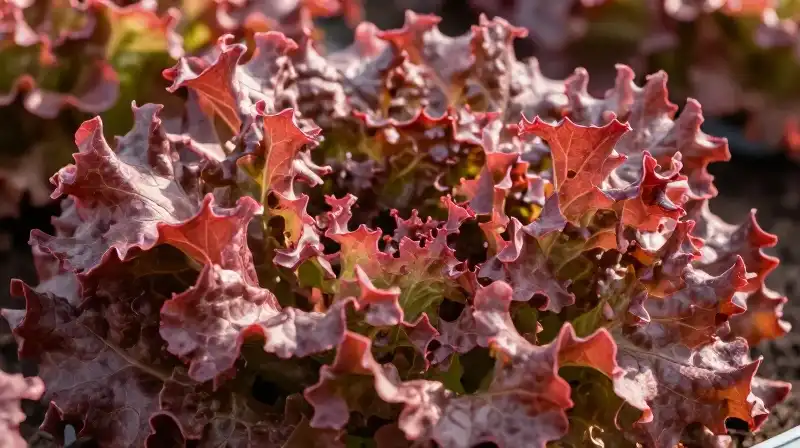
Red Sails is recognized as a vigorous and reliable crop, making it a relatively easy variety to grow, provided basic environmental needs are met. Its high rate of germination ensures successful planting, and it is well-suited for many regions, specifically thriving in areas like USDA Zone 9b. Its fast development from planting to harvest is a significant advantage for gardeners looking for rapid yields.
For optimal growth, Red Sails benefits from direct sowing, which can ideally occur as early as February. It performs well in direct sunlight and exhibits resilience in warm climates, resisting bolting—a major concern for many other lettuce varieties. This inherent heat tolerance is a major competitive advantage over more delicate leaf types.
| Growing Metric | Specification | Practical Implication |
|---|---|---|
| Ideal Conditions | Direct sun, Zone 9b | Requires consistent warmth for optimal vigor. |
| Planting Timing | Early spring (as early as Feb) | Allows for a rapid harvest cycle. |
| Growth Pattern | Vigorous and fast-developing | Ideal for quick salad harvests. |
Optimizing Harvest and Midrib Handling
Understanding the appropriate harvest size is crucial for maximizing the yield from your Red Sails plants. The variety offers flexibility based on intended use:
- “One-Cut” Head: For maximum efficiency and consistency, the lettuce can be harvested at 10 inches to produce a compact, uniform head. This method is ideal for market sales or large-scale use.
- Full Growth Harvest: If left to maturity, the plant will reach a final size of 12–16 inches, yielding a larger, more developed rosette.
A note on care: the midrib of Red Sails is notably fragile. When washing, packing, or handling harvested plants, use gentle motions to avoid breakage. This ensures the structural integrity and presentation of the lettuce remain high for the end consumer.
Culinary Application and Nutritional Value
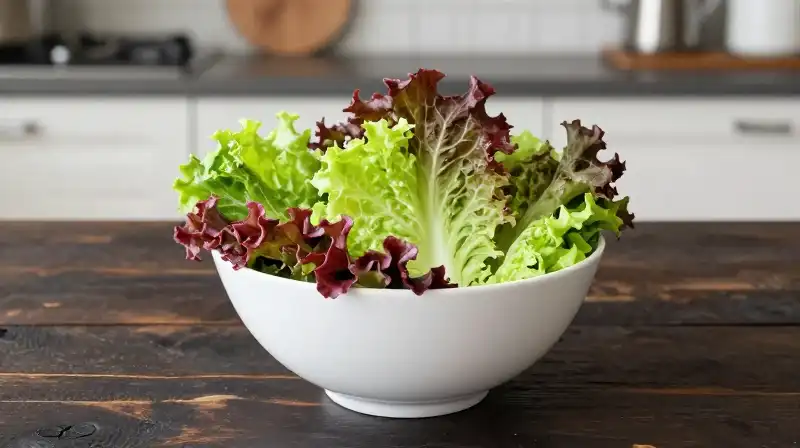
Red Sails lettuce is exceptionally versatile in the kitchen. Its unique texture and low bitterness make it an ideal base for almost any application, from simple side salads to complex composed dishes. Its visual impact also elevates any dish.
How to Use Red Sails:
- Raw Salads: Use the vibrant color to provide contrast in mixed greens.
- Sandwiches and Wraps: Its crisp, yet melting quality makes it a sturdy, flavorful wrapper alternative.
- Smoothies: The mild, refreshing taste of Red Sails allows it to be subtly incorporated into green smoothies without overpowering the natural flavors of the fruit.
While specific nutritional claims should always be verified by a healthcare professional, looseleaf varieties like Red Sails are typically rich in vitamins and provide a significant dose of hydration. Because it is an organically grown product, it naturally supports cultivation standards that benefit overall plant health and nutritional density.
Addressing Common Red Sails Growing Queries
Several specific questions arise when considering this variety, particularly for those new to specialized gardening. Here are practical answers to common queries:
-
Is Red Sails Lettuce easy to grow?
Yes. It is characterized as a reliable and vigorous crop with a high germination rate and impressive resilience, allowing it to withstand heat that would stress more sensitive varieties like Giant Caesar romaine.
-
Is Red Sails Lettuce good for you?
As a highly-regarded organic leafy green, it contributes fresh nutrients. Its clean flavor and high water content make it an excellent way to boost your daily intake of fresh produce.
-
Can I save seeds from my Red Sails lettuce?
Yes, like many reputable looseleaf cultivars, Red Sails is capable of seed saving. However, because this is an established, high-performing variety, it is recommended to consult local seed farming experts (like those supporting supply chain transparency) to ensure reliable, quality parent stock for subsequent planting.
-
What about cold tolerance?
While highly heat tolerant, its optimal planting window is early spring (starting Feb) when temperatures are reliably mild, ensuring the plants have sufficient time to establish and mature before any severe temperature drops occur.
Practical Considerations for Optimal Selection
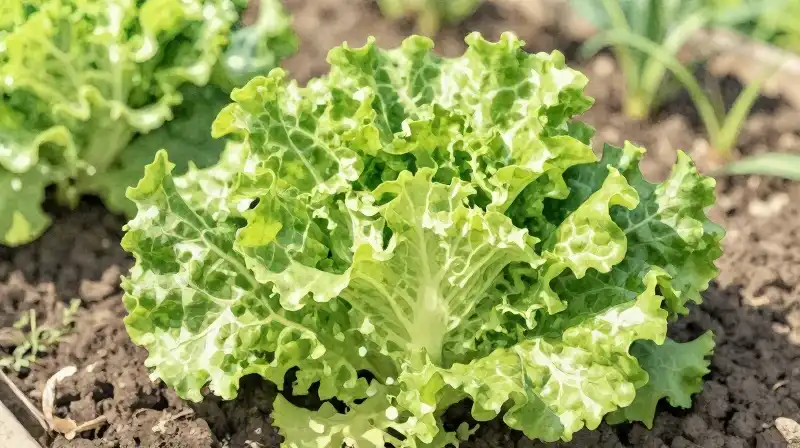
When deciding if Red Sails lettuce is the right choice for your project, consider its high performance criteria. It is not merely a delicate, short-lived beauty; it is designed for durability.
The primary selection criteria for Red Sails are:
- Aesthetic Value: You prioritize a visually striking, deep-colored harvest.
- Resilience: You need a variety that performs well and resists bolting during warmer growing seasons.
- Textural Quality: You prefer a blend of crisp snap and a pleasant melt rather than purely soft, watery leaves.
In summary, Red Sails is an excellent choice for those who demand a balance of high aesthetic appeal, reliable high-performance growth, and superior flavor without the typical bitterness associated with deeply pigmented leaf lettuces.
Frequently Asked Questions
Is red sails lettuce easy to grow?
Yes, Red Sails is characterized as a reliable and vigorous crop with a high germination rate and impressive resilience. It is recognized as a relatively easy variety to grow, provided basic environmental needs are met.
Is red sails lettuce good for you?
As a highly-regarded organic leafy green, Red Sails lettuce contributes fresh nutrients and is typically rich in vitamins and hydration. Its clean flavor and high water content make it an excellent way to boost your daily intake of fresh produce.
How to eat red sails lettuce?
Red Sails lettuce is highly versatile and can be eaten in raw salads to provide color contrast, used as a sturdy wrapper in sandwiches and wraps, or incorporated into smoothies.
Can I save seeds from my red sails lettuce?
Yes, Red Sails is capable of seed saving, similar to many reputable looseleaf cultivars. However, because it is an established variety, it is recommended to consult local seed farming experts to ensure reliable and quality parent stock.
How to Grow and Harvest Red Sails Lettuce
Plant the Seeds
Directly sow the Red Sails seeds in an environment that provides direct sunlight and consistent warmth, ideally starting as early as February.
Monitor Growth
Allow the variety to grow vigorously, capitalizing on its inherent resilience and heat tolerance to avoid bolting.
Determine Harvest Method
Decide if you need a compact head for efficiency and market sales, or a large, mature rosette for full growth harvest.
Harvest for Compact Head
If aiming for a uniform, compact head for maximum consistency, harvest the lettuce when it reaches 10 inches in height.
Harvest for Full Rosette
If you prefer a larger, more developed rosette, leave the plant to reach its full maturity, typically between 12–16 inches.
Handle with Care
When washing, packing, or handling the harvested plants, use gentle motions to protect the fragile midrib and maintain the lettuce's structural integrity.
Related Articles