Grow the Vibrant Disneyland Rose: A Complete Floribunda Guide

Introduction
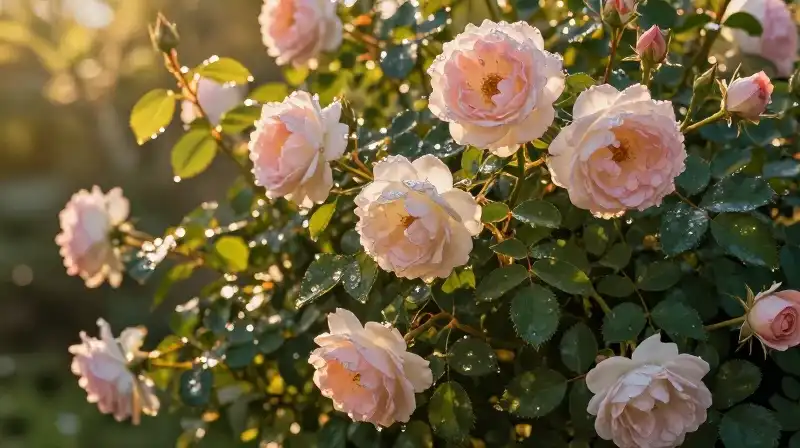
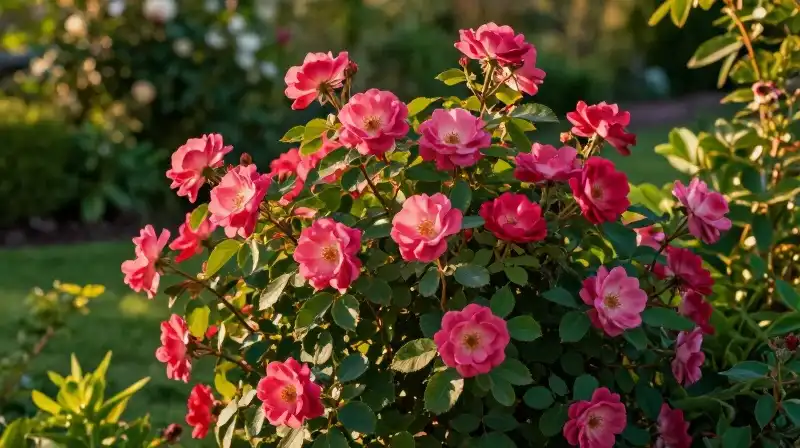
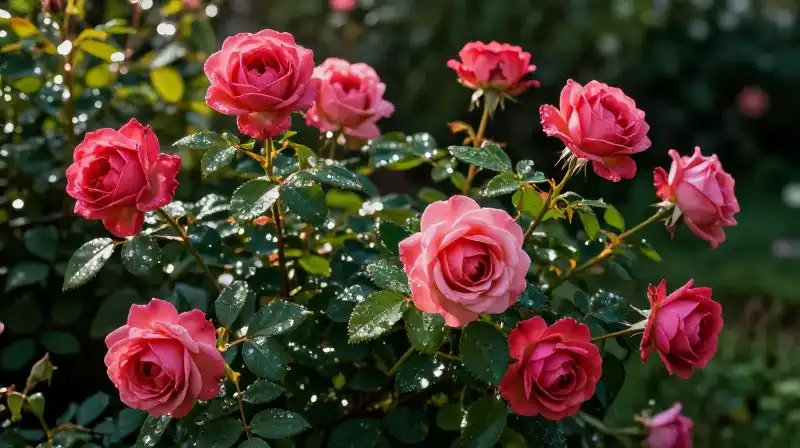
The Disneyland rose is a highly regarded floribunda cultivar, renowned not just for its striking visual appeal but also for its exceptional hardiness and robust growth. Named for its iconic status in Disney parks, this variety offers a prolific display of clusters that showcase a vibrant, multi-tonal palette spanning copper, apricot, pink, orange, and magenta. Its nature as a Floribunda means it is designed to bloom continuously and profusely throughout the season, making it an excellent choice for landscapers and home gardeners alike. If you are planning to grow this rose, understanding its specific needs is key to maximizing its heavy bloomer potential and ensuring long-term health.
Defining the Disneyland Rose and its Origins
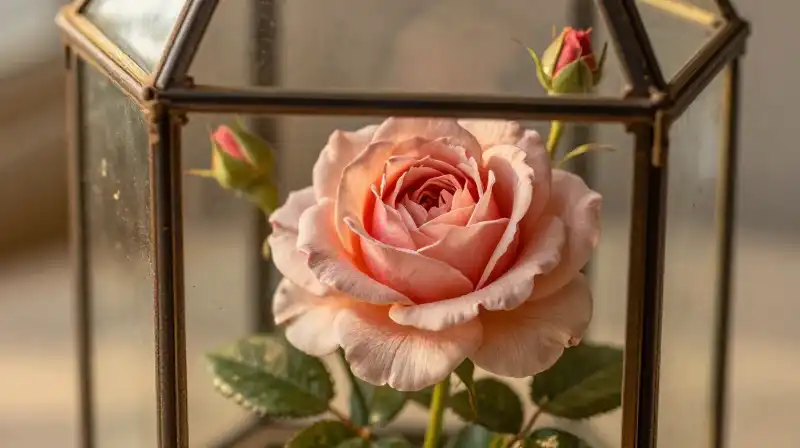 The Disneyland rose is fundamentally a floribunda, a classification characterized by its habit of producing numerous, large clusters of flowers rather than single blooms. This particular cultivar is celebrated for its resilience and its unique fragrance, which is often described as a light, spicy signature scent that makes it an attractive addition to cut flower arrangements. Regarding the history of the Disneyland rose, its development stems from the specialized efforts of the Disney Horticulture team. Cultivars such as this were created to meet the specific aesthetic and maintenance requirements of large public parks, where performance, disease resistance, and longevity are paramount. The result is a plant that is not only beautiful but exceptionally well-suited to thrive in various landscaping applications, from formal borders to casual containers.
Ideal Growing Conditions and Soil Preparation
To allow the Disneyland rose to achieve its full 26 to 30-inch mature height and maintain its vigorous health, specific environmental conditions must be met. This rose is an absolute sun-lover and demands abundant sunlight to produce its characteristic vibrant colors and sustained bloom cycles.
Sunlight and Location: Plant the rose in a location that receives full sun. Insufficient sunlight will result in diminished bloom production and weakened growth. Given its heat-tolerant nature, it is well-suited for early to late summer planting in regions that experience warm weather.
Soil and Planting: The soil must be well-drained. Since the plant requires regular deep growth, enriched, loose soil is ideal. Before planting, incorporate plenty of compost into the native soil to ensure the roots have access to rich, organic nutrients. Ensure the plant is staked or supported, especially as it matures into its tall, upright habit, and to help support the weight of heavy flowering clusters.
Disneyland Rose Care: Maintenance and Pruning Techniques
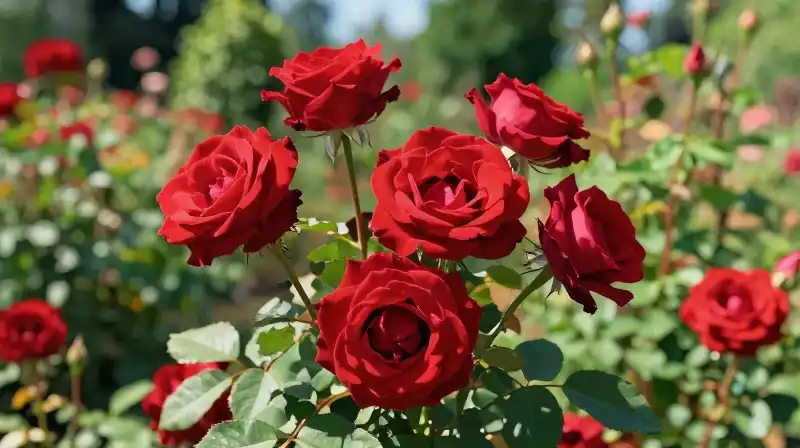 Consistent maintenance is what differentiates a thriving rose from a standard bush. For the Disneyland rose, the focus should be on maintaining its shape, encouraging continuous flowering, and maximizing its natural resistance to disease.
Pruning for Continuous Bloom
Regular pruning is crucial to maintain the plant’s desirable shape and stimulate new growth. The intensity of the cut depends on your climate:
- General Maintenance: Perform regular deadheading to remove spent blooms. This directs the plant’s energy back into producing new buds rather than setting seed.
- Seasonal Pruning: Conduct a structural prune in the spring to remove any dead, diseased, or crossing wood.
- Climate Adjustments: In warmer, Mediterranean, or hot climates, you may need to cut back more aggressively (up to one-third) in early spring to encourage the plant to break dormancy and flower robustly. In milder climates, a lighter touch might suffice.
Feeding and Fertilizing
To support the vigorous growth of this heavy bloomer, regular feeding is necessary. Utilize organic fertilizers designed for roses. Consistent feeding throughout the growing season promotes dense foliage and continuous flushes of flowers.
Why Choose the Disneyland Rose? Key Benefits and Performance
The Disneyland rose isn’t just a beautiful specimen; it is a reliable performer. Compared to many other Floribunda varieties, this cultivar offers distinct advantages in durability and appearance.
| Feature | Performance Indicator | Practical Benefit |
|---|---|---|
| Disease Resistance | Excellent natural resistance | Naturally resistant to common issues like powdery mildew and rust, reducing the need for chemical treatments. |
| Growth Habit | Tall (26-30 inches), upright, well-branched | Provides excellent structure for borders and hedging. |
| Bloom Cycle | Heavy bloomer; flushes all season | Offers sustained, colorful displays from early to late summer. |
| Fragrance | Light, spicy, distinct | Suitable for both landscaping and cut flower arrangements. |
Addressing Specific Grower Questions
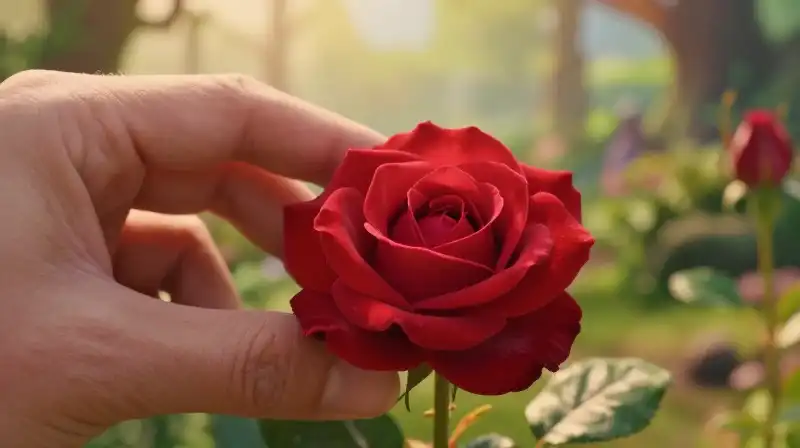
Disneyland Rose for Sale and Purchasing Guidance: When searching for a Disneyland Floribunda Rose where to buy, look for reputable garden centers or specialized online nurseries that confirm the specific cultivar name to avoid receiving generic rose types. Given its popularity in Disney parks and among enthusiasts, availability varies seasonally.
Is the Disneyland Rose Heat Resistant? Yes. Its classification as a robust, heat-tolerant Floribunda makes it highly suitable for environments that experience intense summer heat, ensuring its blossoms continue to appear reliably even when other varieties might slow down.
Practical Considerations for Successful Cultivation
While the Disneyland rose is known for its vigor, success still depends on avoiding common planting mistakes.
Soil Drainage is Non-Negotiable: The most frequent error in rose gardening is planting in poorly draining clay soil. Ensure you create raised beds or heavily amend your planting hole with coarse organic material to prevent root rot, which can diminish a heavy bloomer’s productivity.
Ongoing Care Schedule: Maintain a disciplined schedule of watering during dry spells, regular organic feeding, and consistent pruning. Because this variety is highly productive and natural diseases are mitigated, your maintenance efforts can be focused on maintaining the visual presentation and structural integrity of the bush, rather than constantly fighting off pests.
Explore more: Dia de los Muertos Skull Designs: Symbols and Artistic Inspi
Frequently Asked Questions
What is the history of the Disneyland rose?
The development of the Disneyland rose stems from the specialized efforts of the Disney Horticulture team. This cultivar was created to meet the specific aesthetic and maintenance requirements of large public parks, prioritizing performance, disease resistance, and longevity.
Related Articles