Olive Tree (Olea Europaea) Growing and Cultivation Guide

Introduction
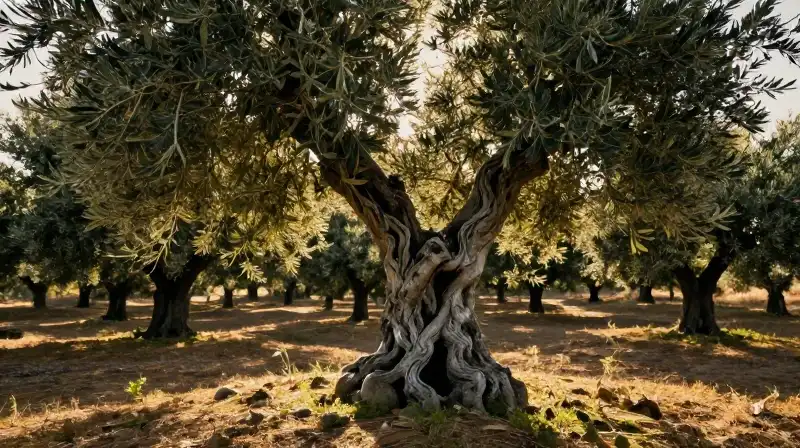
The olive tree, Olea europaea, is more than just a decorative shrub; it is a deeply rooted symbol of the Mediterranean landscape, prized equally for its unique sculptural form, its silver foliage, and the high-quality fruit it produces. Native to regions spanning the Mediterranean basin to China, this slow-growing broadleaf evergreen possesses a gnarled, venerable appearance that lends itself perfectly to drought-tolerant gardens. However, cultivating a healthy, productive olive requires a specific understanding of its water needs, soil requirements, and long-term maintenance. To successfully grow Olea europaea, the focus must be on establishing the tree in optimal conditions and then managing its transition into a mature, drought-hardened specimen.
Cultivating the Ideal Environment for Olea Europaea
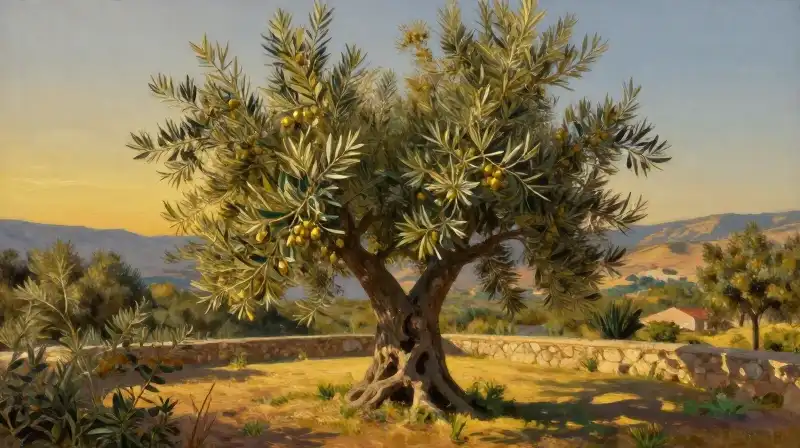
The fundamental requirements for the olive tree are intensely practical, centering on light exposure and soil drainage. While they are renowned for their resilience, they are not without specific needs that determine whether a tree flourishes or struggles.
Sun and Climate
Optimal health and reliable fruit production mandate full, consistent sun exposure. Olive trees thrive in intense light, which helps drive the production of the small, fragrant white flowers during the summer. Although they can tolerate cooler temperatures, they are highly dependent on warm, dry conditions to ripen their green drupes into their characteristic purplish-black color. While most cultivars are suitable for USDA Zones 8 through 10, cold-hardiness varies significantly; always check the specific cultivar’s requirements for your local climate.
Soil Requirements and Drainage
Olive trees are famously adaptable, often successfully growing in rocky, sandy, or even poor, alkaline soils. The primary concern is not the type of soil, but its ability to drain. Excellent drainage is non-negotiable. Roots are highly susceptible to rot if they sit in standing water, making well-draining soil a critical factor for long-term success, regardless of the native soil type in your region.
Establishing Your Olive Tree: Propagation and Placement
Deciding how to acquire and where to plant your tree impacts its early growth and eventual size. Understanding these steps ensures the foundation of your cultivation is solid.
Propagating and Sizing the Olive
Olive trees are commonly propagated through two methods: seed or semi-ripe cuttings. Seed propagation is often used for creating hardier, wild-type plants, while cuttings provide clones of specific, high-quality cultivars. When selecting a plant for your landscape, consider the size the variety will reach; trees can grow to 20 to 30 feet in height and 15 to 25 feet in width. For spaces where full structural development is not possible, olive trees can be successfully cultivated in large containers, provided the pot is consistently placed in full sun.
Understanding Olive Growth and Yield
A common question regarding the timeline for harvest is addressed by recognizing that Olea europaea is a slow grower. The tree requires several seasons to establish a robust root system before significant fruit production begins. While timing varies by cultivar and growing conditions, it generally takes 3 to 7 years before an olive tree produces a meaningful crop. Once mature, the tree becomes highly drought tolerant, favoring deep and infrequent watering over frequent shallow irrigation.
Sustainable Cultivation Practices and Maintenance
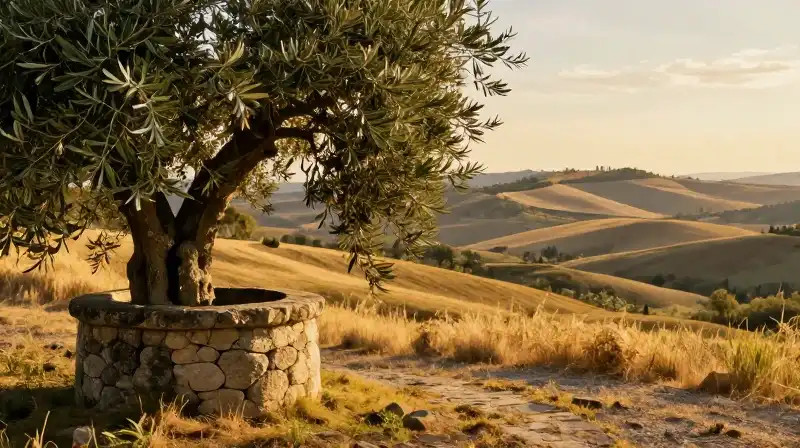
Effective maintenance of the olive tree involves pruning, careful water management, and vigilance against common horticultural challenges. These practices ensure both ornamental quality and fruit health.
Water Management Strategy
Once the olive tree is established and has undergone its initial rooting phase, its drought-tolerant nature shines. The best strategy is to provide deep, infrequent watering. This encourages the roots to grow deeper into the ground, making the tree much more resilient during hot, dry summers. Avoiding overwatering is the single most effective way to prevent root rot, the most common failure in cultivation.
Pruning for Shape and Health
For optimal landscape impact, especially in Mediterranean-style gardens, periodic pruning is essential. Light annual pruning, ideally executed in late winter or early spring, helps maintain a vase-shaped or open canopy. This pruning encourages air circulation through the silvery foliage, which helps prevent fungal issues and promotes better sunlight penetration, vital for the tree’s overall structural development.
Managing Pests and Diseases
While the olive is generally robust, certain threats require monitoring. The most frequent horticultural issue is root rot, which is often caused by improper irrigation rather than an actual pathogen. Other issues to be aware of include scale insects and fruit fly. If you notice symptoms of wilt or unusual growths, check your drainage and watering schedule before assuming a pest issue; for severe or persistent infestations, consulting local agricultural experts is advisable.
Landscape Integration and Practical Applications
The olive tree serves multiple functions in a landscape, from aesthetics to functional utility, making it a valuable addition to diverse settings.
Ornamental Presence
The gnarled trunk and silvery, matte foliage make the olive tree an exceptional focal point for coastal plantings and hillside stabilization. Its unique, sculptural form provides powerful visual interest, particularly in arid or semi-arid climates, offering a timeless, Mediterranean character.
Beyond Fruit: Uses
In addition to providing edible table olives (which are harvested during specific color changes), the tree is culturally important for its oil production. Furthermore, with increasing environmental consciousness, olives are increasingly used as a renewable fuel source. To enhance yields in an orchard setting, planting multiple varieties and utilizing cross-pollination is recommended.
Deciding on Olive Care: Practical Cautions and Synthesis
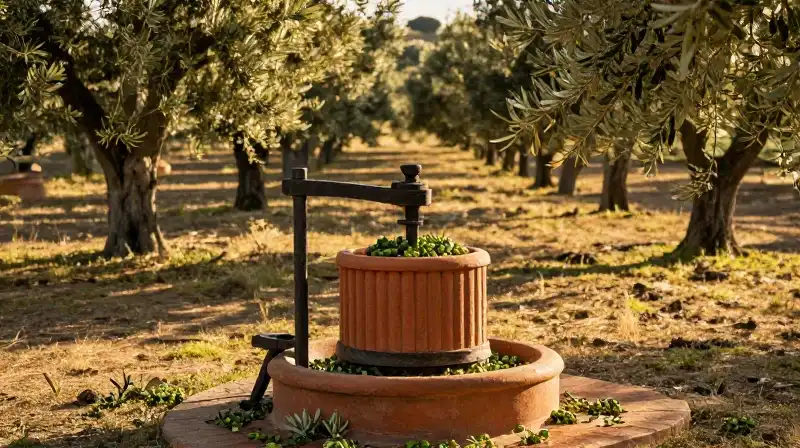
Successful cultivation of Olea europaea is less about providing lavish care and more about providing precise conditions that respect its native, arid-climate origins. Here is a summary of critical decisions for the grower:
- Prioritize Drainage: No matter how much water you give, if the soil retains it, the tree will suffer root rot.
- Think Long-Term Drought: Understand that the initial establishment phase requires more careful attention, but the mature tree is naturally designed to survive deep-drought cycles.
- Assess Your Goals: If your primary goal is ornamental display, focus on consistent shape maintenance through pruning; if your goal is high yield, focus on soil fertility and cross-pollination.
- Be Patient with Growth: Expect a long-term investment; the olive tree matures over several years before it becomes a productive powerhouse.
Frequently Asked Questions
How many years does it take for Olea europaea to produce olives?
Generally, it takes 3 to 7 years before an olive tree produces a meaningful crop, as the slow-growing plant requires several seasons to establish a robust root system.
How to Cultivate an Olive Tree
Propagate and Select
Propagate the tree using either seed (for wild-type plants) or semi-ripe cuttings (for specific cultivars), and decide whether to plant in the ground or in a large container.
Prepare the Environment
Establish the tree in a location with full, consistent sun exposure and ensure the soil has excellent drainage, as root rot is highly susceptible to standing water.
Manage Initial Growth
Be patient, understanding that the olive tree is a slow grower and requires several seasons to establish a robust root system before significant fruit production begins.
Implement Water Management
Once established, use a deep and infrequent watering strategy to encourage deep root growth, prioritizing avoiding overwatering to prevent root rot.
Maintain Through Pruning
Perform light, periodic pruning, ideally in late winter or early spring, to maintain a vase-shaped or open canopy that promotes air circulation and sunlight penetration.
Monitor Health and Pests
Monitor the tree for issues like scale insects or fruit fly; if wilt is observed, first check the drainage and watering schedule before assuming a pest infestation.
Related Articles