Cultivating the Lady Banks Rose: Growth, Varieties, and Care Guide

Introduction
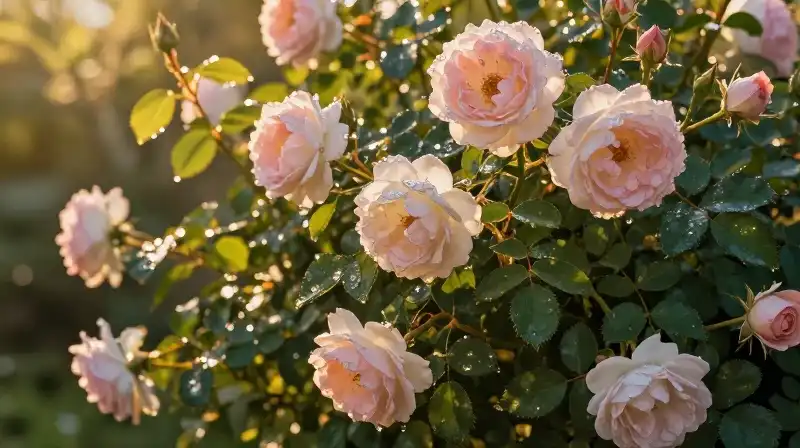
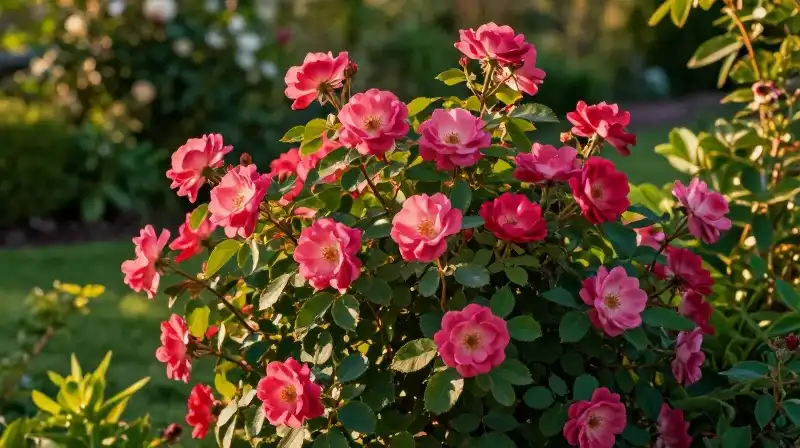
The Lady Banks rose, commonly known as *Rosa banksiae*, is a highly valued species prized for its prolific blooms and impressive growth habit. Unlike many traditional roses that require intensive pruning and careful maintenance, the Lady Banks is known for its vigorous, often nearly thornless nature, making it an attractive option for gardeners seeking a high-impact display with relatively low fuss. This guide outlines the essential elements of cultivating the Lady Banks rose, covering its distinct varieties, ideal growing conditions, and the specific care routine required to ensure optimal health and abundant color in your garden.
Defining the Lady Banks Species and its Varieties
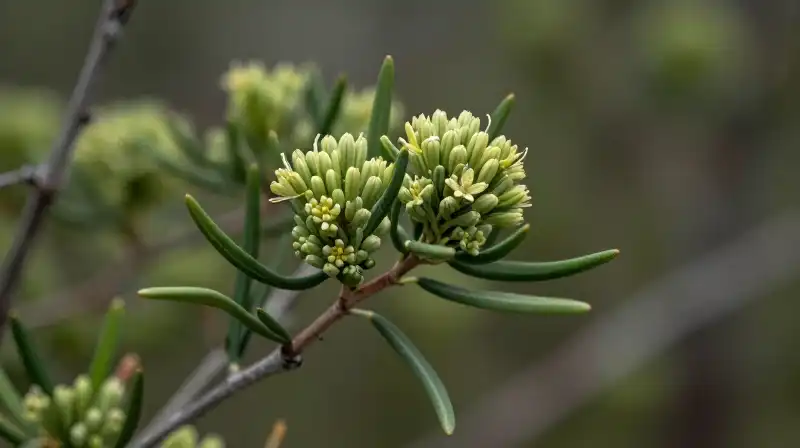 Lady Banks is a large, rambling species that originated in China. It is distinguished by its ability to thrive as a significant climber or a sprawling shrub, capable of achieving dramatic vertical or horizontal growth depending on the support provided. The most significant varieties to consider are:
- Yellow Lady Banks: This cultivar features vibrant yellow flowers. It is noted for its soft, sweet fragrance and generally exhibits significant drought tolerance. It is a vigorous grower and is ideal for areas requiring high visual impact.
- White Lady Banks: Known for its white, double blossoms, this variant offers a classic, highly fragrant aesthetic. It is known to be an excellent pollinator attractor and performs well when given ample support.
- General Characteristics: The species is characterized by its generally low incidence of severe fungal issues (like black spot) compared to other roses, though good air circulation remains crucial.
Optimal Placement and Planting Conditions
Successfully cultivating the Lady Banks begins with selecting a site and container that can handle its robust growth. The plant’s specific needs dictate the success of the cultivation.
Sunlight and Temperature Requirements
The Lady Banks rose performs best in locations receiving full sun, or in areas that benefit from partial shade during the hottest part of the day. It is highly adaptable across a broad range of USDA Hardiness Zones, thriving specifically in Zones 6b through 10b, where it can even remain evergreen.
Soil and Structural Needs
For optimal root development, the Lady Banks requires moist, well-draining soil. Loamy soil with a slightly acidic to neutral pH is ideal. If planting in large containers, ensure the pot is robust, preferably glazed ceramic or concrete, and possesses adequate drainage holes to prevent root rot.
Managing the Growth Habit
Because the Lady Banks is a natural rambler, it is critical to provide strong structural support from the outset. Whether you choose to train it as a climbing rose on an arbor or let it sprawl, sturdy trellises, arbors, or large cages are necessary to direct its massive growth pattern and maintain plant health.
Lady Banks Rose Care Guide: Water, Feeding, and Maintenance
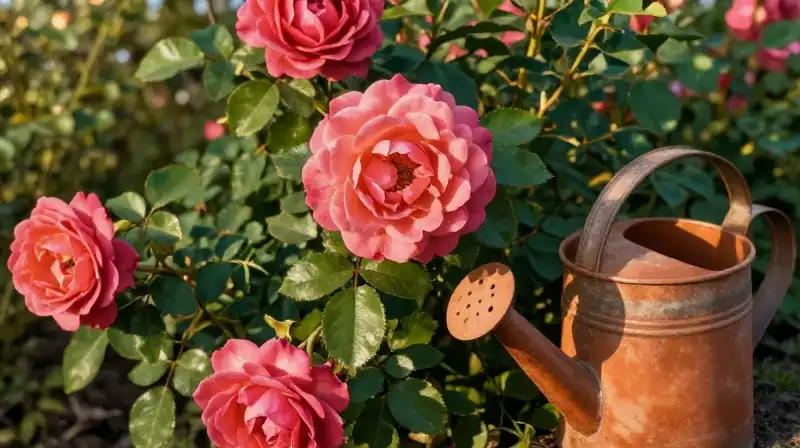 Once planted, consistent attention is required to support the rose’s prolific blooming cycle.
Watering Routine
The Lady Banks requires regular and consistent watering. The goal is to keep the soil consistently moist, especially during dry periods, but always avoid oversaturation, which can lead to root decay. Deep, infrequent watering is generally preferred over shallow, daily sprinkles to encourage deep root growth.
Fertilization Schedule
A consistent feeding routine is necessary to sustain its vigorous nature and large clusters of flowers.
- Initial Growth (Spring): Begin fertilization when new growth starts in spring. Liquid fertilizers, such as fish fertilizer, are particularly effective during the first year of establishment.
- Mid-Season Maintenance: Continue fertilizing approximately every two to three weeks, especially after observing a flush of blooms.
- Cold Weather Preparation: For roses located in colder zones, cease all fertilizing six to eight weeks before the first expected frost to allow the plant to prepare for dormancy.
Pruning and Maintenance
The Lady Banks is known for blooming on old wood. Therefore, pruning should generally only occur after the annual flowering cycle is complete.
- Deadwood Removal: Regular removal of dead or crossing canes helps improve airflow, which is vital for disease resistance.
- Shaping: While it is a naturally sprawling plant, minor shaping to direct its growth up a support structure should be done immediately following the main bloom period.
Addressing Common Concerns and Maintenance Nuances
While the Lady Banks is noted for its relative resilience, specific conditions can present challenges.
Managing Pests and Disease
Though susceptible to issues like mildew, the Lady Banks often shows less vulnerability than other highly bred varieties. The primary defense against disease (like black spot) is maintaining excellent air circulation—ensuring that the plant is not overly crowded, especially when trained to an arbor.
The Role of Different Cultivars
When deciding between the yellow and white variants, consider the functional use of the plant. If the goal is maximizing drought tolerance and bright color for high-traffic areas, the Yellow Lady Banks may be preferable. If the goal is a more traditional, subtle fragrance and white display, the White Lady Banks is the better choice.
Strategic Success for the Lady Banks Rose
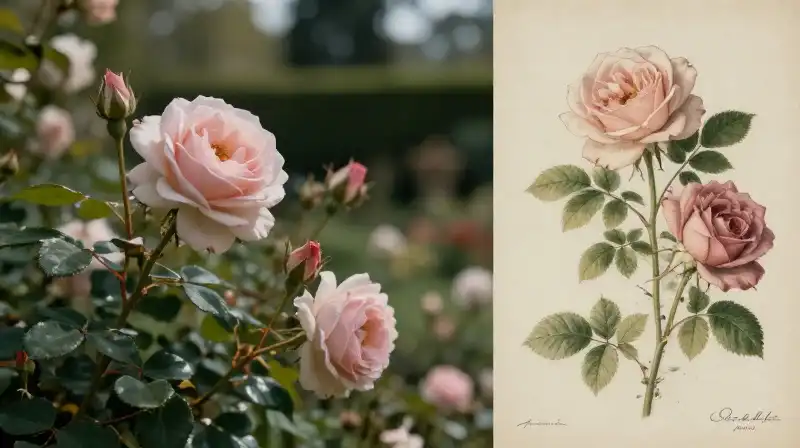 The successful cultivation of a Lady Banks rose relies on recognizing its massive scale and vigor. Treat it not as a delicate shrub, but as a powerful, sprawling feature of your landscape. The crucial steps for long-term success involve providing robust physical support early on, ensuring consistent moisture without saturation, and adhering to a regular, targeted feeding schedule during the growing season. By respecting its need for full sun and ample resources, you can enjoy the dramatic, abundant displays that make this sprawling species so popular.
Explore more: Triquetra Meaning: Unpacking the Symbol of the Celtic Knot T
Frequently Asked Questions
What is the dress code for Lady Banks?
The provided article is a gardening guide about the Rosa banksiae rose and does not contain any information regarding a dress code for Lady Banks.
How to Successfully Cultivate a Lady Banks Rose
Select Site and Soil
Choose a location that receives full sun or partial shade during the hottest part of the day, and prepare moist, well-draining, loamy soil with a slightly acidic to neutral pH.
Install Structural Support
Provide strong structural support such as sturdy trellises, arbors, or large cages from the outset, as the Lady Banks is a natural rambler and requires guidance for its growth pattern.
Water Consistently
Maintain a consistent watering routine by keeping the soil moist, especially during dry periods, while avoiding oversaturation. Deep, infrequent watering is preferred to encourage deep root growth.
Apply Fertilization
Begin fertilizing with liquid fertilizers (like fish fertilizer) when new growth starts in spring. Continue feeding approximately every two to three weeks during the mid-season, and cease all fertilization six to eight weeks before the first expected frost.
Prune and Maintain Health
After the annual flowering cycle is complete, remove dead or crossing canes to improve airflow. You may also perform minor shaping to direct the plant's growth up its support structure.
Related Articles