Inkberry Shamrock Guide: Growing and Caring for Glossy Holly

Introduction
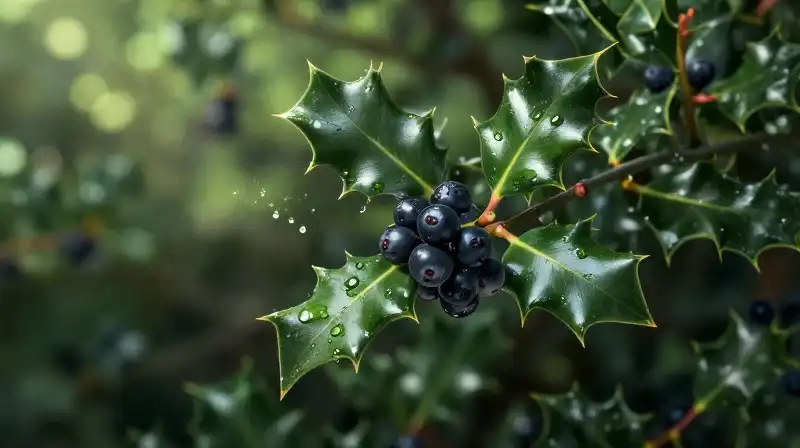
The Inkberry (*Ilex glabra*), specifically the compact ‘Shamrock’ variety, is a prized shrub for its enduring year-round appearance. Unlike many common hollies, Inkberry is known for its dense growth, jet-black berries, and exceptionally glossy, dark green foliage that remains attractive even in the harshest winter conditions. If your landscape requires a hardy, broadleaf evergreen that maintains structure and color with minimal effort, Inkberry offers a durable solution. The ‘Shamrock’ cultivar provides a highly manageable size (typically 3–4 feet), making it ideal for container use, borders, and foundational plantings where space is limited.
Understanding Inkberry and the ‘Shamrock’ Cultivar
 Inkberry belongs to the holly family and is distinguished by its robust nature and unique growth habits. The primary difference between the species and the ‘Shamrock’ cultivar lies in size and management. While standard Inkberry can mature into a sizable, upright shrub (5–8 feet), the ‘Shamrock’ version is specifically bred for compactness and often exhibits fewer root suckers, which simplifies long-term maintenance. The plant is characterized by:
- Foliage: Dark green, glossy, and ovate to elliptic leaves.
- Form: Upright-rounded and dense.
- Size (‘Shamrock’): Compact, reaching approximately 3–4 feet.
- Flowering/Fruiting: Produces inconspicuous greenish-white flowers in spring, followed by striking jet black drupes in early autumn.
Essential Environmental Requirements for Growth
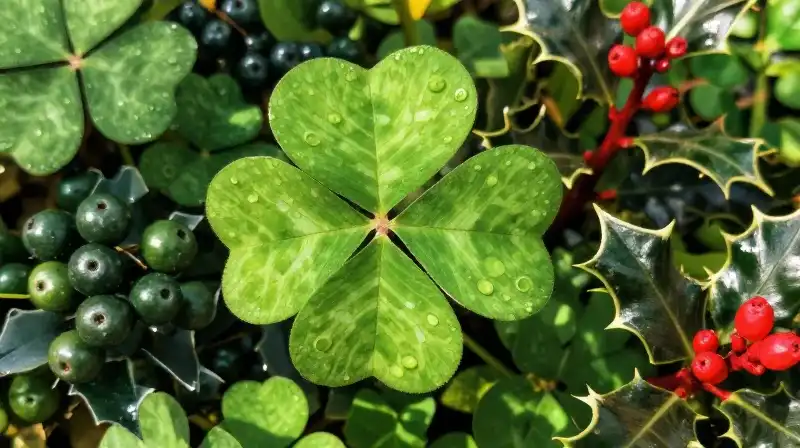 Success with Inkberry hinges on specific environmental conditions, particularly regarding sunlight and soil chemistry. While the plant is generally resilient, meeting its specific needs will ensure robust growth and healthy foliage.
Sun Exposure and Water Needs
Inkberry thrives in full sun, which helps maintain the glossy sheen of its dark leaves and promotes healthy berry development. It requires rich, consistently moist soil. While it can tolerate some variation in soil type, maintaining adequate moisture is crucial, especially during the establishment phase of the plant.
Soil Type and pH Considerations
Choosing the right soil is critical for Inkberry health. The plant prefers acidic soil conditions. It is important to avoid neutral or alkaline soil, as these conditions can hinder root development and reduce overall vigor. Although Inkberry is adaptable, optimal growth occurs in soil that retains moisture well while still providing adequate drainage.
Practical Planting and Ongoing Care
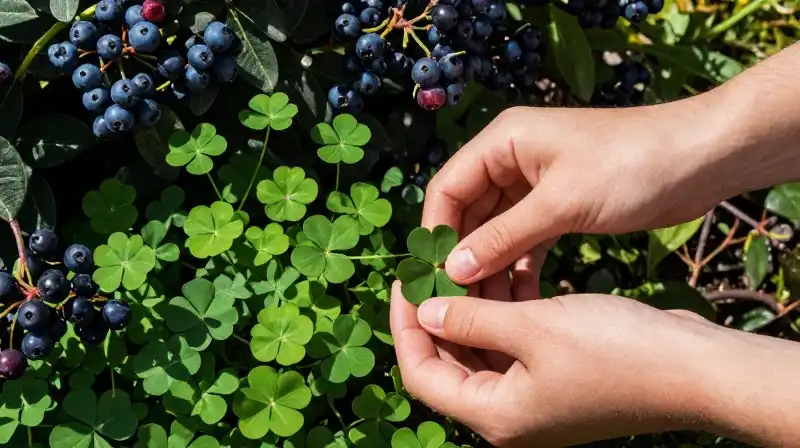 Establishing and maintaining a healthy Inkberry requires specific attention to seasonal maintenance, focusing on shaping the plant and managing its natural growth patterns.
Proper Maintenance Routine
Pruning is recommended in the early spring, prior to the commencement of new growth. This allows you to shape the shrub and maintain its desired compact form, especially with the ‘Shamrock’ variety. Regular monitoring for and removal of root suckers should also be performed throughout the growing season to keep the plant controlled and prevent it from becoming overgrown or unruly.
Understanding Its Natural Habit
A defining characteristic of the Inkberry, particularly in its standard form, is its tendency to produce root suckers—shoots that grow from the base of the parent plant. While the ‘Shamrock’ cultivar is naturally less prone to this, vigilance is still necessary. Removing these suckers early ensures the plant maintains a controlled size and directs its energy into the main, desired canopy.
Choosing Inkberry for Your Landscape: Limits and Ideal Scenarios
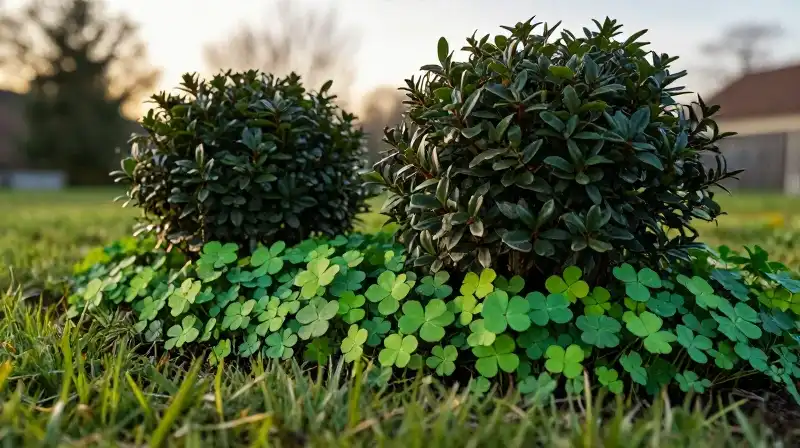 Inkberry excels in environments where a dependable, dark evergreen shrub is desired. However, its performance is tied to specific conditions, meaning it may not be the right choice for every garden layout.
Where Inkberry Thrives
Inkberry is naturally suited to coastal plains, preferring sandy woods and the edges of swamps, which aligns with its preference for rich, moist, acidic, and well-drained environments. It is excellent for:
- Providing permanent color and structure in shady or sun-dappled garden beds.
- Defining borders with a highly ornamental, glossy texture.
- Providing compact, low-maintenance evergreen interest in small spaces (with the ‘Shamrock’ variety).
Limitations and Challenges
The primary limitations relate to soil type and care. If your native soil is neutral or alkaline, significant amendments (like adding sulfur or acidic fertilizers) will be necessary to support healthy growth. Additionally, while the ‘Shamrock’ is compact, it still requires attentive pruning and suckering management to achieve its best results.
Synthesis: Quick Guide to Successful Inkberry Cultivation
To ensure your ‘Shamrock’ Inkberry flourishes, prioritize the intersection of acidic soil and consistent moisture. By understanding that this plant requires a specific chemical environment—acidic rather than neutral—and by committing to early spring pruning and proactive removal of root suckers, you can maximize its dense, glossy beauty. Focus on these practical steps to transform the shrub into a foundational element of your enduring landscape.
How to Cultivate a Healthy Inkberry 'Shamrock'
Prepare the Environment
Ensure the location receives full sun and is amended with rich, consistently moist soil that is acidic.
Perform Early Spring Pruning
Prune the shrub in early spring, before the start of new growth, to maintain its compact and desired shape.
Manage Root Suckers
Regularly monitor the plant throughout the growing season for root suckers.
Remove Suckers Proactively
Remove root suckers as soon as they appear to ensure the plant remains controlled and directs its energy into the main canopy.
Related Articles