Bishops Flower: Growing Tips, Uses, and Safety Information

Introduction
Bishop’s Flower, scientifically known as Ammi majus, is an easily cultivated annual herb widely recognized for its delicate, lacy white blooms. While it thrives in gardens and is prized for its aesthetic value in floral arrangements, the plant carries significant chemical properties. Understanding Bishop’s Flower requires looking beyond its ornamental charm to its biological structure, its historical use in traditional medicine, and the critical safety precautions necessary when handling the plant. Belonging to the Apiaceae family—the carrot family—it shares a look with similar species, making proper identification and adherence to safety guidelines paramount.
Horticultural Value and Growing Tips
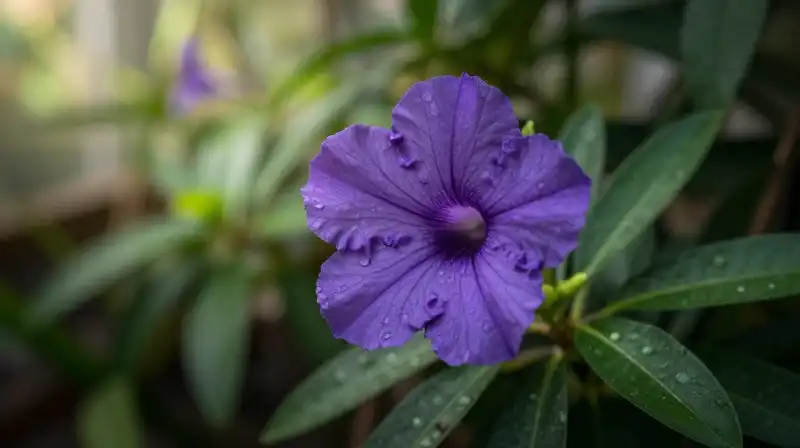
As a garden ornamental, Bishop’s Flower is highly prized for its visual appeal and resilience. Gardeners favor its hardiness, as it is generally considered adaptable to various soil conditions and requires relatively low maintenance, making it suitable for both novice and experienced plant enthusiasts.
Growth and Cultivation
Ammi majus is robust and can be successfully grown from seed. To maximize the visual impact of your garden, focus on these growth techniques:
- Harvesting Techniques: For continuous flower production, it is recommended to cut the stems just above a leaf node or bud after the flowers have fully opened but before they begin to wilt.
- Attracting Pollinators: Due to its lacy, composite structure, Bishop’s Flower serves as an excellent host and attractant for beneficial insects, such as predatory beetles and ladybugs, contributing naturally to pest control in the garden.
- Seed Saving: If you wish to cultivate the plant yearly, allow some blossoms to reach the end of their life cycle. Once mature, the flowers form brown, seed-bearing heads. Collected seeds should be stored in an airtight container in a cool, dry environment.
Uses of Bishop’s Flower: Ornamentation vs. Medicine
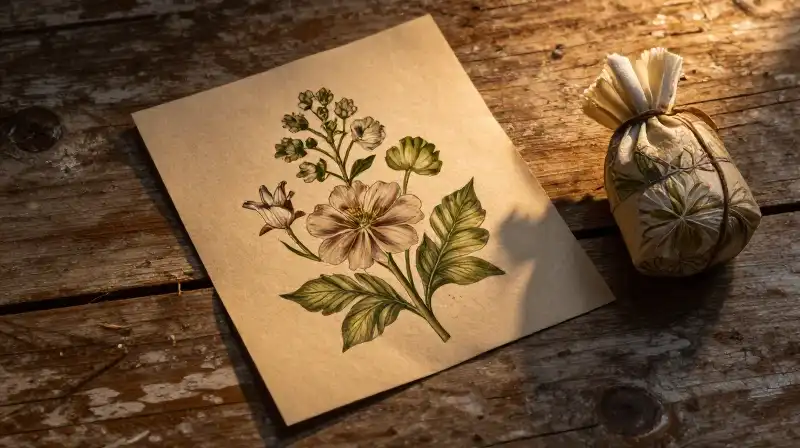
Bishop’s Flower presents two distinct paths of utility: its role in landscape design and its application in traditional and modern medical contexts. It is crucial to maintain this separation as its use in medicinal treatments is highly specialized and strictly managed.
Ornamental and Aesthetic Applications
In the ornamental sphere, the plant is cherished for its lacy, highly decorative flower clusters, which are arranged in a compound umbel. These blooms hold up remarkably well in a vase, making them a favorite component of wildflower bouquets and mixed floral displays. It is a versatile addition to various garden styles.
Traditional and Modern Medicinal Uses
Historically, the plant and its seeds were utilized in the Nile River Valley for treating specific dermatological issues, particularly vitiligo. This historical knowledge informs its modern applications. Today, research and clinical studies leverage the plant’s potent natural compounds—furanocoumarins (specifically bergapten and xanthotoxin)—to develop treatments for various skin diseases.
It is essential to understand that while these compounds show promise in modern medicine, their use must only occur under the strict supervision of medical professionals. Self-treatment based on traditional knowledge is strongly advised against.
Safety Profile: Understanding Phytophotodermatitis Risk
The most critical aspect of handling Bishop’s Flower is understanding its chemical composition. Ammi majus contains significant amounts of furanocoumarins, which function as powerful photosensitizers. This property dictates clear safety protocols.
The Risk of Phytophotodermatitis
Furanocoumarins react with ultraviolet radiation present in sunlight. When the plant’s active compounds come into contact with skin, and that skin is subsequently exposed to UV light, it can trigger phytophotodermatitis. This condition is a serious skin inflammation. Therefore, when harvesting or handling the plant for purposes other than its ornamental use (like processing seeds), protective measures are necessary.
Those who handle the plant must take care to avoid prolonged skin contact, especially during peak hours of UV exposure.
Bishop’s Flower vs. Queen Anne’s Lace and Related Concerns
There is frequent confusion in common naming regarding Bishop’s Flower. While it belongs to the same Apiaceae family as the well-known Queen Anne’s Lace, they are distinct species. Utilizing a comparison can clarify the differences.
| Feature | Bishop’s Flower (Ammi majus) | Queen Anne’s Lace |
|---|---|---|
| Scientific Name | Ammi majus | Daucus carota |
| Common Name | Bishop’s flower, Laceflower, Bullwort | Queen Anne’s Lace |
| Safety/Toxicity | Contains photosensitizing furanocoumarins (requires caution) | Generally considered non-toxic, though ingestion can cause upset in livestock |
Addressing Common Misconceptions
Some users inquire about the toxicity and edibility of the plant. While some parts of the Apiaceae family are consumed, Bishop’s Flower is generally not recommended for human consumption, particularly due to its potent furanocoumarin content, which complicates any traditional ‘edibility’ status. Furthermore, while it is a widely planted garden species, the term ‘invasive’ is not generally applied to Ammi majus in established, controlled cultivation, though environmental conditions can lead to localized spread.
Synthesis: Safe and Effective Cultivation
Bishop’s Flower offers a blend of beauty and complex utility. For the gardener, it is a low-maintenance plant that provides excellent visual appeal and attracts pollinators. For those considering its therapeutic potential, the plant holds promise due to its unique chemical profile. The fundamental decision point for any user is safety: always treat Ammi majus as a potent chemical agent. If you intend to use it for ornamental or horticultural purposes, standard gardening practices suffice. If the intention is medicinal, consultation with qualified experts is non-negotiable. By recognizing the distinction between its decorative value and its chemical risks, you can enjoy Bishop’s Flower while mitigating the potential for phytophotodermatitis and misuse.
How to Cultivate and Handle Bishop's Flower
Continuous Flowering Harvest
For continuous flower production, cut the stems just above a leaf node or bud after the flowers have fully opened but before they begin to wilt.
Seed Maturity
To cultivate the plant yearly, allow some blossoms to reach the end of their life cycle until they form brown, seed-bearing heads.
Seed Collection and Storage
Collect the mature seeds and store them in an airtight container in a cool, dry environment.
Safety Precautions
When harvesting or handling the plant, take protective measures to avoid prolonged skin contact, especially during peak UV exposure, due to the risk of phytophotodermatitis.
Related Articles