Cucurbita Maxima Squash Cultivation: Types, Requirements, and Species Guide

Introduction
Cucurbita maxima is a highly complex and diverse flowering plant, forming the basis for many of the largest and most distinctive winter squash varieties, including giants like the Hubbard and Kabocha. This domesticated species originated in South America over four thousand years ago. While often grouped broadly with pumpkins, understanding the specific characteristics and taxonomic placement of C. maxima is crucial for successful cultivation. It is a cornerstone of commercial and home agriculture, offering culinary versatility and specialized uses.
This guide provides a detailed look into the cultivation of C. maxima squash, clarifying its botanical classification, outlining the specific environmental requirements needed for optimal growth, and offering practical advice on selecting varieties and managing potential growing challenges.
Distinguishing C. Maxima from Other Cucurbits
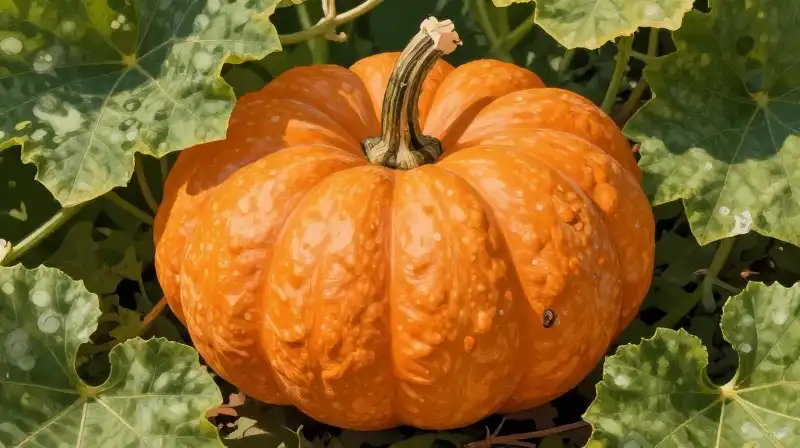
A common point of confusion is the relationship between Cucurbita maxima, pumpkins, and other squash types. While all are within the Cucurbita genus, they are distinct species with differing cultivation needs and characteristics. Addressing the question, “Is Cucurbita maxima a pumpkin?” requires nuance: while large varieties exist, C. maxima is one of several species within the genus.
Botanists categorize the genus Cucurbita primarily into three species: pepo, maxima, and moschata. Choosing the right one—and thus choosing the right growing plan—is the key decision point for growers.
| Species | Cultivation Challenge | Defining Characteristics | Common Examples |
|---|---|---|---|
| Cucurbita maxima | Often most challenging; susceptible to insect pressure. | Known for extremely large size and varied, robust flesh. | Hubbard, Kabocha, Giant Pumpkins, Buttercup |
| Cucurbita pepos | Generally manageable; widely adaptable. | Relatively fast growth and diverse, often smaller shapes. | Zucchini, Delicata, Acorn Squash |
| Cucurbita moschata | Considered the easiest species to cultivate. | Known for robust, typical pumpkin flavor and shape. | Butternut Squash, many traditional pumpkins |
Why the Distinction Matters for Growers
The difference between C. maxima and C. pepos (the squash most people associate with quick harvests like zucchini) lies in growth potential and resilience. C. maxima strains are often bred for maximum size, which requires rigorous support and management, whereas pepos are frequently used for their quicker maturity and general adaptability.
Optimal Growing Conditions for C. Maxima Squash
Cultivation success for C. maxima depends heavily on replicating its native South American environment. These plants are heat lovers and require specific soil and spacing to thrive.
Soil and Climate Requirements
- Temperature: C. maxima requires warm weather for optimal growth. They struggle to establish and mature fully in cool northern climates.
- Soil pH: Ideal soil conditions range narrowly from a pH of 6.0 to 6.8. Maintaining this slightly acidic to neutral balance is critical for nutrient uptake.
- Sunlight: As a heavy feeder and large plant, it demands full sun exposure throughout the growing season.
Planting and Spacing Recommendations
Due to the massive potential size of these squash, proper spacing is not merely a suggestion—it is a requirement to prevent competition for resources.
- Plant Spacing: Space individual plants 3 to 5 feet apart.
- Row Spacing: Allow 6 to 10 feet between rows to accommodate the vining nature of the plant and facilitate air circulation, which helps prevent fungal diseases.
Variety Selection and Growth Habits
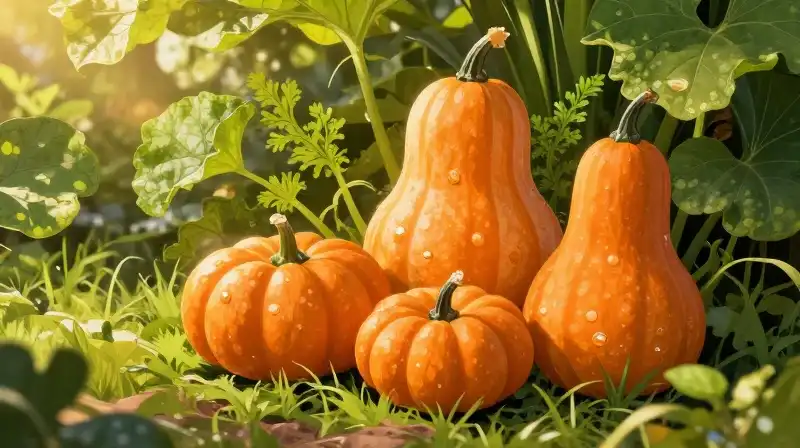
While the species is generally characterized by a vigorous vining habit, some specific C. maxima cultivars exhibit a bush-like growth habit, particularly in their younger stages. Selecting the right variety depends entirely on your space and intended use.
Popular and distinct varieties include:
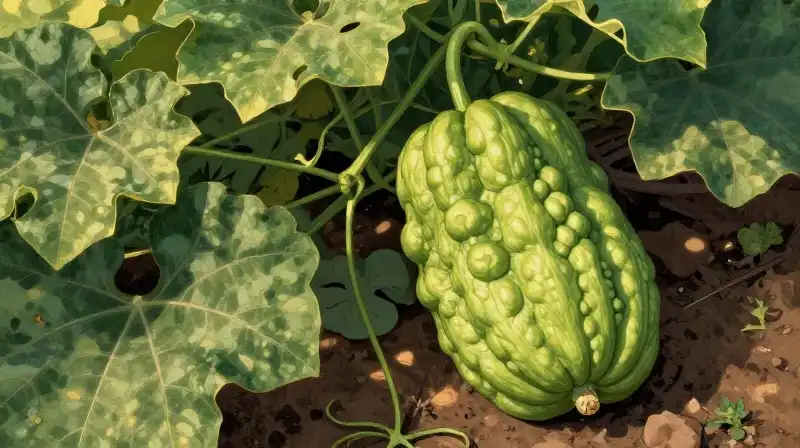
- Hubbard Squash: Known for its long, slender shape and often used strategically as a trap crop to deter specific pests.
- Buttercup Squash: Characterized by its golden flesh and notable chestnut flavor.
- Kabocha: A popular variety valued for its large size and sweet, dense flesh.
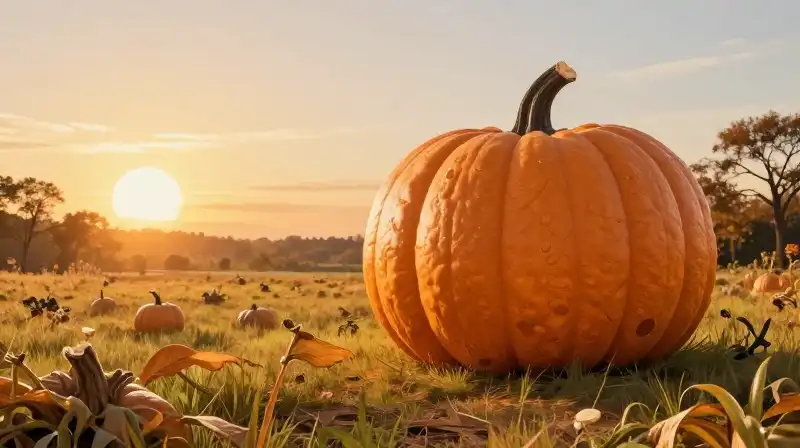
- Giant Pumpkins: These represent the peak of C. maxima potential, requiring immense space and care.
The utility of these squashes extends far beyond consumption. Beyond culinary uses like roasting, mashing, and baking, the seeds of C. maxima have been traditionally used for treating animal parasites.
Addressing Common Growing Challenges and Management
While C. maxima is a highly productive plant, its complexity means that specific management is required to avoid common pitfalls. These challenges often relate to pest pressure and nutrient demands.
The Challenge of Pests and Nutrient Management
Maximal species are often subject to higher insect pressure compared to their smaller counterparts. Therefore, proactive monitoring and management are non-negotiable.
Cultivation success is fundamentally dependent on proper nutrient management. These plants are heavy feeders. A consistent feeding regime, tailored to the growth stage, is required to support the large biomass these varieties can achieve.
Harvest and Curing
When harvesting C. maxima, the timing depends on the variety. Some squashes are ready to be eaten immediately post-harvest, while others, especially those intended for long-term storage, require a period of post-harvest curing to develop their peak flavor and shelf life.
Synthesis: Maximizing Your C. Maxima Harvest

To maximize your yield and success, the primary focus must be on environmental fidelity and proactive care. Do not attempt to grow C. maxima in cooler, northern climates where it may fail to establish. Begin your planting with a precise pH of 6.0 to 6.8, ensuring ample space for the plant’s expansive growth.
If you are concerned about pest pressure or space constraints, select varieties specifically known to exhibit a bush-like habit or those designated for pest deterrence, such as Hubbard. By understanding the critical differences between C. maxima and related species, you can make informed decisions about variety, spacing, and management, ensuring a bountiful and flavorful harvest.
Frequently Asked Questions
Is Cucurbita maxima a pumpkin?
The article states that while Cucurbita maxima is often grouped broadly with pumpkins and includes varieties like Giant Pumpkins, it is botanically one of several distinct species within the genus Cucurbita.
How big does Cucurbita maxima get?
Cucurbita maxima is known for its extremely large size and is often bred for maximum size. Varieties such as Kabocha and Giant Pumpkins represent the peak of this potential, characterized by massive potential size and varied, robust flesh.
What is the difference between C. maxima and C Pepo?
C. maxima is known for its extremely large size and varied, robust flesh, often requiring rigorous support due to its maximum growth potential, whereas C. pepos is characterized by relatively fast growth and diverse, often smaller shapes.
How to Cultivate Cucurbita maxima Squash
Assess Climate Suitability
Ensure warm weather conditions as C. maxima struggles to mature fully in cool northern climates.
Prepare Soil and Space
Prepare the soil to be slightly acidic or neutral, maintaining a pH between 6.0 and 6.8, and ensure the area receives full sun exposure.
Determine Planting Layout
Space individual plants 3 to 5 feet apart, and maintain 6 to 10 feet between rows to allow for air circulation and prevent competition.
Select Appropriate Variety
Choose a cultivar based on space and needs; for confined areas, select a bush-like habit, or select varieties like Hubbard if managing pest pressure.
Manage Nutrients and Pests
Since C. maxima is a heavy feeder, establish a consistent feeding regime, and conduct proactive monitoring to manage the higher insect pressure common to the species.
Monitor Growth and Support
Provide rigorous support and management throughout the growing season due to the plant's massive potential size and vining habit.
Harvest and Cure
Harvest the squash based on the specific variety; plan for a period of post-harvest curing if long-term storage is the goal to optimize flavor and shelf life.
Related Articles