Prayer for Garden: A Guide to Blessings, Guidance, and Harvest


Introduction
The practice of praying over a garden is more than a ritual; it is an intentional dedication of the earth and its produce. It serves as a way to acknowledge divine influence in the natural processes of growth, seeking spiritual blessing over the physical yield. When gardeners integrate prayer, they are connecting the labor of cultivation with a deeper purpose—using the garden not just for sustenance, but as a place for spiritual growth, gratitude, and connection with a higher power.
The primary goal of these blessings is threefold: to purify the intent of the gardener, to request protection for the plants and soil, and to offer thanks when the harvest arrives. This guide offers practical approaches to blending spiritual life with soil work, detailing the various types of prayers and how to make this practice meaningful and consistent.
How to Bless Your Garden: A Practical Guide

Blessing the garden involves more than simply reciting a predetermined text. It is an act of consecration—setting the garden apart as a place of provision and stewardship. The process typically begins at the start of a new cycle, such as when preparing the soil or planting seeds.
To properly bless your garden, focus on the intention behind your actions. Consider these foundational steps:
- Preparation and Dedication: Before digging, take a moment to acknowledge the land. The blessing is often seen as dedicating the space for the purpose of feeding the family and sharing resources with the wider community.
- Mindful Cultivation: During weeding, watering, or pruning, engage in mindful prayer. This doesn’t require stopping to kneel; it can be a quiet meditation, a brief whisper of thanks for the soil, or a request for the plants to thrive under the gardener’s care.
- Purifying the Intent: Ask yourself why you are gardening. If the intent is purely for personal greed, the blessing may feel hollow. If the intent is to provide, nurture, and share, the spiritual energy behind the act is stronger.
Specific Prayers by Stage: From Planting to Harvest
The needs of a garden change throughout its lifecycle. Therefore, different prayers are effective at different stages. Understanding these categories helps ensure you are addressing the correct spiritual needs of the plot.
Blessings for Planting and Growth
These prayers are directed at the beginning of the season, seeking favor, vitality, and protection for the emerging seedlings. They focus on the potential held within the seed.
- Guidance and Strength: Pray for the wisdom to select the right seeds, the physical strength to perform the labor, and the knowledge of when the plants need specific care.
- Vulnerability and Growth: A prayer for growth acknowledges that growth is a process of surrender and trust in the natural, divine unfolding of life, even when things are small and fragile.
Prayers for Protection and Defense
Gardens are vulnerable to unseen threats—pests, disease, sudden weather changes, and negative influences. Prayers for protection invoke spiritual defense mechanisms.
When seeking protection, the focus should be on three areas:
- Physical Health: Asking for immunity in the crops against blight or insect infestation.
- Environmental Safety: Requesting favorable weather, protection from unexpected freezes, or excessive drought.
- Spiritual Guard: Invoking protection against any negative energies or detrimental influences that could unintentionally harm the life force of the plants or the well-being of the family consuming them.
Prayers for the Harvest and Gratitude
The harvest prayer is an exercise in ultimate gratitude. It recognizes that the fruition of the labor is a gift. This prayer shifts the focus from seeking to receiving.
The harvest blessing should include:
- Thanksgiving: Expressing profound thanks for the sustenance provided and the successful labor.
- Provision: Acknowledging that the garden is a vessel of life and asking that the bounty be used responsibly to nourish the body and spirit.
- Generosity: A prayer that encourages the gardener to give more than they keep, recognizing the abundance received.
Did Jesus Pray in the Garden?

Yes, Jesus prayed in gardens frequently, though the context and type of garden varied. The most famous example is the Garden of Gethsemane. This was a deeply personal, agonizing moment of prayer where Jesus sought strength and guidance while facing the gravity of his impending suffering. In this context, the garden served not merely as a backdrop, but as a sanctuary—a place where he could find quiet, strength, and spiritual clarity before a monumental test.
When reflecting on this, the garden becomes a metaphor for the inner life. Just as Jesus found strength amidst the natural setting, the gardener uses the soil and the quiet time outside to seek spiritual nourishment and grounding, connecting the rhythms of nature to the rhythms of faith.
Integrating Prayer into the Daily Garden Routine
To move beyond occasional ritual, integrating spiritual practice into the daily rhythm of gardening transforms the hobby into a practice of faith. This requires consistency and mindful application.
Two high-value approaches to integration include:
| Approach | Method | Benefit |
|---|---|---|
| Scriptural Meditation | While weeding, quietly reflect on passages relating to growth, sowing, or provision. | Connect physical labor directly to theological concepts. |
| Family Worship | Set aside dedicated time, perhaps at sunset, to pray collectively as a family about the garden’s progress. | Teaches children about the concept of divine growth and stewardship. |
By making prayer a natural part of the routine—rather than an added chore—it becomes a consistent source of spiritual strength for the gardener and an intentional dedication of the harvest to a purpose greater than mere consumption.
Balancing Faith and Stewardship: A Final Consideration
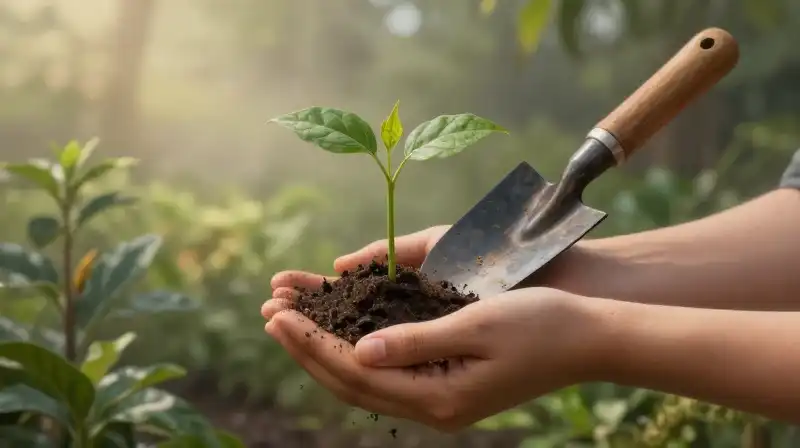
A vital nuance of the prayer for garden is recognizing its relationship to physical work. Spiritual guidance and prayer are powerful tools, but they must complement diligence and proper agricultural knowledge. Prayer is not a substitute for amending poor soil, planting at the wrong time, or applying necessary pest management. Instead, prayer elevates the effort.
The most successful spiritual and physical gardening involves a balance: offering consistent, mindful dedication through prayer while simultaneously executing skilled, practical stewardship. Use these guides to personalize your practice, adjusting the focus of your prayers to match the actual needs and seasons of your unique garden and family.
Explore more: Traditional Día de los Muertos: Symbols, History, and Custom
Frequently Asked Questions
How to bless your garden?
Blessings involve setting the garden apart as a space of stewardship, while focusing on the intent to provide, nurture, and share. You can properly bless your garden by engaging in mindful cultivation, such as a brief prayer while weeding, or by tailoring your blessings to the specific stage of the plant, from requesting strength during growth to expressing gratitude during the harvest.
What psalm did Jesus pray in the garden?
The article does not mention a specific psalm that Jesus prayed; it only notes that he sought strength and guidance during his prayer in the Garden of Gethsemane.
How to Bless Your Garden
Preparation and Dedication
Before digging, take a moment to acknowledge the land and dedicate the space for the purpose of feeding the family and sharing resources with the wider community.
Purifying the Intent
Ask yourself why you are gardening to ensure the intent is to provide, nurture, and share, rather than being motivated purely by personal greed.
Mindful Cultivation
During routine tasks such as weeding, watering, or pruning, engage in mindful prayer, quiet meditation, or a brief whisper of thanks for the soil.
Utilize Scriptural Meditation
While performing physical labor like weeding, quietly reflect on passages relating to growth, sowing, or provision.
Practice Family Worship
Set aside dedicated time, such as at sunset, to pray collectively as a family regarding the garden's progress and stewardship.
Related Articles