White Spots on Plant Leaves: Identification and Effective Treatments

Introduction
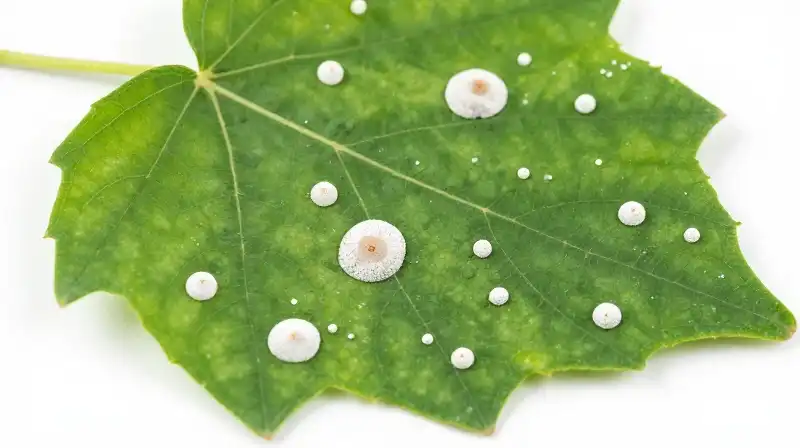
White spots appearing on indoor plant leaves are often the result of complex interactions between the plant, its environment, and external stressors. While they might initially seem like a simple cosmetic issue, they are key indicators—ranging from the delicate balance of a nutrient deficit to a severe fungal or pest infestation. Treating the symptom (the white spot) without addressing the root cause often leads to recurring problems. To effectively manage these white marks, it is necessary to perform a differential diagnosis, categorizing the spots by their appearance, texture, and location to determine if the issue is biological, mineral, or environmental.
Differentiating White Spots: Diagnosis First
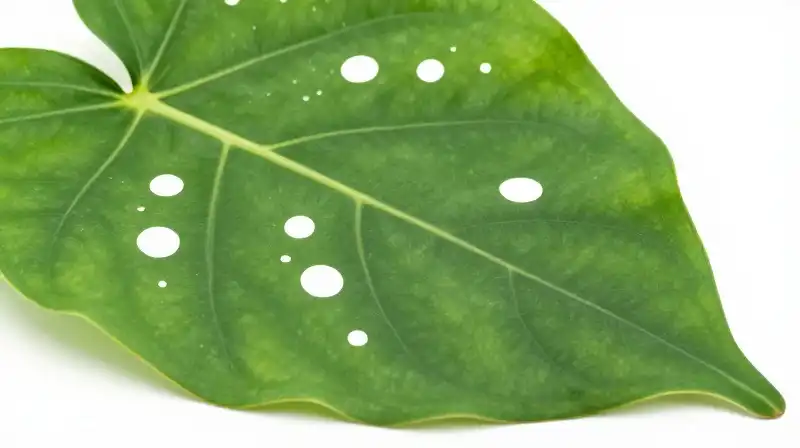 The crucial step in addressing white spots on plant leaves is determining the precise nature of the problem. Not all white markings are the same; a floury coating suggests one issue, while a milky film points to another. Use this guide to help differentiate the most common causes:
Pest Infestations (Mealybugs and Scale)
Pests are frequently mistaken for disease due to their whitish appearance.
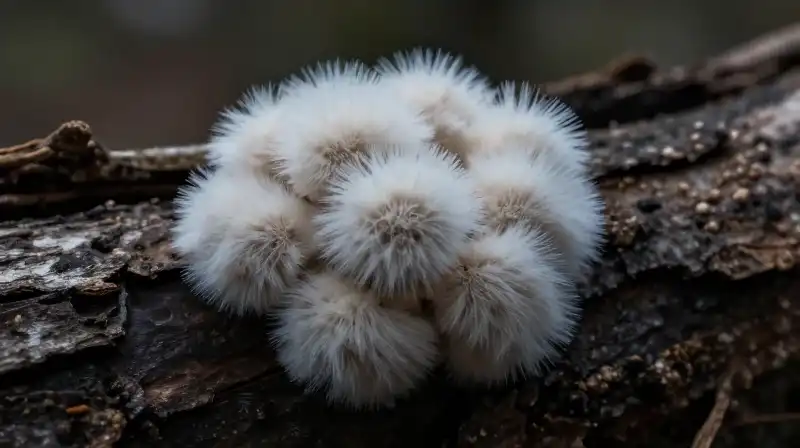
- Mealybugs: These are small, cottony clusters that appear as bright white, waxy masses primarily on stems, joints, and the undersides of leaves. They usually leave behind sticky residue (honeydew) that can attract pests.
- Scale Insects: Similar to mealybugs but harder and more fixed, these appear as tan, brown, or white, hard shells clustered along branches. They require targeted physical removal and chemical treatment.
- Whiteflies: These tiny, winged insects are often coated in a waxy white powder and are most commonly found congregating underneath the leaves. Their presence indicates a high risk of spreading disease and sucking plant sap.
Fungal and Bacterial Pathogens
Pathogens often thrive under specific environmental conditions.
- Powdery Mildew: This is one of the most common causes. It presents as a powdery, white, or grayish coating that thrives in warm, high-humidity, yet dry air. The spots usually cover the upper surface of the leaves.
- Bacterial Leaf Spot: Unlike fungal spots, bacterial spots are often small, angular, and may appear water-soaked or oily. They frequently develop a distinct yellow halo as the infection spreads. This type of issue flourishes in warm, very humid conditions.
- Downy Mildew: This infection manifests as white spots on the upper leaf surface but often exhibits accompanying yellow spots or a visible grey-white fuzz on the undersides of the leaves, preferring cooler, damp environments.
Environmental and Nutritional Stress
Sometimes, the cause has nothing to do with a microscopic invader.
- Mineral Deposits (Efflorescence): If the white substance looks like a fine, chalky residue, it is often mineral deposits left behind by hard tap water or excessive fertilizer application. These appear on leaf surfaces and are a sign of incorrect watering or feeding habits.
- Sun Scorch: Excessive direct sunlight can cause bleached or pale white areas. This occurs when the leaf tissue is damaged by intense UV exposure, requiring the plant to be moved to a spot with more filtered light.
- Nutrient Deficiency: Though less common than other causes, a lack of specific nutrients like nitrogen or iron can cause light-colored, discolored spots. A key sign of deficiency is that symptoms typically appear first on the older, lower leaves.
Comparison of Symptoms and Locations
To refine your diagnosis, use this comparison to distinguish the primary causes:
| Appearance | Primary Texture | Common Location | Likely Cause | Environment |
|---|---|---|---|---|
| Fluffy, mold-like covering | Powdery, waxy | Upper leaf surface | Fungal Infection (Powdery Mildew) | Warm, dry |
| Sticky white clusters | Waxy, grainy | Stems, leaf joints | Pest Infestation (Mealybugs) | Warm, protected |
| Sharp, angular, oily marks | Defined, water-soaked | Leaf edges, sporadic | Bacterial Infection (Leaf Spot) | High humidity, warm |
| Chalky buildup on surface | Dry, gritty | New leaf growth, lower leaves | Mineral Deposits / Nutrient Burn | Hard water, over-fertilizing |
| Pale, bleached areas | Dry, scorched | Outer margins, affected side | Environmental (Sun Scorch) | Excessive direct sunlight |
Effective Treatment Protocols
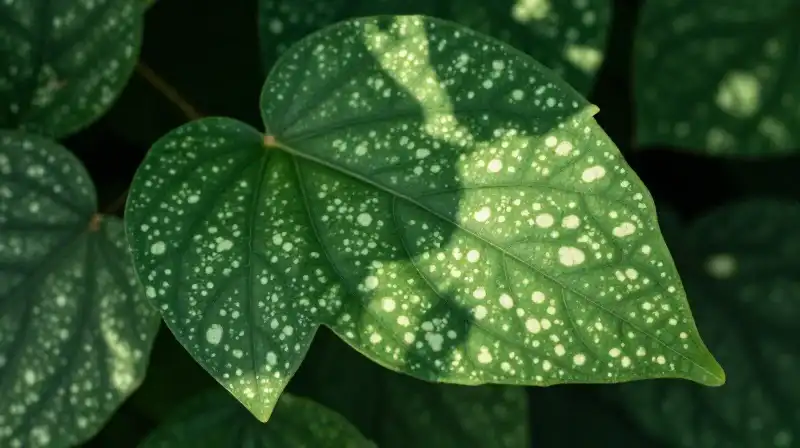 Once the cause is identified, the treatment plan must be targeted. Treatment approaches vary depending on whether the culprit is a pest, a fungus, or an environmental issue.
Natural Remedies for Mild Infestations
For minor fungal or pest outbreaks, several natural solutions can be effective:
- Neem Oil: This oil is a powerful natural fungicide and insecticide. It works by disrupting the pests’ life cycle and is effective against various mild fungal infections. It must be applied thoroughly and followed by rinsing.
- Baking Soda Solution: A mixture of baking soda and water can help control powdery mildew by altering the leaf’s pH and disrupting fungal growth. It is generally safe but should be used sparingly and at the correct dilution.
- Liquid Soap: For pests like mealybugs, insecticidal soaps can dissolve the protective waxy coating, allowing the solution to penetrate the pest’s body.
Targeted and Intensive Treatments
When natural remedies fail or when infestations are severe, more specific methods are required:
- For Mealybugs: Use rubbing alcohol (isopropyl alcohol) directly on the cottony clusters. The alcohol dissolves their protective coating, killing them on contact.
- For Fungal/Bacterial Disease: If symptoms are widespread or progressing rapidly, systemic fungicides or insecticides may be necessary. These chemical options are reserved for severe cases where localized treatments are not effective, and they should be applied strictly according to product guidelines.
Mitigation of Environmental Damage
If the cause is environmental, changing the conditions is the only cure.
- Addressing Mineral Deposits: Flush the soil thoroughly with distilled or rainwater to wash away excess salts and minerals. Regularly wipe the leaves with a damp cloth to remove surface buildup.
- Preventing Sun Scorch: Gradually move the plant to a slightly lower light intensity. Introducing brighter light should always be done slowly to allow the plant to acclimate.
- Combating Overwatering: Ensure pots have excellent drainage. Only water when the top inch or two of soil feels dry, allowing the plant’s roots time to breathe and preventing root rot, a major contributing factor to weakness.
Proactive Care and Long-Term Prevention
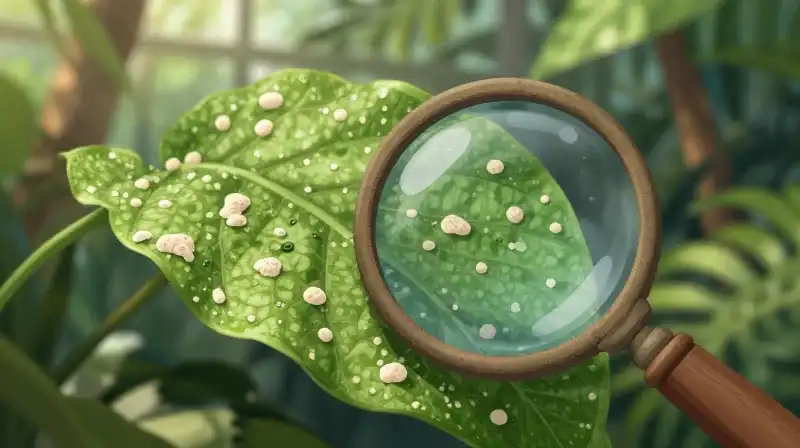 Maintaining a healthy environment is the most sustainable way to prevent white spots and other plant issues. Effective prevention focuses on air, light, and moisture management.
Optimizing Airflow and Humidity
Fungal and bacterial issues often thrive in stagnant, overly humid air. Improving circulation is vital:
- Air Circulation: Ensure good airflow around your plants. Strategic placement away from corners and proximity to vents can help dry foliage and deter pathogens.
- Humidity Management: If your home environment is very dry, increasing ambient humidity (e.g., using a pebble tray or humidifier) can benefit many indoor plants, though this must be balanced to avoid promoting fungal growth.
The Importance of Routine Inspection
Regular weekly inspections allow you to catch problems when they are still minor. Look for sticky residue, tiny clusters of white fuzz, or slight discoloration before the spots become large or the infection spreads. Keeping the plant’s leaves clean of dust also improves photosynthesis and reduces harborage for pests.
Summary of Actionable Steps
Diagnosing and treating white spots requires precision, not guesswork. First, observe the texture: is it powdery (fungus), fuzzy/sticky (pests), or chalky (minerals)? Second, identify the location: stems (pests), upper leaves (mildew), or all over (deficiency/scorch). Finally, apply the specific protocol—whether it’s targeted alcohol spray for mealybugs, or flushing the soil with distilled water for mineral buildup. By addressing the root cause—whether biological or environmental—you move beyond temporary fixes to ensure the long-term resilience of your indoor garden.
How to Identify and Treat White Spots on Indoor Plant Leaves
Observe and Identify the Symptom Texture
Examine the white spots closely to determine their texture. Note if they are powdery (suggestive of fungal infections like powdery mildew), sticky or fuzzy (common with pests like mealybugs), or chalky/gritty (indicative of mineral deposits or nutrient issues).
Pinpoint the Location of the Spots
Identify where the markings appear on the plant. Check if the spots are on stems and leaf joints (often pests), exclusively on the upper leaf surfaces (suggestive of mildew), or located on the outer margins (often sun scorch or environmental stress).
Determine the Root Cause
Based on the texture, location, and surrounding environmental conditions, categorize the issue as biological (pest/fungus/bacteria), mineral, or environmental (sun scorch, nutrient deficiency).
Apply Targeted Treatment for Pests
If the cause is pests like mealybugs or scale, use targeted treatments such as rubbing alcohol directly on the clusters, or apply insecticidal soap to dissolve waxy coatings.
Apply Targeted Treatment for Fungal and Bacterial Issues
For mild fungal or bacterial issues, use natural remedies like a Neem oil application or a baking soda solution to disrupt the growth of pathogens.
Mitigate Environmental Stress and Mineral Buildup
If the cause is environmental, flush the soil thoroughly with distilled or rainwater to remove excess minerals. To prevent sun scorch, gradually move the plant to an area with more filtered light.
Implement Long-Term Prevention
Ensure good airflow around the plant and manage humidity appropriately. Regularly inspect the leaves and keep them clean of dust to deter pests and improve plant health.
Related Articles