White Fuzzy Mold: Causes, Health Risks, and Effective Removal Guide

Introduction
Understanding White Fuzzy Mold: Causes and Growth- Adequate Moisture: Fungi need water to replicate and sustain themselves. High humidity, constant damp patches, and hidden leaks are prime conditions.
- Suitable Temperature: Most types thrive in moderate temperatures, which is why they often appear in attics or bathrooms where temperature fluctuations are common.
- Organic Food Source: The mold feeds on organic materials like drywall, wooden studs, insulation, wallpaper, and fabrics.
Where to Expect White Fuzzy Mold
Distinguishing White Fuzzy Mold from Other Household IssuesWhile both mold and mildew love damp areas, they are distinct phenomena:
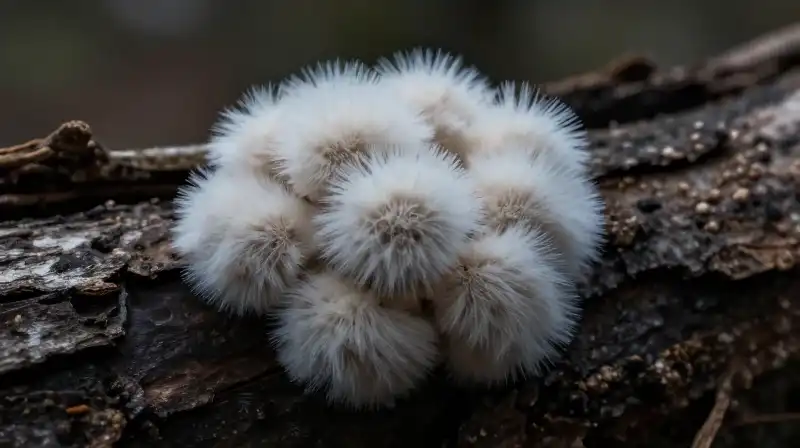
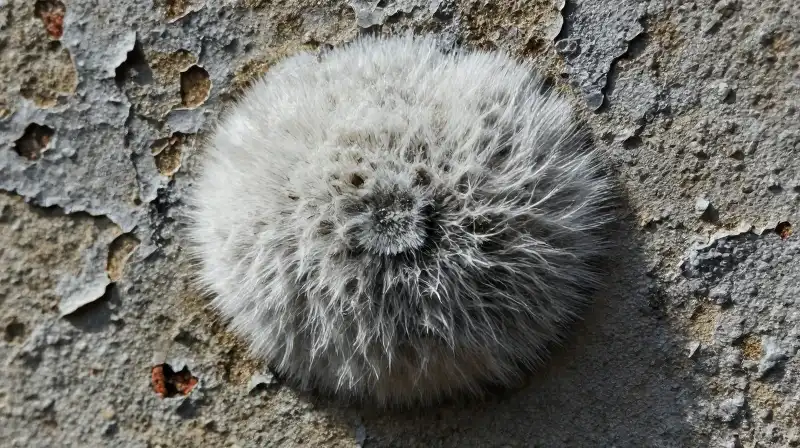
- Mold: Usually fuzzy, fibrous, and can be found growing on many surfaces. It is a biological organism.
- Mildew: Typically presents as a flat, powdery, or slick surface layer, frequently found on ceramic bathroom tiles or painted walls. While it is a type of mold, it usually doesn’t grow as deeply or fuzzily as true mold.
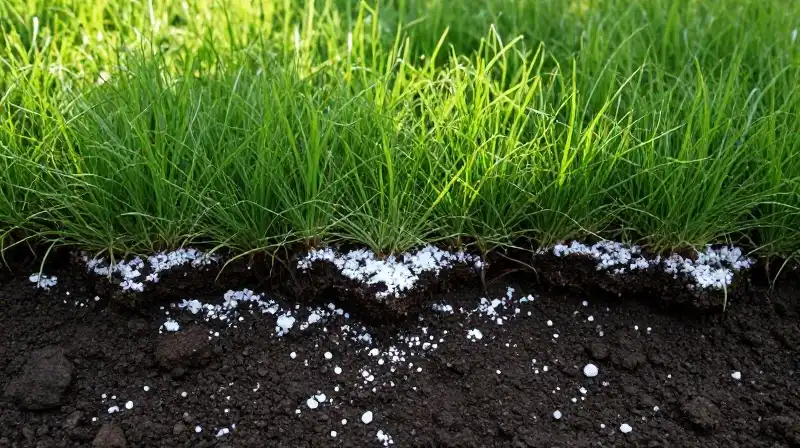
- Efflorescence: This is a non-fungal crystalline salt deposit. It occurs when water seeps through porous materials and evaporates, leaving behind mineral residue, appearing white but lacking a fuzzy texture.
Safety on Food and Plants
Health and Structural Risks Associated with Mold ExposureHealth Considerations: While white mold is generally considered less hazardous than some other species, long-term exposure to any type of mold—including white fuzzy mold—can trigger adverse reactions in sensitive individuals. Symptoms of exposure may include:
- Allergic reactions (sneezing, itchy eyes).
- Respiratory irritation or issues (cough, shortness of breath).
- Headaches and skin irritation.
It is important to note that the severity of health risks is often tied to your existing sensitivities or allergies, rather than the mold itself.
Structural Damage: The more significant long-term risk posed by white fuzzy mold is its ability to break down organic home materials. If white fuzzy mold is on “white fuzzy mold on wood” or drywall, it indicates the fungus is digesting the structure itself. Untreated, this decay can compromise the integrity of your home’s components, such as framing or insulation.
Action Plan: Removal and Prevention
 Evaluating the Damage: DIY vs. Professional Help Situation Recommendation Reason Small, localized patches (under 10 sq ft) on non-porous or readily washable surfaces. DIY Removal The scope is manageable, but protective gear is essential. Large infestation (over 10 sq ft), mold spread into structural components, or persistent growth. Professional Remediation Requires specialized equipment, precise identification of the source, and containment to prevent spore spread.
Safe DIY Methods for Small Infestations
- Safety First: Always wear protective gear, including gloves, goggles, and an N95 mask, as cleaning without protection can spread airborne spores.
- Moisture Control: Use a powerful fan and dehumidifier to dramatically lower humidity and begin drying the affected area.
- Surface Cleaning: For hardened spots, solutions like a commercial mold remover or water mixed with vinegar are effective for kills. Avoid spraying strong chemicals excessively on porous materials like drywall, as this can drive the moisture deeper.
- Ventilation: Increase airflow while and after cleaning.
Long-Term Prevention Strategies
- Dehumidification: Install or use high-capacity dehumidifiers to maintain indoor humidity below 50%.
- Fix Leaks Promptly: Regularly inspect windows, pipes, and walls for leaks and address any moisture entry point immediately.
- Improve Airflow: Ensure proper ventilation in bathrooms (using exhaust fans) and kitchens, and routinely check attic and crawl space airflow.
- Regular Cleaning: Clean surfaces often, focusing on preventing stagnant water accumulation in sinks or around baseboards.
Summary of Priorities and Practical Precautions
How to Safely Remove White Fuzzy Mold
Ensure Safety First
Always wear protective gear, including gloves, goggles, and an N95 mask, to prevent spreading airborne spores.
Control Moisture
Use a powerful fan and dehumidifier to dramatically lower humidity and begin drying the affected area.
Clean the Surfaces
For hardened spots, use solutions like a commercial mold remover or water mixed with vinegar. Avoid excessive spraying on porous materials like drywall to prevent driving moisture deeper.
Increase Ventilation
Increase airflow both during and after the cleaning process.
Related Articles