Washington Navel Orange: Flavor, Growing Zones, and History

Introduction
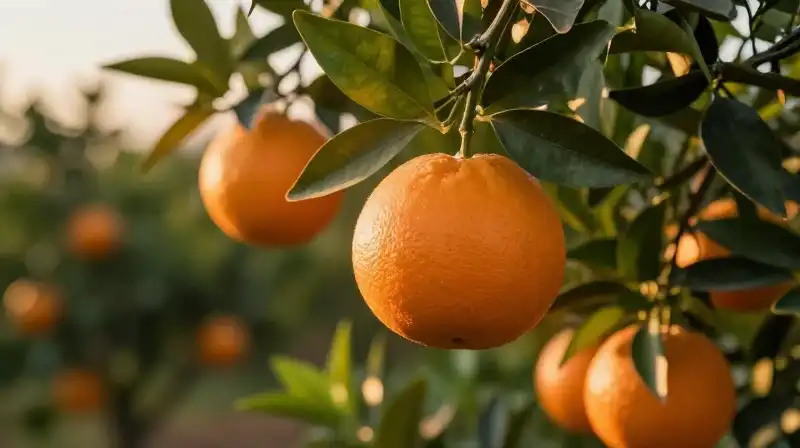
The Washington Navel Orange is a highly regarded and economically significant citrus variety, best known for its effortless peel, reliable quality, and distinctive flavor. This specific citrus, also referred to as the Bahia variety, is much more than a decorative fruit; its consistent performance has made it a foundational element of the Californian citrus industry. It is important to distinguish between the orange’s origin and its primary cultivated location. While the parent trees originate from Bahia, Brazil, this variety was extensively refined and commercially adopted in Washington State, eventually becoming synonymous with California’s agricultural heritage.
Characteristics and Quality of Washington Navel Oranges
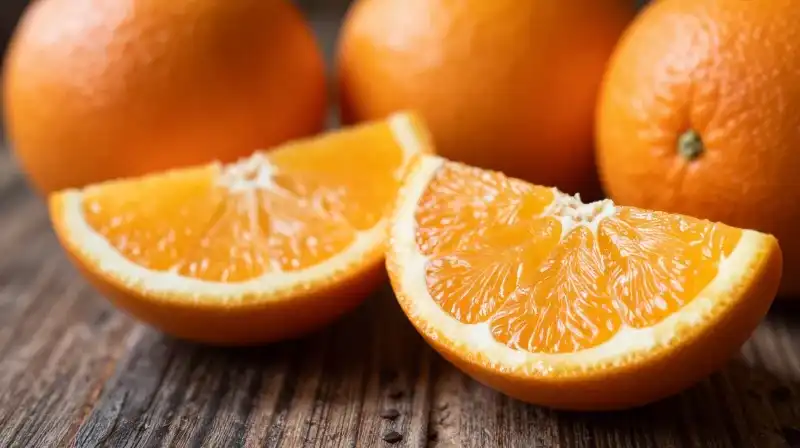 The primary appeal of the Washington Navel Orange lies in its sensory attributes, which set it apart from many standard sweet orange varieties. Unlike many citrus fruits, this variety is naturally seedless, provided the fruit contains three or fewer seeds. This trait, linked to a specific genetic mutation, is highly sought after by consumers. The flavor profile is consistently sweet, making this variety a reliable choice for both eating fresh and utilizing in recipes. Furthermore, the exterior of the fruit is designed to facilitate easy separation from the pulp, which is a significant practical advantage for the end user.
Genetic Traits and Polination
A unique aspect of this variety is its self-fertility. Washington Navel Oranges are typically self-pollinating, meaning they do not require a separate compatible tree nearby to produce viable fruit. This reliable characteristic makes the variety ideal for commercial growers and home cultivation, as the risk of crop failure due to poor pollination is minimal.
Cultivation Requirements and Hardiness
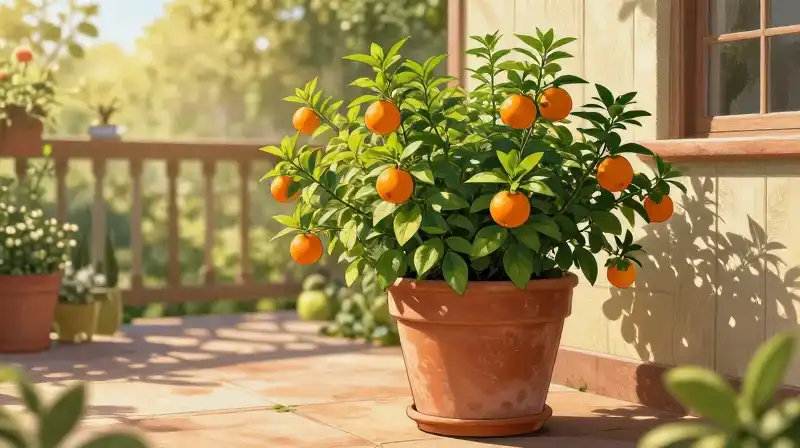
To successfully grow a Washington Navel Orange, understanding its climate needs is crucial. The variety thrives in a temperate climate with a distinct winter and summer, making regions like Southern California ideal. The optimal growing range for this orange is within USDA Hardiness Zones 8 to 11. These warmer zones provide the consistent warmth needed for the fruit’s maturation. For cooler climates (Zones 4–7), the orange tree can still be successfully managed, but this requires a structured approach:
- Growing the tree in a large container.
- Moving the potted tree indoors or into a protected greenhouse during the colder winter months.
In these cooler scenarios, the compact growth habit in containers is particularly beneficial.
Understanding Tree Size and Growth Rate
The growth rate of the Washington Navel Orange varies depending on the growing conditions:
| Growth Condition | Typical Height Range |
|---|---|
| In Ground (Mature Tree) | 10 to 15 feet |
| In Containers (Compact) | 6 to 8 feet |
| For initial purchase, growers often categorize trees based on size: |
- Primo: 24 to 36 inches in height.
- Premium: 36 to 48 inches in height.
When cultivating, the tree is typically established on semi-dwarf rootstock, which is a practical choice for efficient and manageable growth.
A Brief History of the Navel Orange
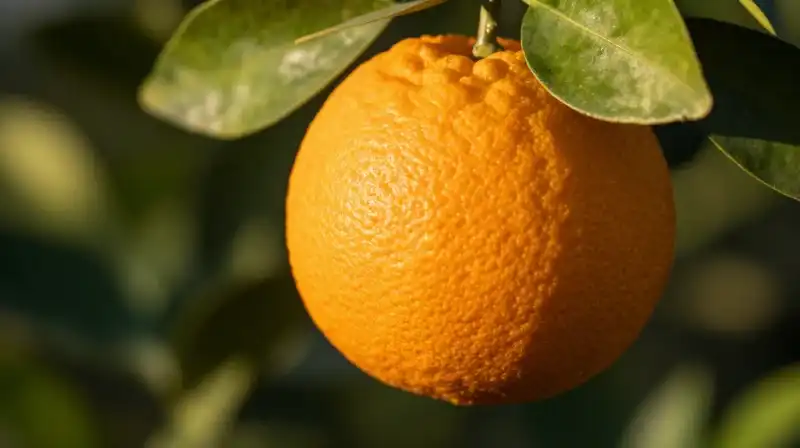 Though it originated in Bahia, Brazil, the Washington Navel Orange found its way to the United States through the U.S. Department of Agriculture in 1870. Its arrival in California was pivotal. Initial plantings began as early as 1873, utilizing a method where buds from the imported trees were grafted onto existing Californian sweet orange seedlings. The variety was named after a cutting that was sent to Washington, D.C., where it was observed. Over time, the fruit became integral to the agricultural landscape of Southern California. Because of its foundational role, the parent Washington Navel Orange Tree located in Riverside, California, holds historical significance as a landmark.
Practical Care and Protecting Your Investment
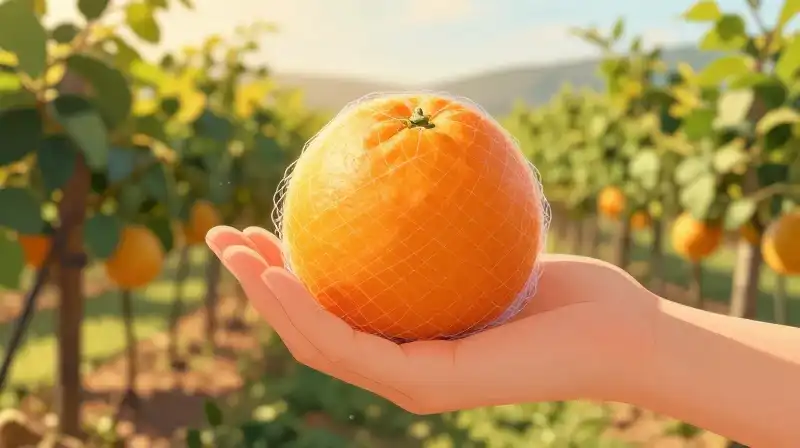 A common concern for home growers is the health of the tree. Maintaining a healthy Washington Navel Orange involves proactive protection, particularly against regional pests and diseases. The citrus industry must remain vigilant regarding diseases like Citrus Greening. Because these trees are a cornerstone of regional agriculture, implementing screening and monitoring for common threats is essential. Protecting the tree from excessive cold is also necessary, as temperatures dipping below 28°F can be highly detrimental.
Selection Summary and Growing Decisions
When deciding whether to plant or purchase a Washington Navel Orange, consider your climate and space limitations. For the optimal consumer experience—reliable sweetness, seedlessness, and easy peeling—this variety is superior. If you live in Zones 8-11 and have adequate space, planting a larger, in-ground tree allows for maximum height and yield. If space is limited or you reside in a cooler climate, choosing a “Primo” or “Premium” size tree for container growing is the most practical solution. Remember, successful long-term cultivation depends on consistent protection against cold spikes and diligent monitoring against citrus pathogens.
Frequently Asked Questions
Are Washington navel oranges sweet?
The flavor profile of the Washington Navel Orange is consistently sweet, making it a reliable choice for eating fresh and using in recipes.
Do Washington navel oranges self-pollinate?
Yes, Washington Navel Oranges are typically self-pollinating and possess self-fertility. This means they do not require a separate compatible tree nearby to produce viable fruit.
What state does the Washington navel orange come from?
While the variety was extensively refined and commercially adopted in Washington State, it eventually became synonymous with California’s agricultural heritage and was historically linked to the parent tree located in Riverside, California.
How to Cultivate Washington Navel Orange in Cooler Climates
Container Growth
Grow the Washington Navel Orange tree in a large container, utilizing its compact growth habit.
Winter Protection
Move the potted tree indoors or into a protected greenhouse during the colder winter months to protect it from frost.
Related Articles