Green Hydrangeas: The Ultimate Guide to Care and Floral Design

Introduction
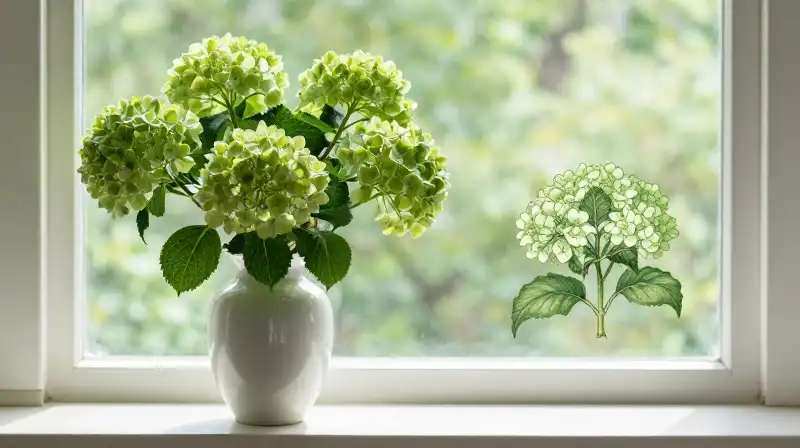
Green hydrangeas offer a sophisticated and tranquil alternative to traditional blue or pink blooms, making them a highly desirable choice in both event floral design and landscape architecture. Often sought after for their lush volume and large, dense clusters, these flowers bring a unique, earthy aesthetic to any arrangement. Functionally classified as a filler flower, the vibrant green hydrangea provides significant textural contrast and volume. If you are planning an event or seeking unique greenery for your garden, understanding the specific care requirements, growing conditions, and subtle nuances of these varieties is key to achieving a stunning, long-lasting display.
Understanding the Green Hue: Nature vs. Dye
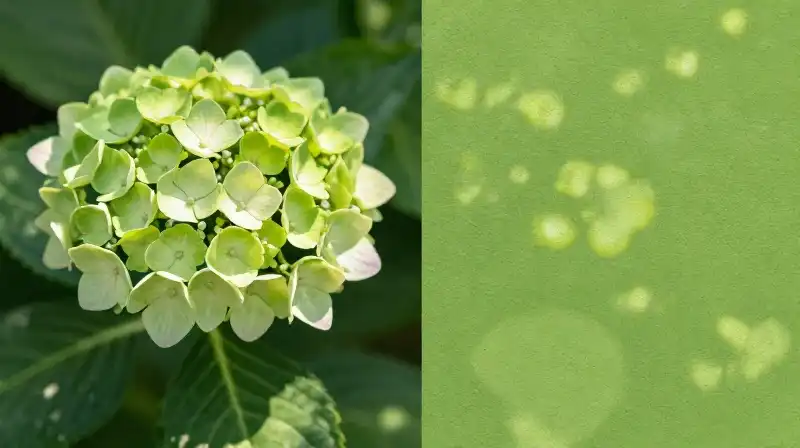
One of the most common questions regarding hydrangeas is whether they can naturally retain a green color. The answer is yes. Green hydrangeas are varieties where the color is inherent to the plant’s genetics and biology, rather than a result of artificial dyeing. The green color in these specific cultivars is a natural manifestation of chlorophyll production, similar to other foliage. This makes them a sustainable and organic choice for designers.
Cultivar Genetics and Appearance
Green hydrangeas vary greatly, offering everything from solid, rich emerald tones to subtle, bicoloration—a blend where the foliage maintains its deep green while the edges or tips of the flower heads acquire a faint tint. They are known for having large, voluminous flower clusters. Depending on the specific cultivar, they may be ideal as dense textural fillers or, due to their substantial size, as commanding focal points in tiered arrangements.
Floral Design Applications and Characteristics
The characteristics of the green hydrangea make it exceptionally versatile. These plants are robust and possess a strong stem structure, allowing them to hold up well in large, grand designs, such as ceremony arrangements. They are highly regarded for event decor, particularly in weddings and sophisticated baby showers.
When incorporating these blooms into a floral design, keep the following characteristics in mind:
- Bloom Size: Individual blooms typically measure approximately 3.1 inches (7.8 cm), while the expansive clusters can measure up to six inches in diameter.
- Stem Length: Stems are generally substantial, averaging about 24 inches (60 cm) in length, providing stability in large bouquets.
- Design Function: While they provide lush volume, their substantial structure means they can function effectively as main focal points, not just fillers.
- Availability: Green hydrangeas are reliably available for purchase throughout the entire year, ensuring consistent inventory for designers.
Optimizing Green Hydrangea Care and Longevity
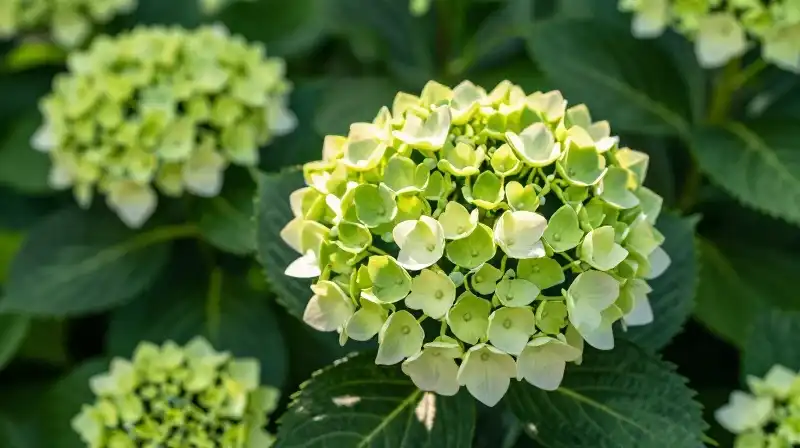
Proper handling is essential to maximizing the vase life of these moisture-loving plants, which typically lasts approximately eight days when cared for correctly. Because they are grown for ornamental purposes, specific care protocols must be followed, especially when using them in arrangements.
Vase and Water Maintenance
When preparing fresh blooms, always ensure a deep, angled cut to promote water uptake. As true water-lovers, it is strongly recommended that containers be filled more than half full. Consistent moisture is crucial to maintaining the vibrancy of the leaves and blooms.
Handling in Floral Foam
If you are utilizing green hydrangeas within floral foam for arrangements, the stems should be properly treated with a specialized floral preservative like Alum. This treatment helps stabilize the stems and enhances the overall health of the flowers once placed in the foam.
Environmental Requirements (Growing and Post-Harvest)
For long-term garden growth, green hydrangeas require specific conditions: partial shade, consistent moisture, and rich, well-draining soil. While adequate sunlight is necessary, placing them in direct, intense afternoon sun can scorch the delicate foliage. For events, plan for delivery two to three days prior to the scheduled event to allow the blooms to fully open and stabilize.
Choosing the Right Green Hydrangea Variety
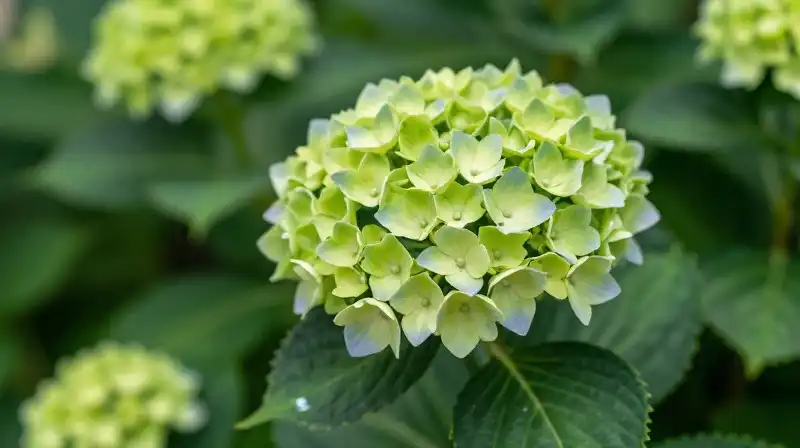
Not all green hydrangeas are created equal. When selecting your blooms for a project, consider the specific aesthetic and structural needs of your design. Several factors differentiate the varieties, such as their texture, bicoloration, and structural density.
A comparison of varieties helps define your choice:
| Feature | Solid Green Cultivars | Bicoloration Cultivars | Emerald Green Varieties |
|---|---|---|---|
| Color Profile | Uniform, deep, rich green. | A blend of green foliage and subtly tinted (often blue or white) flower heads. | Highly saturated, vibrant, and deep green. |
| Aesthetic Role | Creates a unified, serene, earthy backdrop. | Adds complexity and visual interest through color contrast. | Ideal for modern or intensely colorful arrangements. |
| Maintenance | Standard watering and pruning to maintain shape. | Requires careful attention to moisture levels to maintain color balance. | Requires consistent watering and protection from harsh midday sun. |
If your goal is a subtle, sophisticated look that maintains a tranquil appearance, solid green varieties are best. If you want more dramatic depth, explore bicoloration options that contrast the natural green with another hue.
Practical Logistics for Event Use
Selecting and sourcing green hydrangeas for large-scale events requires a practical understanding of their supply chain and handling needs. Since these plants are often sustainably cultivated in regions like Colombia and Ecuador, professional sourcing is recommended to ensure quality.
To ensure the best outcome for your event, observe these logistics:
- Sourcing: Prioritize reputable suppliers who specialize in ornamental horticulture.
- Delivery Timing: Aim for delivery two to three days before the event to allow for optimal hydration and development.
- Handling: Handle blooms gently; avoid excessive squeezing or rough movement, as the water uptake mechanisms can be compromised.
- Purpose: Remember that hydrangeas are specifically cultivated for ornamental use and are not intended for consumption.
Synthesis: Prioritizing Success and Care
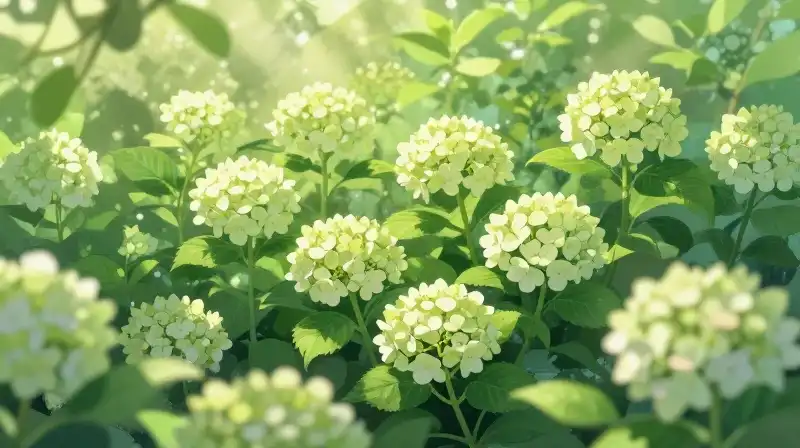
Green hydrangeas provide a substantial, elegant structure to any floral design, bringing a tranquil and earthy sophistication that distinguishes them from standard flower palettes. To successfully incorporate these plants, the most critical factor is understanding their biological needs. Do not mistake the green color for artificial dye—it is a natural product of the cultivar’s genetics. Ensure you are utilizing a deep, angled cut and maintaining a high water level. By matching the specific variety (solid green, bicolored, or emerald) to the desired aesthetic and managing care parameters—like providing partial shade in the garden and specific post-harvest hydration for events—you can ensure these robust fillers deliver maximum volume, lasting beauty, and unparalleled sophistication in your arrangements.
Explore more: The Three Horns of Odin: Mythological Origins and Historical
Frequently Asked Questions
Are there hydrangeas that stay green?
Yes, green hydrangeas are varieties where the color is inherent to the plants genetics and biology, rather than a result of artificial dyeing. This natural green color is a manifestation of chlorophyll production in these specific cultivars.
How to Optimize Green Hydrangea Care and Use
Source Reputable Blooms
Prioritize suppliers specializing in ornamental horticulture to ensure quality and availability for your specific needs.
Coordinate Delivery Timing
Plan for delivery two to three days prior to the event to allow the blooms to fully open and stabilize for optimal presentation.
Prepare Fresh Water Uptake
When preparing the blooms, always ensure a deep, angled cut to promote maximum water uptake. As they are water-lovers, fill containers more than half full with consistent moisture.
Treat Stems for Floral Foam
If utilizing green hydrangeas within floral foam, properly treat the stems with a specialized floral preservative, such as Alum, to enhance stability and health.
Maintain Environmental Conditions
For garden longevity, provide partial shade and rich, well-draining soil. For events, handle the blooms gently to avoid damaging their water uptake mechanisms.
Related Articles