Yellow Bird of Paradise: Cultivation, Blooms, and Toxicity

Introduction
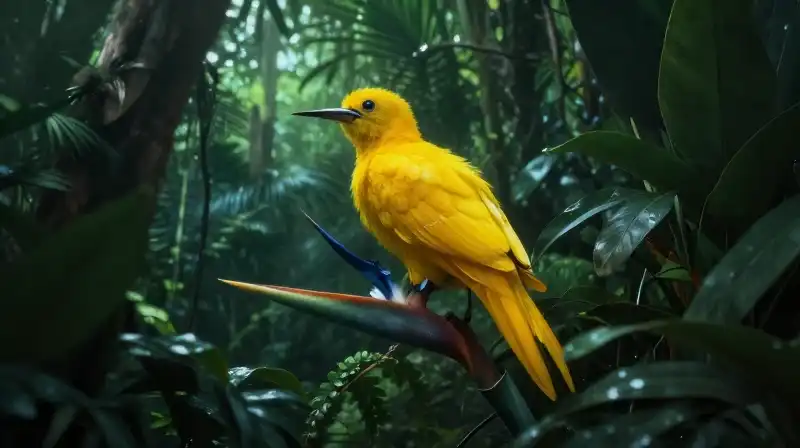
The Yellow Bird of Paradise (Caesalpinia gilliesii) is a striking and durable shrub known for its vibrant, yellow floral displays and iconic red stamens. Native to Argentina and Uruguay, it has become a popular landscape choice for its vigorous growth and resilience. If you are looking for a fast-growing, long-lived shrub that can handle varied environmental stresses, this species offers significant appeal. However, while it is celebrated for its beauty and hardiness, understanding its specific maintenance requirements and potential health concerns is crucial for successful cultivation.
Optimal growing conditions and climate resilience
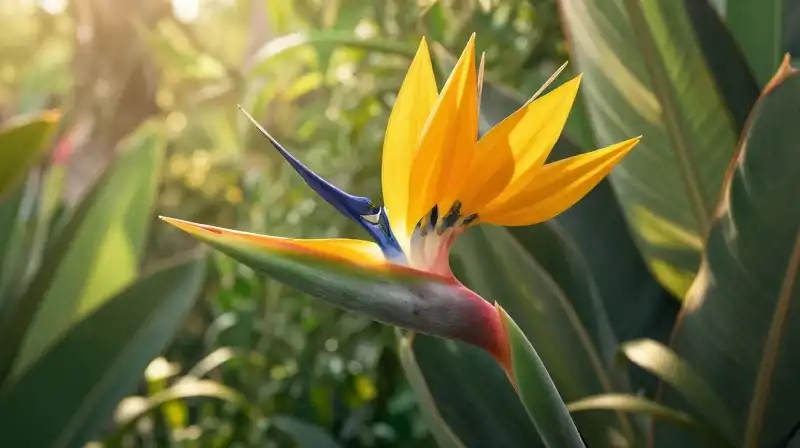
The Yellow Bird of Paradise thrives under specific environmental conditions that allow it to reach its full potential. It requires a full commitment to sunlight, as it performs best when exposed to at least six hours of direct sun daily. Its native hardiness translates into a high degree of tolerance, making it suitable for areas experiencing temperature fluctuations, as it is both heat-tolerant and quite resistant to cold, provided it is grown in a region where it can survive seasonal chilling.
Crucially, this species demonstrates strong drought tolerance. While it will perform best with consistent moisture during its active growing phase, it is capable of withstanding periods of dry conditions that may stress less resilient ornamental shrubs. When planting, ensuring the soil drains well is paramount to prevent root rot, even though the plant is durable.
Cultivation and shaping the shrub
Naturally, the Yellow Bird of Paradise maintains an irregular and open growth habit, allowing it to spread organically up to a height of 10 feet and a width of 8 feet. To achieve a dense, formal, or maintained form suitable for structured gardens, intentional pruning is necessary. Since the plant is remarkably vigorous and long-lived, pruning is not merely a maintenance task, but a requirement for controlling its size and shape.
The timing and technique of pruning should be regular to keep the shrub from becoming overgrown and to maintain the desired density. Removing older, interior wood can encourage new, bushier growth, making the plant easier to manage and giving the appearance of a more compact shrub than its natural, sprawling form might suggest.
Understanding the bloom cycle
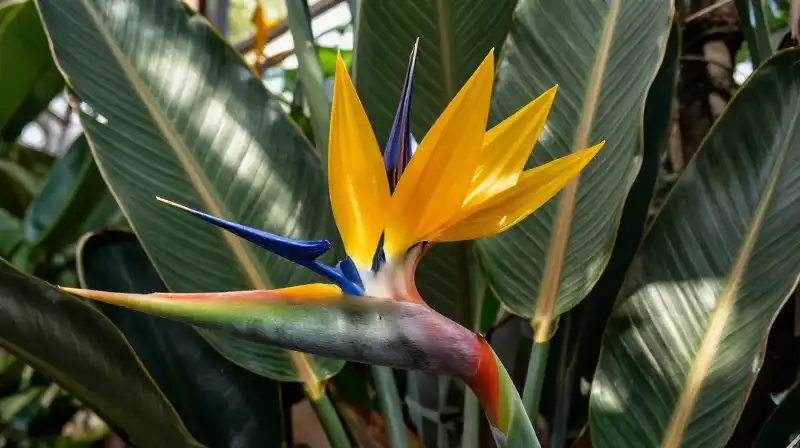
One of the most appealing traits of the Yellow Bird of Paradise is its spectacular flowering. It produces clusters of bright yellow blossoms that feature prominent, contrasting red stamens. In terms of timing, the blooms typically occur during the summer months. However, its reputation for being virtually problem-free is often tied to the fact that the flowering period can be quite extended, providing a sustained visual reward throughout the warmer seasons rather than a brief flush of flowers.
Because it is a durable perennial, it can be expected to provide repeat blooming year after year, provided the foundational care—full sun exposure and appropriate drainage—is maintained.
Toxicity and safety for pets and people
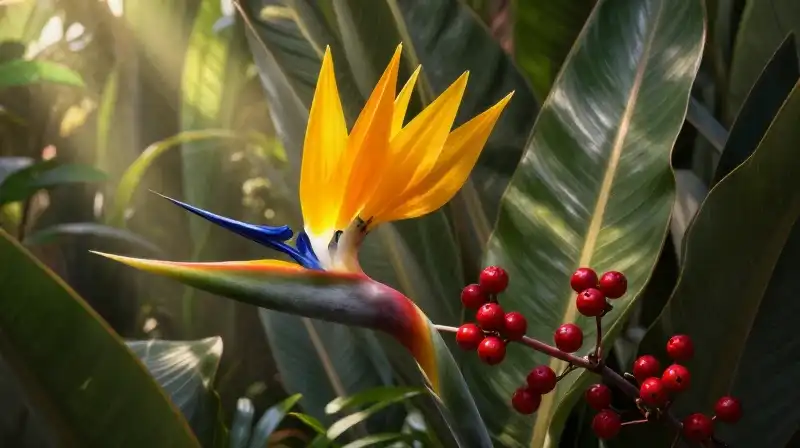
The health and safety of the Yellow Bird of Paradise must be approached with caution. All parts of the plant—the leaves, flowers, and stems—are toxic and can cause adverse effects if ingested. This toxicity is particularly relevant for households with small children or pets.
Concerns regarding dogs and feline safety
If your dog or other pets chew on or ingest parts of the shrub, there is a risk of poisoning. Because the Yellow Bird of Paradise is a shrub often planted in the landscape, it is important to keep pets from consuming the foliage. If ingestion occurs, it is advisable to seek professional veterinary advice immediately.
Safety Guidelines:
- Maintain a safe distance, especially during foraging or high-stress behaviors.
- Consider planting it in areas where pets do not have constant, unrestricted access.
- If you observe any signs of distress in a pet after contact with the plant, contact a veterinarian immediately.
Practical synthesis for successful ownership
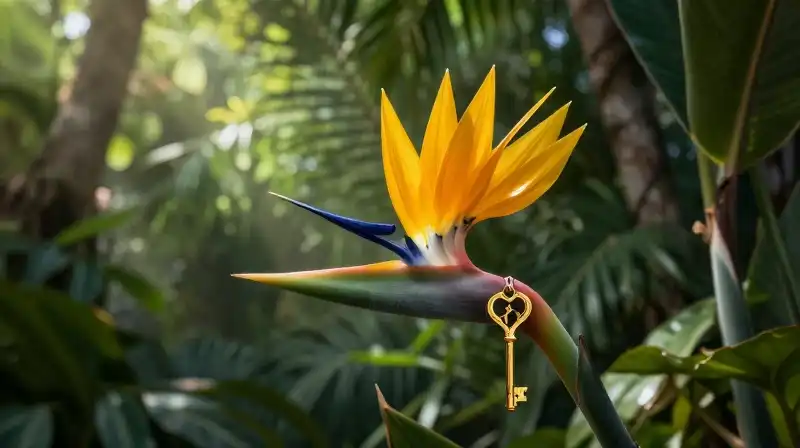
For a Yellow Bird of Paradise to transition from a vibrant ornamental to a thriving landscape feature, the primary factors are consistent sun and deliberate management.
To make an informed decision about adding this plant to your garden, consider these key points:
- Commitment to Sun: Ensure the site receives full, uninterrupted sunlight, as the plant lacks the energy to thrive in partial shade.
- Form vs. Function: Accept that an open, irregular form is the plant’s natural state. If you desire a manicured look, incorporate regular pruning into your maintenance routine.
- Pet Awareness: If the plant will be within reach of pets, be aware of its toxicity and take steps to secure the foliage.
- Resilience Check: Recognize that while it handles poor soil and drought well, its long-term health depends on these specific hardy traits being leveraged within your local climate conditions.
By balancing the plant’s robust, resilient nature with careful management of its growth habit and environmental needs, the Yellow Bird of Paradise can provide a long-lasting and stunning display of color.
Frequently Asked Questions
Is yellow bird of paradise toxic to dogs?
The Yellow Bird of Paradise is toxic, and if a dog or other pet chews on or ingests parts of the shrub, there is a risk of poisoning. If ingestion occurs, it is advisable to seek professional veterinary advice immediately.
How often does a yellow bird of paradise bloom?
The Yellow Bird of Paradise typically blooms during the summer and features an extended flowering period, providing a sustained visual reward throughout the warmer seasons. Because it is a durable perennial, it can be expected to provide repeat blooming year after year, provided its foundational care is maintained.
Is there a yellow bird of paradise?
The Yellow Bird of Paradise (Caesalpinia gilliesii) is a striking and durable shrub known for its vibrant, yellow floral displays. It is native to Argentina and Uruguay and is suitable as a popular landscape choice for its vigorous growth.
How to Successfully Grow and Maintain the Yellow Bird of Paradise
Ensure Optimal Sunlight
Commit to providing full, uninterrupted sunlight, as the plant requires at least six hours of direct sun daily to thrive.
Prepare the Soil
When planting, ensure the soil drains exceptionally well to prevent root rot.
Prune for Shape
If you desire a dense or formal structure, use regular pruning to control the plant's vigorous growth and remove older, interior wood.
Manage Watering
Provide consistent moisture during the active growing phase while leveraging its natural drought tolerance to withstand periods of dry conditions.
Monitor Safety
Be acutely aware of the plant's toxicity, keeping it out of reach of children and pets, especially if ingestion occurs, seek veterinary advice immediately.
Related Articles