American Plum: A Versatile Plant for Gardens and Food

Introduction
The American Plum (Prunus americana), also known as Wild Plum, is a versatile North American native plant that bridges the gap between ornamental beauty and practical utility. Far from being a simple decorative shrub, it is a resilient, multi-functional species valued for its striking white springtime blossoms, its diverse fruit, and its significant ecological contributions. Whether you are looking to enhance a residential garden, stabilize a roadside embankment, or source unique fruit, the American Plum offers a robust solution. This article provides a detailed guide to understanding its horticultural requirements, utilizing its culinary and ecological benefits, and navigating the complexities of growing it from seed.
Horticultural Profile: Growth and Varieties
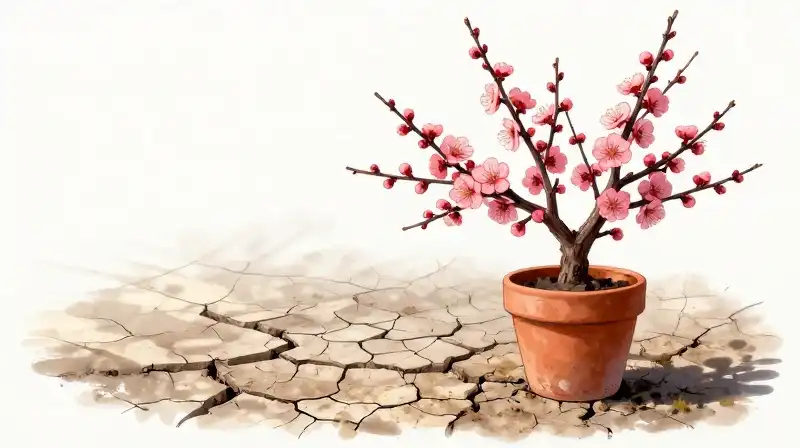
As a shrub or small tree, the American Plum demonstrates considerable adaptability to various environments, though it generally requires a full sun exposure to maximize bloom and fruit production. It can grow to heights of up to 15 feet, making it an excellent candidate for dense planting or as a structural element in a landscape.
Adaptability and Landscape Use
The plant’s natural hardiness makes it suitable for a wide range of sites, including residential backyards, highway medians, and riparian (riverside) zones. Over 200 established varieties exist, meaning cultivators can select types that best suit their specific microclimate or desired fruit characteristics. The attractiveness of its delicate white blossoms during the spring is a primary draw for ornamental gardeners, signaling a vibrant start to the growing season.
Versatile Uses: Culinary and Ecological Value
The true strength of the American Plum lies in its dual function: it contributes to the ecosystem while providing high-utility materials. Ecologically, the plant is a powerhouse for land management.
Ecosystem Stabilization and Attracting Wildlife
For land stewards, the American Plum is prized for its root system. This structure is highly effective at stabilizing stream banks and preventing soil erosion in gullies, making it an ideal choice for slopes and disturbed ground. Furthermore, the plentiful, delicious fruit naturally attracts native birds and a variety of wildlife, supporting local biodiversity.
Agricultural and Culinary Applications
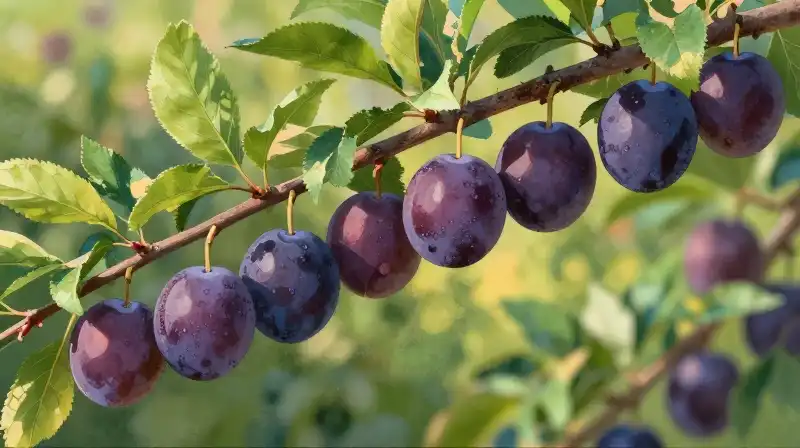
The fruit of the American Plum is highly adaptable, offering flavors that range from sweet to pleasantly sour. Its abundance and diversity make it valuable for several purposes:
- Culinary Processing: Excellent for making traditional jams, jellies, preserves, and artisanal wines.
- Fresh Consumption: Depending on the variety and ripeness, the fruit can be eaten fresh.
- Grafting Stock: It is recognized as excellent stock for grafting other domestic plum species, facilitating the production of improved cultivars.
- Windbreaks: Its dense growth pattern allows it to function effectively as a natural windbreak in agricultural settings.
Growing American Plum: Cultivation and Seed Handling
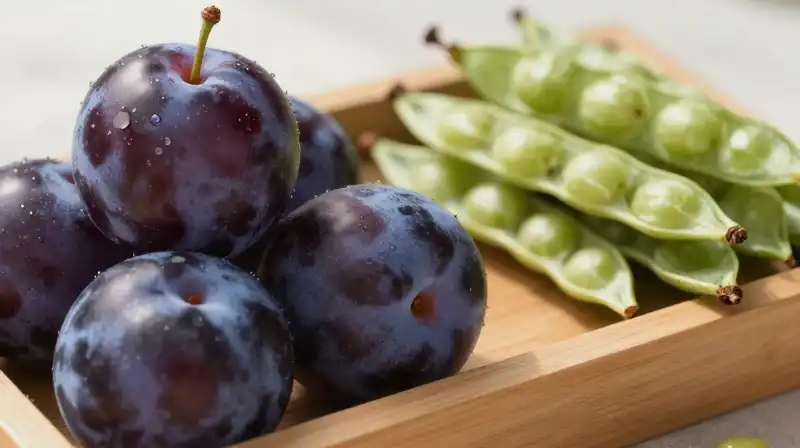
For those interested in starting plants from scratch, utilizing plum seeds is a rewarding process. Success depends on understanding the specific needs of the seed and the early plant.
Optimal Planting Conditions
American Plum is quite vigorous, but initial germination is the critical phase. Plant the seeds in moist, warm starting soil. The seedling benefits greatly from an environment that encourages consistent humidity, which is achieved by covering the pot with plastic wrap secured with a rubber band. Maintaining a warm spot accelerates the process, mimicking the natural conditions necessary for germination.
Managing Seed Toxicity and Handling
It is essential to address common concerns regarding plum seeds cyanide. Like many stone fruits, plum seeds contain cyanogenic compounds. While these compounds are present, they require specific biological processes to become toxic. The fruit itself is generally safe and edible, and if the seeds are thoroughly processed (boiled or baked) or planted, the risk is managed. If you are planning to consume the seeds, they should be completely avoided.
When attempting to crack open a plum seed, soak it in warm water first to soften the outer shell, which significantly aids the germination process.
Addressing Common Planting Doubts
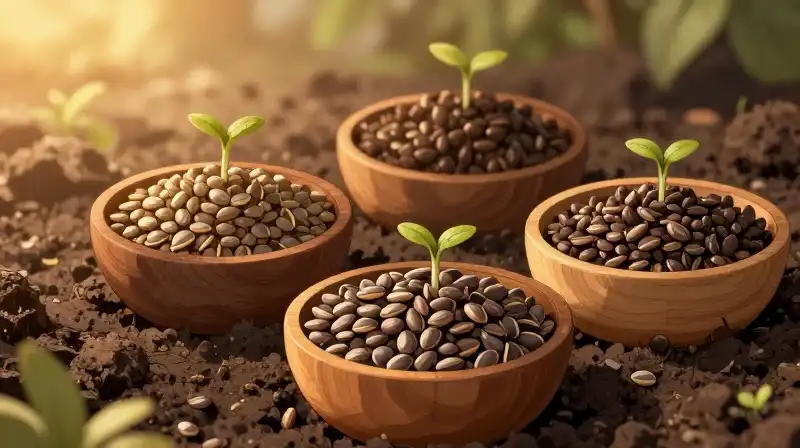
Several questions frequently arise when dealing with plum seeds for planting. Addressing these nuances ensures a better chance of successful growth.
- What is the fastest way to germinate plum seeds? The fastest route involves maintaining high, consistent heat (ideally warm soil) and high humidity during the initial sprouting phase, typically achieved through covering the container.
- Plum seeds benefits: The primary benefits extend beyond garden aesthetics; they represent the potential for a resilient, self-sustaining plant that contributes to soil health, local fauna, and edible harvests.
- Plum seeds bulk vs. for sale: When acquiring plum seeds for sale, consider sourcing varieties from reputable growers to ensure quality. Purchasing plum seeds bulk is a suitable option for large-scale ecological restoration or intensive home propagation, but verify the viability of the batch.
Selecting the Right American Plum for Your Needs
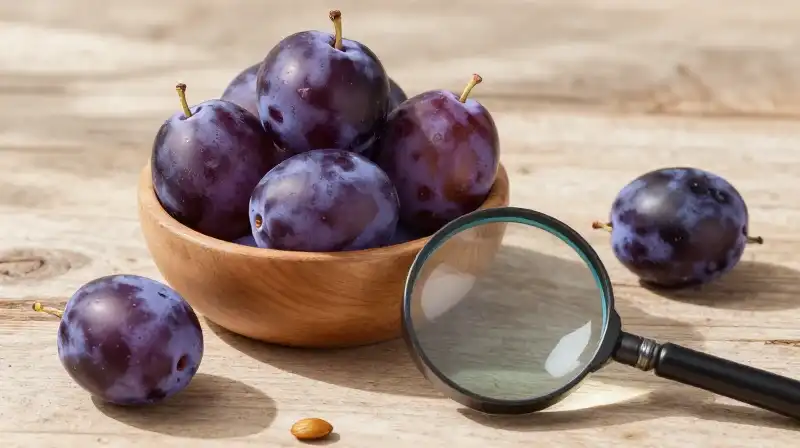
Choosing the appropriate variety depends entirely on the intended use of the plant. To make a decision, evaluate your primary objective:
| Goal | Ideal Characteristic | Consideration |
|---|---|---|
| Ornamental Focus | Vibrant, large white blossoms | Prioritize varieties known for strong spring bloom. |
| Erosion Control | Dense, robust root structure | Select varieties suitable for steep slopes or riparian zones. |
| Culinary Use | Sweet or balanced tart flavor | Research specific cultivar taste profiles before purchase. |
| Low Maintenance | Natural hardiness and drought tolerance | Utilize the plant’s native adaptability in landscaping. |
Decision Synthesis: Cultivation and Practical Warnings
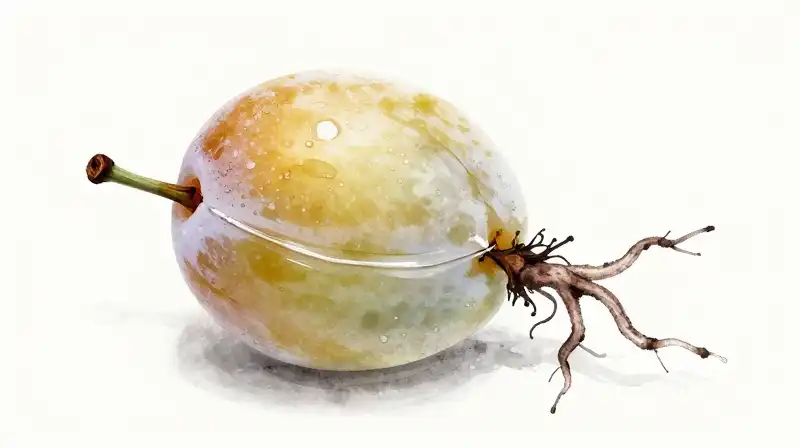
The American Plum is a highly effective, adaptable, and beneficial species. To maximize its utility, consider it not just a plant, but a living ecological and culinary resource. When choosing to grow plum seeds, focus on providing the right balance of warmth and moisture for germination. For those planting in large areas, remember its dual role in stabilizing soil and enhancing local biodiversity. Always handle the seeds with caution, recognizing the potential for cyanogenic compounds in the husks. If your intent is land restoration, select varieties proven to excel in erosion control; if your intent is gastronomy, prioritize varieties with known flavor profiles that match your recipes.
How to Grow American Plum from Seed
Soften the Seed Shell
Soak the plum seeds in warm water to soften the outer shell, which significantly aids the germination process.
Plant Seeds in Soil
Plant the seeds in moist, warm starting soil, ensuring the environment encourages consistent humidity.
Maintain Humidity
Achieve a high-humidity environment by covering the planting container with plastic wrap secured with a rubber band.
Ensure Consistent Warmth
Maintain a warm spot, as this accelerates the germination process and mimics natural conditions.
Related Articles