Successful Bajan Cherry Tree Cultivation: Sun, Soil, and Pruning Guide

Introduction
Successfully cultivating a Bajan cherry tree (also known as *Malpighia emarginata*) requires recognizing its specific tropical needs and commitment to precise soil and light conditions. Because this evergreen shrub or small tree is prized for its exceptional Vitamin C content and tangy-sweet flavor, it demands an environment where it can maximize its growth and fruit production. If you are looking to grow this ornamental or productive plant in your landscape, understanding its preference for intense sunlight and strictly well-draining soil is the critical first step.
Ideal Growing Conditions for Tropical Success
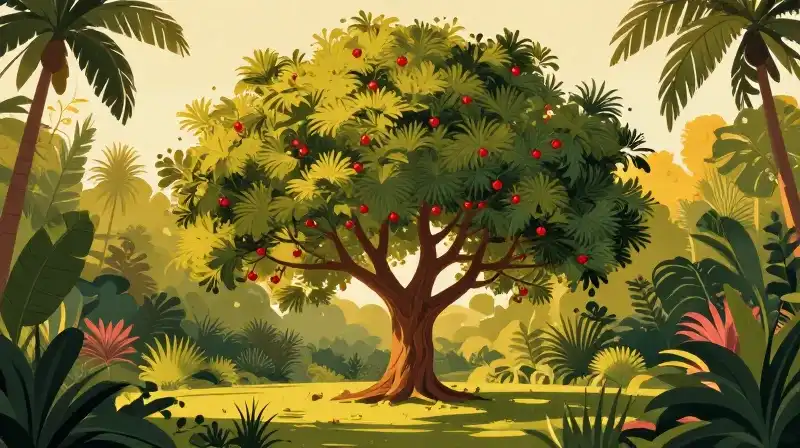
The Bajan cherry tree is a highly specialized tropical plant, and its success hinges on two primary environmental factors: sunlight and drainage. These are the non-negotiable elements for preventing stress and ensuring robust fruit.
Sunlight and Temperature Requirements
This variety thrives exclusively in locations that receive full sun. Specifically, the plant needs a daily dose of between six and eight hours of intense sunlight to maintain its health and vitality. The tree is well-suited for USDA hardiness zones 9B through 11, indicating a preference for consistently warm, tropical climates. Malpighia emarginata is a fast-growing variety that can reach a mature height of 12 to 15 feet, provided it is given the necessary space to spread.
Soil Structure and Drainage Protocols
One of the most frequent errors in Bajan cherry cultivation is improper soil management, as the plant cannot tolerate moisture retention. The shrub requires exclusively well-draining soil. For those planting in containers, proper drainage is mandatory. A practical technique involves placing a layer of gravel at the base of the pot before adding potting mix, ensuring excess water can escape freely. When planting in the ground, digging a hole twice as wide as the root ball and filling it to the appropriate depth is recommended to facilitate healthy root establishment.
Planting and Growth Dynamics
Understanding the growth rate and initial placement of the Bajan cherry tree is key to its long-term development.
Initial Planting and Establishment
After initial planting, the early stages of care are vital. Frequent watering is necessary to help the shrub establish its root system quickly. However, this intense watering schedule should be gradually reduced as the plant becomes more resilient and “hardens” into its environment. Once established, the Bajan cherry tree requires less frequent care, often sustaining itself primarily through rainfall, supplemented only by small amounts of water every ten days. However, during periods of intense heat or in heavy clay soils, consistent monitoring of soil moisture is necessary to prevent dehydration.
Advanced Care: Water, Fertilization, and Pruning
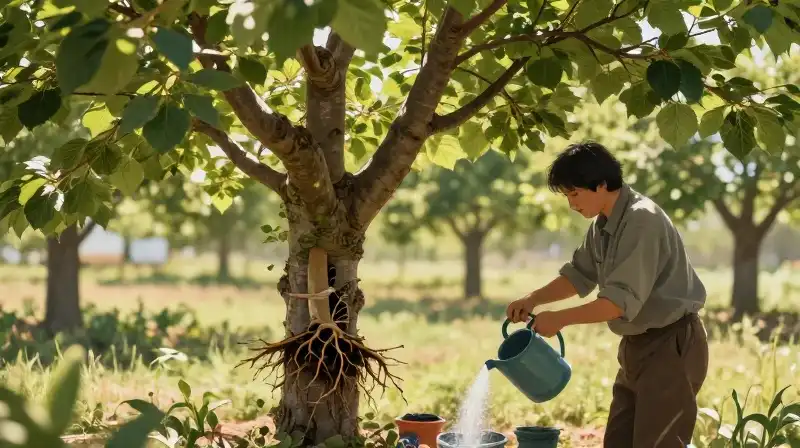
Maintaining the desired shape, ensuring nutrient uptake, and protecting the plant from disease require specific, ongoing maintenance routines.
Precision Watering Techniques
When providing supplemental water to established shrubs, the method matters. Using a slow-trickling hose applied briefly directly at the base of the plant is the most effective approach. This method prevents water runoff and ensures the moisture reaches the root zone without causing erosion or waterlogging elsewhere. Even mature plants benefit from these targeted, slow applications during dry spells.
Nutrient Management and Feeding Schedule
Fertilization should not begin immediately upon planting; it should wait until visible growth appears on the shrub in the spring. For potted Bajan cherry trees, a beneficial biennial feeding regimen using a gradual release mineral fertilizer is highly effective. By using a controlled-release fertilizer, you ensure a steady, consistent nutrient supply throughout the growing season.
Strategic Pruning for Shape and Health
Pruning dictates the size and eventual harvesting efficiency of the Bajan cherry tree. To define the desired shape and maintain a manageable size, pruning must be performed in the late fall, following the end of the harvesting season. This timing allows the plant to compartmentalize its structure before the winter dormant period. Conversely, the removal of damaged, diseased, or dead branches—known as sanitation pruning—can and should be conducted at any time throughout the growing season to improve overall health. Crucially, all cutting tools must be thoroughly sterilized before use to prevent the transmission of fungal diseases.
Addressing Common Cultivation Questions
The following sections address common queries regarding the Bajan cherry tree for sale and its specific characteristics.
What is the Bajan Cherry tree size?
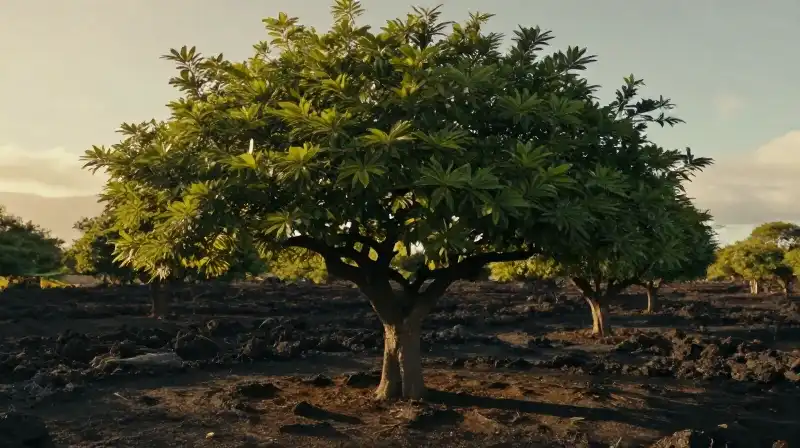
As an evergreen shrub or small tree, it typically matures up to 12 to 15 feet in height. Its spread can be similar, depending on the variety and environmental conditions. It is often cultivated in containers due to its adaptability to smaller spaces.
What is the Bajan cherry tree growth rate?
Bajan cherries are generally classified as fast-growing tropical plants, which allows them to reach their mature size within a few growing seasons.
What are the characteristics of Bajan cherry fruit?
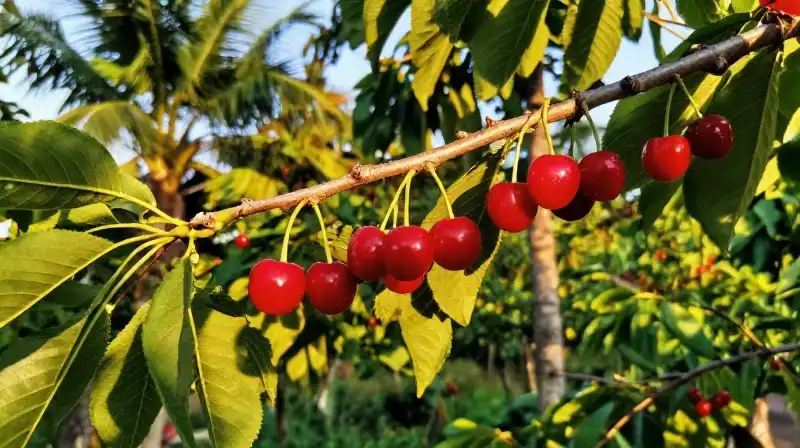
The fruit is distinctive: approximately one inch in size and bright red. Its flavor is tangy and sweet-tart, and it is prized for having exceptionally high Vitamin C content, notably higher than oranges.
Selection and Sustainability of Bajan Cherry Cultivation
When deciding whether the Bajan cherry tree is suitable for your climate or container, consider these high-value decision criteria:
- Light Intensity: Does your location consistently provide 6-8 hours of full, direct sun? Bajan cherries perform poorly in partial shade.
- Drainage Capacity: Is your soil structure inherently well-draining? If not, you must use raised beds or ensure containers have perfect drainage systems.
- Climate Suitability: Do you reside in USDA hardiness zones 9B or higher? Attempting to grow the tree in cooler climates without intensive, year-round indoor care risks failure.
The Bajan cherry tree offers a beneficial tropical ornamental presence while providing a highly nutritious, flavorful crop. Its cultivation is a rewarding process, provided the plant’s demanding requirements for sun, drainage, and specific watering methods are meticulously observed.
Cultivating a Bajan Cherry Tree
Check Growing Requirements
Ensure the location receives between six and eight hours of full, intense sunlight, and verify that the climate is within the suitable USDA hardiness zones (9B through 11).
Prepare Planting Site and Soil
For ground planting, dig a hole twice as wide as the root ball. For containers, ensure the soil is well-draining by placing a layer of gravel at the base of the pot to facilitate excess water escape.
Initial Planting and Establishment
Plant the Bajan cherry tree and provide frequent watering initially to help the shrub establish its root system quickly.
Maintain Watering Schedule
Once established, gradually reduce the watering schedule. The tree should sustain itself primarily through rainfall, supplemented by small amounts of water every ten days, or use a slow-trickling hose during dry spells.
Fertilization
Begin fertilizing only after visible growth appears on the shrub in the spring, using a gradual release mineral fertilizer for potted trees to ensure a steady nutrient supply.
Sanitation Pruning
Remove any damaged, diseased, or dead branches at any time throughout the growing season, ensuring all cutting tools are thoroughly sterilized before use.
Strategic Pruning for Shape
To define the desired shape and maintain a manageable size, perform strategic pruning in the late fall, following the end of the harvesting season.
Related Articles