Thyme Care: Guide to Growing, Drainage, and Companion Plants

Introduction
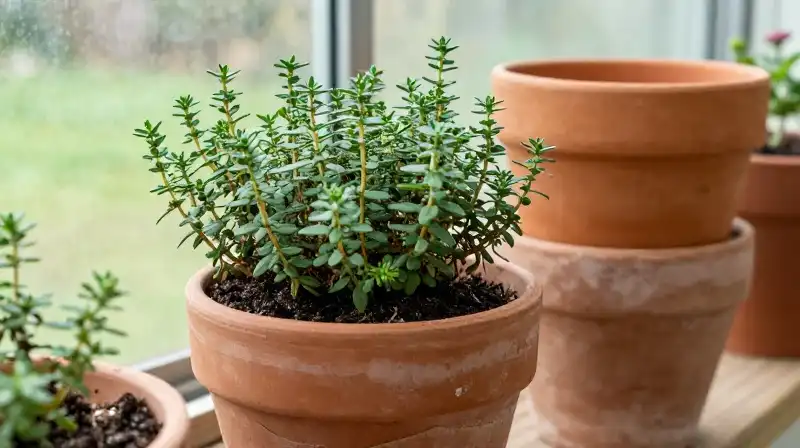
Thyme, celebrated for its delicate, highly aromatic foliage, serves as a versatile cornerstone in sophisticated savory cooking, featured in blends like Bouquet Garni and Herbes de Provence. Unlike robust, broad-leaf herbs, thyme typically presents a low, compact profile with thin, wiry stems and minute leaves. While its classification as a cold-hardiness-driven “winter thyme” suggests broad resilience, achieving a successful and healthy yield depends heavily on meticulous attention to its environmental requirements, particularly drainage and spatial management. This guide provides a practical framework for ensuring your thyme thrives, whether cultivated in garden beds or containers, optimizing both its growth and its culinary potential.
Soil and Drainage Requirements for Thyme Success
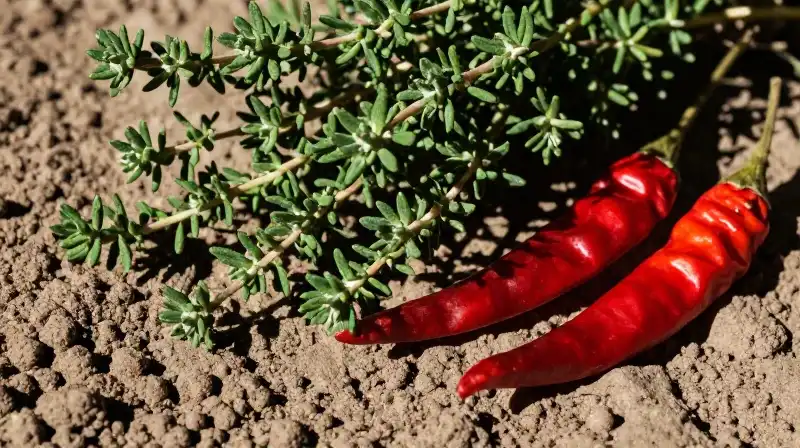
The singular most important factor in thyme cultivation is not its watering schedule, but the quality of its soil and the assurance of flawless drainage. Thyme is highly sensitive to moisture retention, which can quickly lead to root rot. Therefore, the foundation of a thriving thyme patch must be an extremely well-draining substrate that allows excess water to pass through freely.
If planting in containers, selecting porous, mineral-based potting mixes is essential. For garden beds, incorporate grit, coarse sand, or perlite into the existing soil structure. Excellent drainage is further supported by ensuring that the soil is slightly elevated, preventing water pooling around the crown of the plant. Good air circulation throughout the root zone is equally critical, preventing fungal diseases that thrive in damp, stagnant conditions.
Cultivation Habits: Space, Light, and Growth
Thyme naturally maintains a low-growing habit, which is advantageous for container gardening due to its compact nature. However, its slender, wiry stems and dense growth pattern mean that it requires specific management regarding spacing and light exposure to reach its full aromatic potential.
- Sunlight: Thyme prefers full sun, requiring at least six to eight hours of direct sunlight per day. Insufficient light can lead to leggy growth and diminish the intensity of its characteristic scent.
- Spacing: Despite its small leaves, overcrowding is a significant impediment to growth. Thyme requires sufficient airflow between stems. Plan to give each plant ample room; crowding not only restricts vital airflow, fostering pests and diseases, but also causes neighboring plants to compete for limited resources.
- Habit Management: As the plant matures, maintain its low profile by selective pruning. This encourages bushy growth and continuous production of harvestable leaves rather than allowing the stems to become overly woody.
Climate Considerations and Seasonal Limits
While “winter thyme” is often referenced due to its general cold-hardiness across varied climates, its long-term status as an evergreen is highly dependent on regional conditions, particularly temperature and humidity. When assessing its suitability for your landscape, consider the following nuances:
In warmer and notably humid regions (specifically USDA Zones 9 and 10), the challenges posed by consistent high moisture and heat must be addressed. In these climates, thyme often behaves more like a cool-season annual, requiring more careful management to prevent heat-related stress or fungal infections. For these zones, treating it as a seasonal planting and focusing on protection during the peak summer heat is advised.
Strategic Companion Planting for Thyme
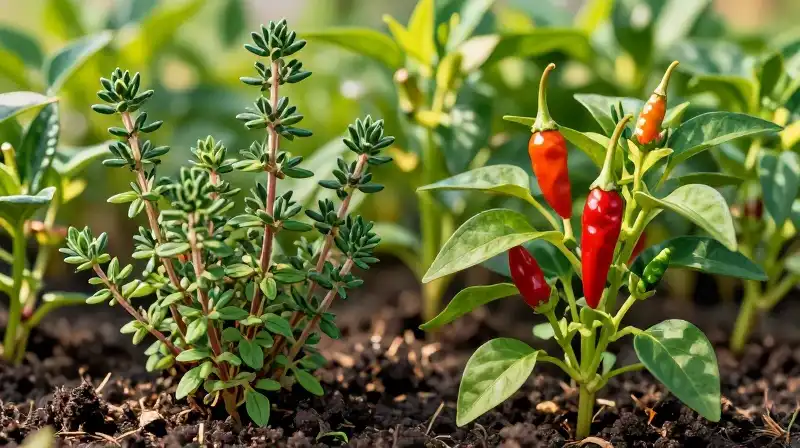
Selecting appropriate neighbors for thyme can enhance garden health and maximize available space while benefiting the primary herb. The key to successful companion planting with thyme is utilizing plants that offer adequate height and structure to promote localized air movement.
Optimal Companions:
- Upright Plants: Pairing thyme with taller, upright-growing herbs like rosemary or lavender is highly recommended. These taller varieties shield the thyme from wind erosion and help funnel cool air toward the ground, improving circulation.
- Beneficial Relationships: Companions not only provide physical support but can also offer pest deterrence. Ensuring proper spacing between the low-growing thyme and the taller companions prevents the shadows from being cast too deeply onto the thyme’s critical growth zone.
Practical Maintenance and Harvest Cycle
The lifecycle of thyme requires periodic attention to maintain its quality. Unlike many herbs, thyme is suited to both container life and permanent garden establishment, but both need upkeep.
Maintenance Checklist:
- Watering: Allow the top inch or two of soil to dry out completely between waterings. Overwatering is the primary cause of failure; ensure the plant is never allowed to sit in standing water.
- Pruning and Pinching: Regularly pinch off the tips of new growth. This action signals to the plant that it needs to branch out laterally, resulting in a fuller, more productive herb.
- Pest Monitoring: Inspect the undersides of the wiry leaves regularly for common pests. Prompt identification and treatment are necessary to prevent infestation, especially in confined container spaces.
Synthesis: Final Precautions for Thyme Cultivation
Successfully cultivating thyme is achieved by prioritizing its environmental limitations over its general perceived resilience. To ensure robust health and superior aroma, the decision to grow thyme should hinge on three critical prerequisites:
First, confirm that the chosen planting location or container provides absolute, unimpeded drainage. Second, ensure there is sufficient lateral space between plants to allow thin, wiry stems to breathe, even if this means planting fewer specimens. Third, if growing in highly humid, warm zones, plan to manage the plant according to cool-season annual care, regardless of its perennial nature in colder climates.
Frequently Asked Questions
How big does a Thai hot pepper plant get?
The provided article is about thyme and does not contain any information regarding the size or growth of a Thai hot pepper plant.
How to Cultivate Thyme Successfully
Prepare Planting Medium
For containers, use a porous, mineral-based potting mix. For garden beds, incorporate grit, coarse sand, or perlite to ensure an extremely well-draining substrate that allows excess water to pass freely.
Determine Location and Spacing
Place the thyme in an area receiving at least six to eight hours of direct sunlight per day. Ensure sufficient lateral space between plants to prevent overcrowding and allow thin, wiry stems to breathe.
Establish Watering Routine
Allow the top inch or two of soil to dry out completely between waterings. Avoid standing water at all costs to prevent root rot.
Maintain Plant Habit
Regularly pinch off the tips of new growth to encourage branching and maintain a low, bushy profile, ensuring continuous leaf production.
Monitor for Pests
Inspect the undersides of the wiry leaves regularly for common pests, performing prompt identification and treatment when infestations are found.
Related Articles