Japanese Larch: Classification, planting, and care guide

Introduction
The Japanese Larch (*Larix kaempferi*) is a highly prized specimen in horticulture, celebrated globally for its distinctive pyramidal shape and spectacular seasonal transformation. Unlike most conifers, this species is deciduous, meaning it sheds its needles in the autumn, revealing a striking golden-yellow hue that sets it apart in the landscape. Whether you seek a striking feature in large-scale estate planning or a delicate piece for bonsai, the Japanese Larch offers unique visual interest and a durable form. Understanding its classification, optimal planting requirements, and specific care needs is essential to successfully cultivating this beautiful, fast-growing native species.
Taxonomy and Distinction: Is it a Pine?
 It is a common point of confusion among gardeners to categorize the Japanese Larch as a pine. However, it is fundamentally different. While both are conifers, the Japanese Larch belongs to the genus *Larix*, and is specifically a type of deciduous conifer. A crucial distinction is its life cycle:
-
Pine trees are typically evergreen, retaining their needles throughout the year.
-
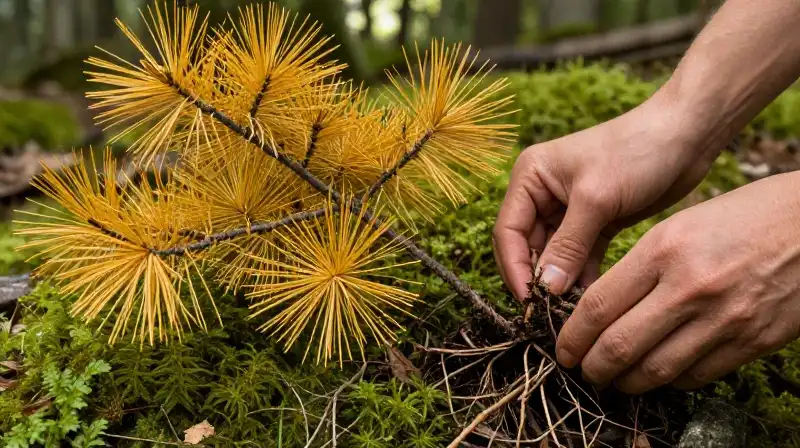
Japanese Larch is deciduous, meaning it naturally changes color and loses its foliage during the colder months, a trait that gives it its unique seasonal appeal.
Known in Japanese as *karamatsu*, it is native to the mountains of central Japan and is prized precisely because it combines the impressive scale of a conifer with the vibrant color change of a deciduous tree.
Growth Patterns and Aesthetic Characteristics
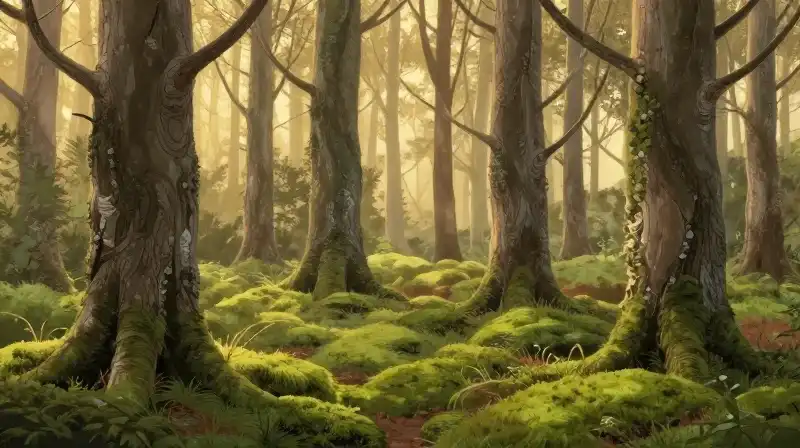 Japanese Larch is known for its powerful, conic growth habit, allowing it to reach impressive dimensions.
Size and Form
In maturity, the species can grow into a medium to large tree. It is capable of reaching significant heights, typically ranging from 20 to 40 meters (over 65–130 feet). Its shape is characteristically broad and conical, forming a prominent centerpiece in landscape design.
Foliage Details
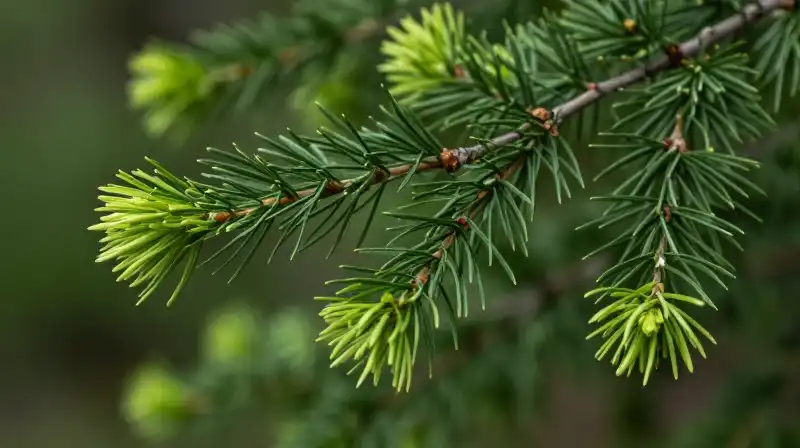
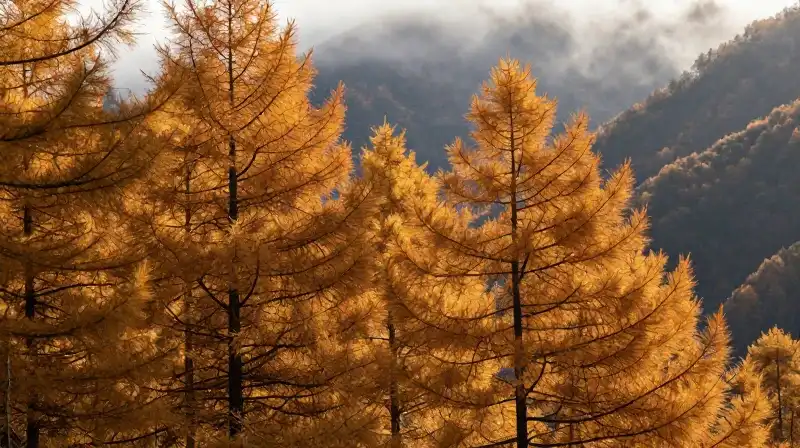
During the growing season, the tree displays bright green needles. These needles possess dark green upper surfaces and are unique in their clustered growth pattern, appearing on short spurs in groups of approximately 40. The defining visual feature, however, occurs in autumn when the needles transition dramatically to brilliant shades of golden yellow or orange before dropping.
Planting Conditions and Care Guide
Successful cultivation of Japanese Larch depends heavily on specific environmental conditions, primarily relating to light, moisture, and climate.
Light and Soil Requirements
The Japanese Larch requires full sun to thrive. It is highly adaptable to varied altitudes, even flourishing in areas up to 2,900 meters, provided the soil conditions are appropriate. The preferred soil is well-draining but should still maintain moisture, especially during the summer growing season. Poor drainage can lead to root issues.
Climate and Hardiness Zones
This species is quite hardy. It is well-suited for USDA zones 4 through 7. An exception exists in zone 8, where the tree can be successfully managed if located within 100 miles of coastal areas that provide necessary protection and moderated climate.
Pruning and Maintenance
As a fast-growing species, careful management is necessary. Standard care involves ensuring adequate watering during establishment and dry periods. Dormancy is a required phase, and for shipping or storage during winter, the foliage should be allowed to naturally drop.
Versatility: Landscape, Bonsai, and Wood Usage
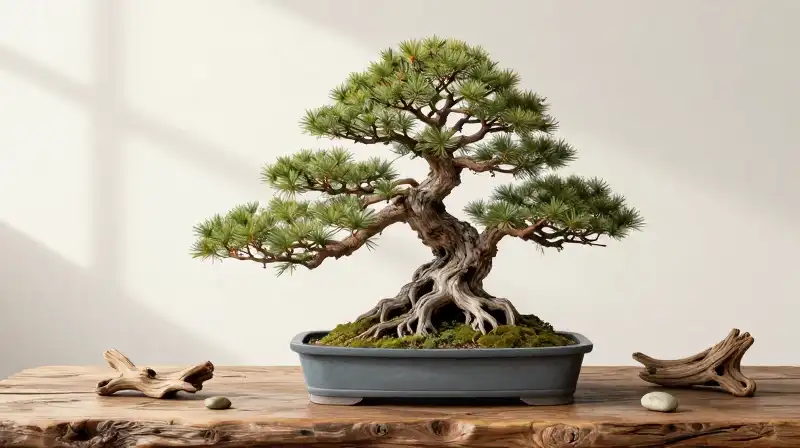 Beyond its role as a spectacular ornamental tree, *Larix kaempferi* serves several practical purposes.
Landscape Design
The tree’s ability to provide a strong pyramidal form, combined with its dramatic seasonal change, makes it a preferred choice for park landscaping and urban planting where a distinctive vertical element is desired.
Bonsai and Specimen Cultivation
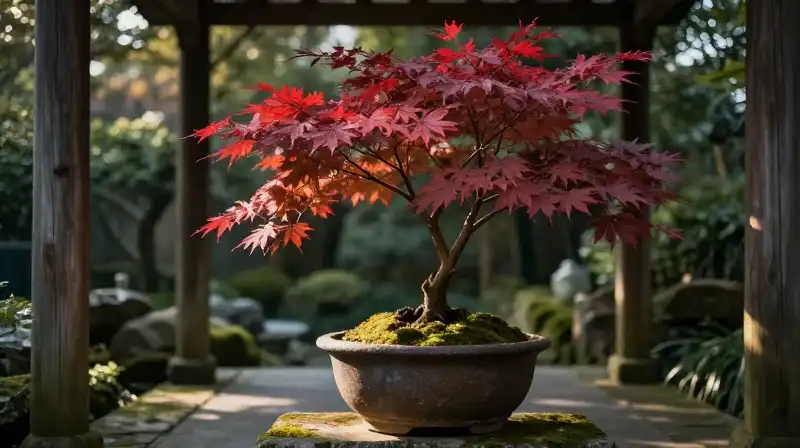
Due to its strong form and adaptability to careful training, the Japanese Larch is a favorite subject for bonsai enthusiasts. Specific dwarf cultivars, such as ‘Blue Dwarf’ and ‘Nana,’ are cultivated for their controlled, limited size and broad form, making them ideal for collection and display.
Utility of Larch Wood
The wood of Japanese Larch is known for its toughness and durability. This makes it suitable for general construction projects, outdoor applications, and fencing.
Risks, Cultivars, and Decision Criteria
 While beautiful and versatile, potential growers should consider specific risks and cultivation choices.
Managing Horticultural Risks
A significant concern for Japanese Larch cultivation is the risk of infection from *Phytophthora ramorum*. Growers must be diligent in inspecting trees for signs of disease and maintain good plant hygiene to mitigate the spread of this pathogen, often known as sudden oak death.
Choosing the Right Cultivar
When selecting a Japanese Larch, consider your space constraints.
- If limited space is available, seek out the dwarf cultivars like ‘Blue Dwarf’ or ‘Nana.’
- For traditional, large-scale impact, select a standard, non-dwarf specimen.
Synthesis: Practical Guidance for Planting
The Japanese Larch is a low-maintenance, high-impact specimen, but its success hinges on meeting its basic needs: full sun, well-drained soil, and the correct climatic zone. When planning a planting, determine if your site can support a fast-growing, 70-foot tree or if a dwarf form is required for the scale of your space. Always prioritize a location where the tree can receive unobstructed sunlight to ensure its best growth and vibrant fall color. By respecting its deciduous nature and maintaining proper drainage, you can ensure this iconic conifer thrives.
Frequently Asked Questions
Where to plant Japanese larch?
Japanese Larch requires full sun and prefers a well-draining soil that can still maintain moisture. It is well-suited for USDA zones 4 through 7 and can thrive in varied altitudes up to 2,900 meters.
Is Japanese larch a pine?
The Japanese Larch is not a pine; it is a type of deciduous conifer belonging to the genus Larix. While it is a conifer, it is fundamentally different from pines because it sheds its foliage in the autumn, whereas pines are typically evergreen.
How to Successfully Cultivate Japanese Larch
Assess Site Conditions
Select a location that provides full, unobstructed sunlight to ensure optimal growth and vibrant fall color.
Verify Climate Suitability
Confirm the planting location is within the appropriate USDA hardiness zones (4 through 7).
Prepare Soil for Growth
Choose or amend soil that is well-draining but capable of retaining moisture during the growing season.
Water and Maintain
Provide adequate watering during the establishment period and throughout dry stretches of the growing season.
Manage Dormancy
Allow the tree to undergo its natural dormancy, ensuring foliage is permitted to drop in preparation for winter or storage.
Related Articles