Inkberry and Shamrock (Ilex glabra) Care: Growing and Pruning Tips

Introduction
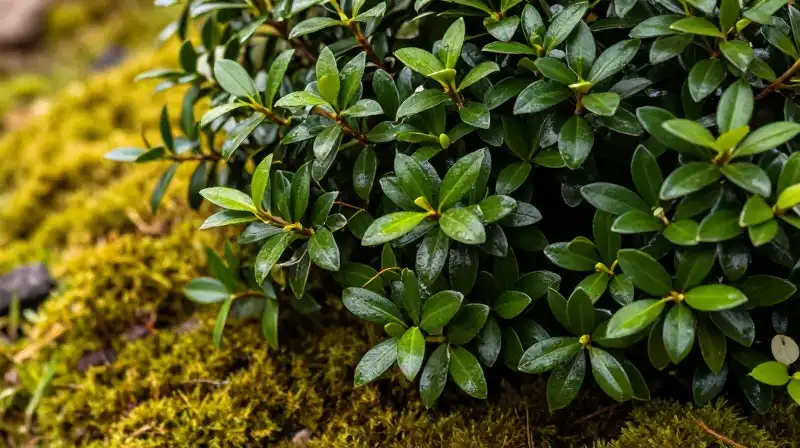
The Ilex glabra, commonly known as inkberry or gallberry, is a durable, evergreen shrub valued in landscaping for its dense, glossy foliage and tolerance for various environmental conditions. While it is an exceptionally hardy plant, successful cultivation requires adherence to specific ecological requirements. This guide details the essential growing conditions, proper maintenance, and cultivar differences needed to ensure your shamrock inkberry remains healthy and thriving.
Optimal Soil and Planting Conditions
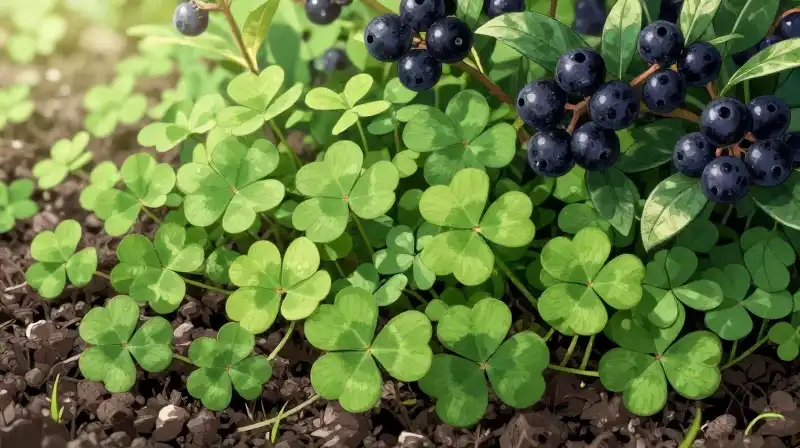
The single most important factor in the long-term health of inkberry is the soil composition. Although it is adaptable, specific preferences dictate when the plant will flourish versus struggling.
Addressing the pH Requirement
Inkberry thrives in rich, consistently moist, and acidic soil. This preference is not merely cosmetic; it is necessary for optimal nutrient uptake. A common mistake is planting the shrub in neutral or alkaline (high pH) conditions, which can cause nutrient deficiencies and inhibit growth. When selecting a planting site, ensure the soil pH is within the acidic range before installation.
Sunlight and Drainage
While Ilex glabra is generally resilient, it requires specific light exposure to maintain its dense habit. It performs best when provided with full sun or partial shade. Regarding water, the species tolerates heavy clay or sandy soil, provided it is kept consistently moist. Allowing the soil to dry out completely for extended periods should be avoided, as this can stress the plant and encourage unwanted root activity.
Understanding Cultivar Differences: Species vs. Shamrock
While the general care principles apply to all inkberry varieties, choosing the correct cultivar significantly impacts maintenance needs and desired size. The difference between the standard species and the shamrock inkberry lies primarily in its growth habit.
The standard Ilex glabra species is a robust, fast-growing shrub that typically reaches heights of 5 to 8 feet. A notable characteristic of the species is its aggressive tendency to spread by forming colonies of root suckers when the initial root system is disturbed or when allowed to grow unrestrained. In contrast, the ‘Shamrock’ cultivar is bred for a more manageable, compact size, generally maintaining 3 to 4 feet in height, and demonstrates a reduced susceptibility to extensive suckering compared to the parent species.
For landscapes where space is limited or where tight control over the shrub’s spread is required, the compact nature of the shamrock inkberry makes it the superior choice.
Pruning and Growth Management
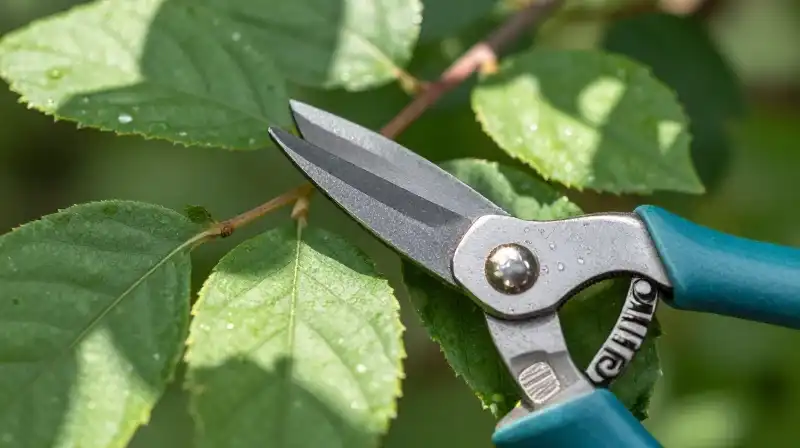
Proper pruning is necessary to maintain the desired shape and density of the evergreen foliage. However, because Ilex glabra is a slow-growing woody perennial, the timing of pruning is critical.
The Timing of Pruning
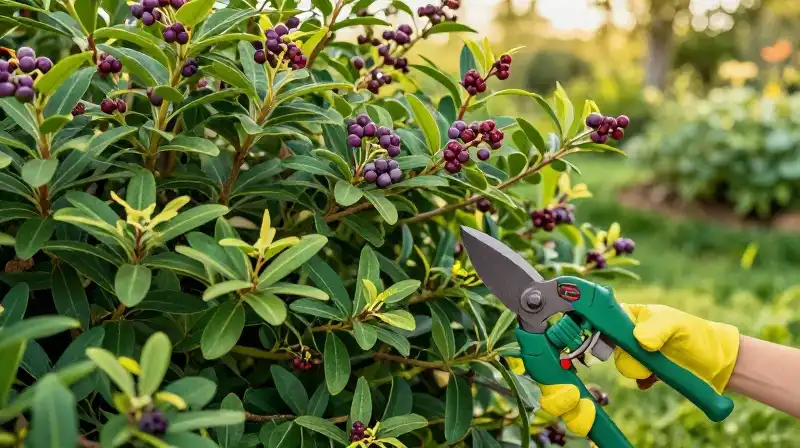
To prevent damage to the wood and to encourage dense, healthy growth, pruning should always be conducted in early spring, before the onset of the new growth period. Cutting during the peak growing season can encourage excessive, weak shoot growth, while late pruning can stress the plant just as it begins to harden off for the summer.
Controlling Root Suckering
Due to the inherent tendency of Ilex glabra to sucker, proactive management is required, particularly with the standard species. To minimize the formation of unwanted root colonies:
- Maintain consistent soil moisture, which helps keep root systems stable.
- Ensure the plant is adequately rooted and established in its location.
- Employ light, consistent pruning to direct growth and keep the canopy tight.
Dioecious Nature and Fruiting
A unique aspect of inkberry is its dioecious nature. Unlike many plants, Ilex glabra does not bear fruit on all of its plants. The shrub must have both male and female plants within its proximity to successfully produce its small, black, berry-like drupes (inkberries). If you are relying on the plant for autumn color or fruit, it is essential to ensure genetic diversity in your planting and to mix male and female specimens.
Practical Planting and Maintenance Summary
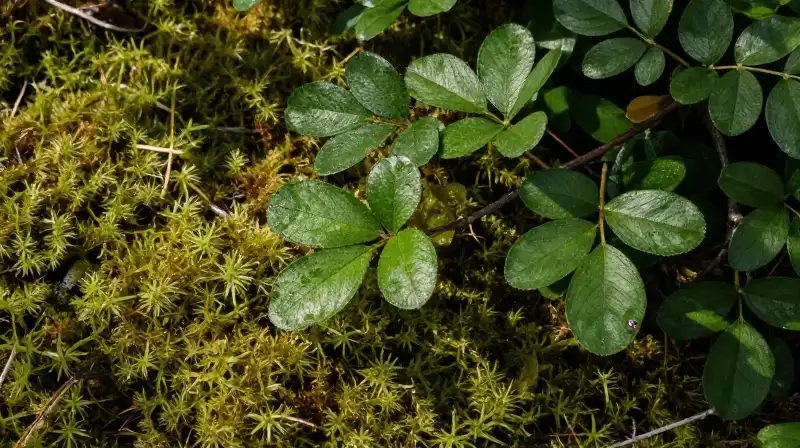
Successful long-term maintenance of your inkberry depends on managing its acidic needs and its inherent growth patterns. By focusing on these key areas, you can maximize its hardiness and aesthetic appeal.
Before planting or during seasonal maintenance, consider these practical steps:
- Soil Assessment: Always test the soil pH first. Adjust using elemental sulfur if it is neutral or alkaline.
- Light Selection: Choose a spot that receives either full sun or dappled shade; avoid deeply shaded areas.
- Pruning Schedule: Stick strictly to early spring pruning to maintain shape and direct growth.
- Cultivar Choice: Select the ‘Shamrock’ cultivar if you require a smaller footprint and greater control over spreading.
- Moisture Management: Maintain consistent, consistent moisture throughout the growing season, especially during establishment.
By honoring these specific care guidelines, you ensure your Ilex glabra remains a robust, enduring feature in your landscape.
How to Successfully Grow and Maintain Inkberry
Soil Assessment
Always test the soil pH first. Adjust using elemental sulfur if it is neutral or alkaline.
Light Selection
Choose a spot that receives either full sun or dappled shade; avoid deeply shaded areas.
Pruning Schedule
Stick strictly to early spring pruning to maintain shape and direct growth.
Cultivar Choice
Select the 'Shamrock' cultivar if you require a smaller footprint and greater control over spreading.
Moisture Management
Maintain consistent, consistent moisture throughout the growing season, especially during establishment.
Related Articles