Fruitless Olive Trees: A Guide to Low-Maintenance Landscaping

Introduction
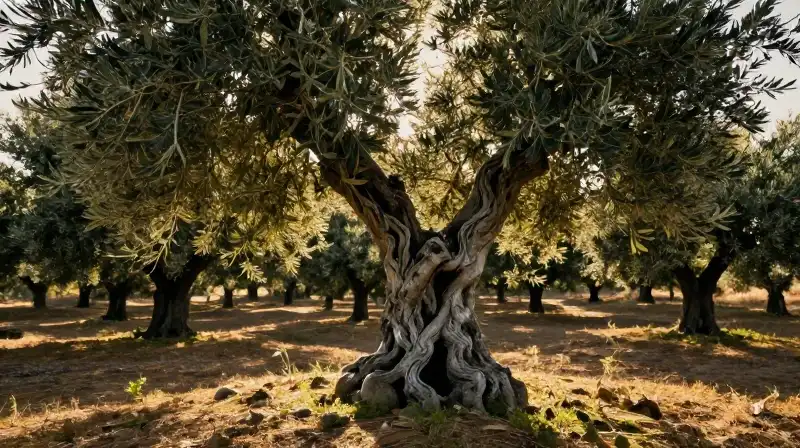
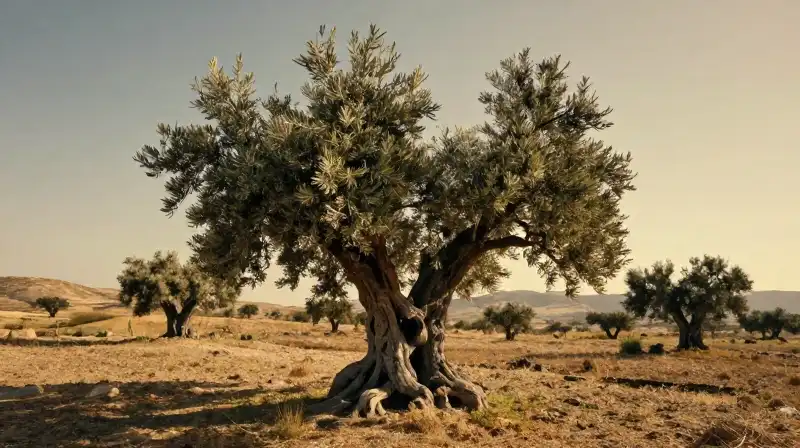
The Fruitless Olive tree offers a unique solution for those seeking the distinctive architectural beauty of the Mediterranean olive without the complexities of managing fruit production. This cultivar, derived from the hardy Olea europaea species, is specifically bred to provide striking, silvery-green foliage and naturally sculptural, gnarled trunks, making it a premier choice for modern and classic landscaping. Unlike traditional varieties that require constant cleanup and monitoring of fruit drop, the Fruitless Olive is engineered for minimal maintenance. It delivers years of timeless visual appeal with remarkably low upkeep, fulfilling the role of a drought-tolerant, highly decorative specimen.
Why Choose a Fruitless Olive for Landscaping?
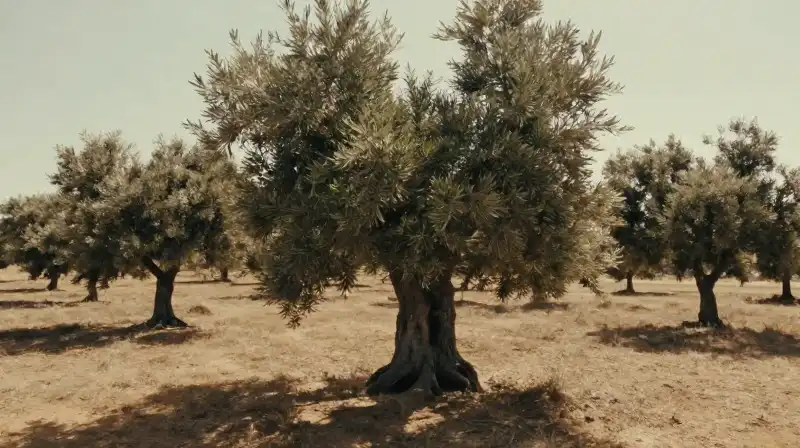
The primary appeal of the Fruitless Olive lies in its seamless blend of high aesthetic value and low commitment. Its foliage possesses a soft, gray-green hue that reflects sunlight beautifully, creating visual interest even in the shade of other plants. From a design perspective, it provides a permanent, unchanging backdrop—a “living sculpture” that defines walkways, courtyards, and pool edges without the seasonal drama or mess of a fruit-bearing variety.
Key Benefits of This Variety
- Minimal Upkeep: The non-fruiting nature eliminates the need for seasonal pruning and the constant cleanup of dropped fruit, making it ideal for busy homeowners.
- Architectural Elegance: Its naturally gnarled, character-filled trunk provides dramatic vertical interest and a strong, timeless design element.
- Drought Tolerance: Once established, the Fruitless Olive is highly drought-tolerant, performing exceptionally well in dry climates and requiring little water management.
- Versatile Design: It pairs easily with contemporary hardscaping, including walkways, modern patios, and contemporary design schemes.
Climate and Growth Requirements
To ensure your Fruitless Olive tree thrives, specific conditions regarding climate and soil preparation are necessary. This variety is fundamentally a tree of warm, dry climates. It is most successful in regions with predictable warm seasons and dry summers.
Optimal Placement and Growing Zones
The Fruitless Olive performs optimally in areas categorized by USDA Zones 8 through 11. While it can tolerate some light frost, it requires consistent protection during hard freezes.
- Sun Exposure: Full sun is essential for optimal health, ensuring the tree maintains its robust, silvery coloration and density.
- Soil Condition: The tree demands well-drained soil. Olive trees are highly susceptible to root rot if their roots remain in consistently saturated conditions. Ensure your planting site has excellent drainage.
- Location: It is ideally suited for exposed areas such as modern landscapes, spacious yards, and large patio areas where its form can be fully appreciated.
Understanding Flowering and Bloom
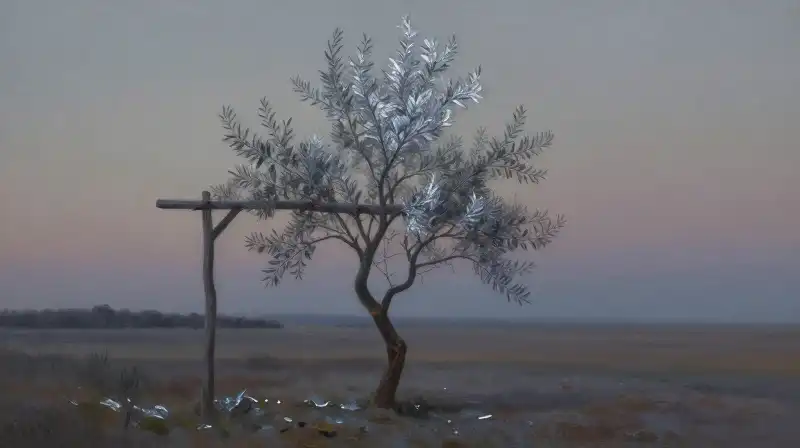
People frequently ask if the Fruitless Olive trees bloom. The answer is yes; they do produce flowers, although this feature does not translate into fruit production.
Because the variety is selectively bred to be fruit-null, the tree typically directs its energy toward flower production or vegetative growth, rather than fruit. These blooms, while often inconspicuous, are part of the plant’s natural life cycle and add a subtle touch of color to the landscape. However, the primary focus of this specific cultivar remains its elegant foliage and structural form, not its culinary harvest.
Practical Guide to Planting and Maintenance
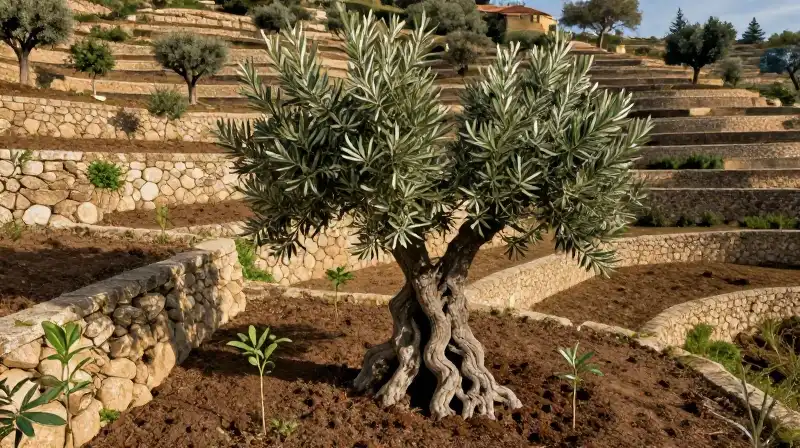
Successfully integrating a Fruitless Olive into your garden depends heavily on initial planting and long-term watering strategies. Proper placement and initial deep watering are crucial for establishing its drought-tolerance.
Planting and Establishment
Whether you are searching for a Fruitless Olive tree for sale or considering a smaller variety, proper planting minimizes early stress. When planting:
- Select a site with unobstructed access to full sunlight.
- Dig a deep, wide hole, ensuring the root collar is slightly higher than the surrounding soil to prevent water pooling.
- Initial establishment requires a consistent watering regimen. Although drought-tolerant once mature, young trees need careful hydration during the first two growing seasons.
Long-Term Care and Watering
The hallmark of this tree is its ability to thrive on minimal care once it is mature. After the establishment period, the focus shifts to letting the roots grow deep and the canopy maintain its natural form.
Because this variety is highly drought-tolerant, you must manage expectations regarding watering. Over-watering is far more likely to harm the tree than underwatering. Water deeply during extended dry spells rather than frequently, allowing the topsoil to dry out completely between waterings. This encourages the deep root system necessary for surviving arid conditions.
Evaluating the Fruitless Olive: Pros, Cons, and Alternatives
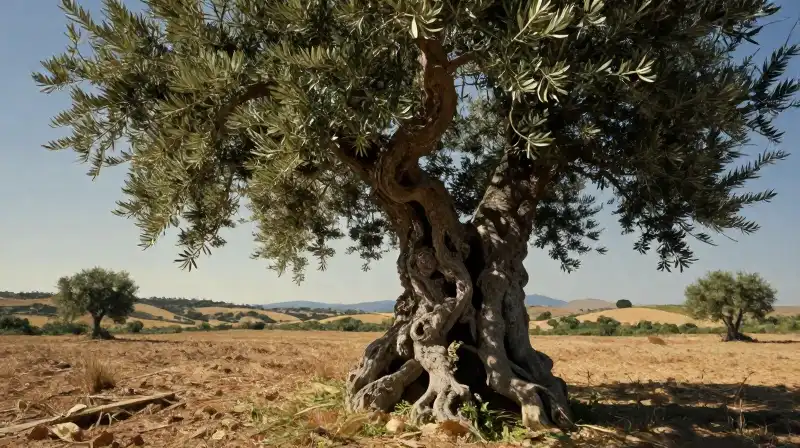
Like any landscape specimen, the Fruitless Olive has specific limitations. Evaluating its suitability for your environment involves understanding both its benefits and necessary environmental constraints.
Decision Criteria Comparison
If you are trying to decide if this tree fits your landscape, consider the following trade-offs. While it excels in low maintenance, it is not suitable for all climates or uses.
| Feature | Fruitless Olive | Traditional Olive Varieties |
|---|---|---|
| Maintenance Level | Very Low (No fruit cleanup) | Moderate (Requires pruning and cleanup) |
| Aesthetic Focus | Architectural form and silvery foliage | Fruiting potential and classic Mediterranean look |
| Climate Suitability | Warm, dry (Zones 8-11) | Warm, dry (Specific needs vary by fruit type) |
| Water Needs | Low (Drought tolerant when established) | Low (Moderate requirements vary) |
Critical Considerations Before Planting
Before selecting a Fruitless Olive tree for your home, confirm the following to prevent future issues:
- Drainage is non-negotiable: If your site has poor natural drainage, consider amending the soil heavily or choosing an alternative.
- Climate Check: Verify that your specific microclimate fits within the Zone 8-11 range, accounting for local variations.
- Mature Size: Evaluate how much space the tree will require as it matures, particularly if you are considering a Dwarf fruitless olive tree variety for smaller spaces.
Synthesis: Sustainable Landscaping with the Fruitless Olive
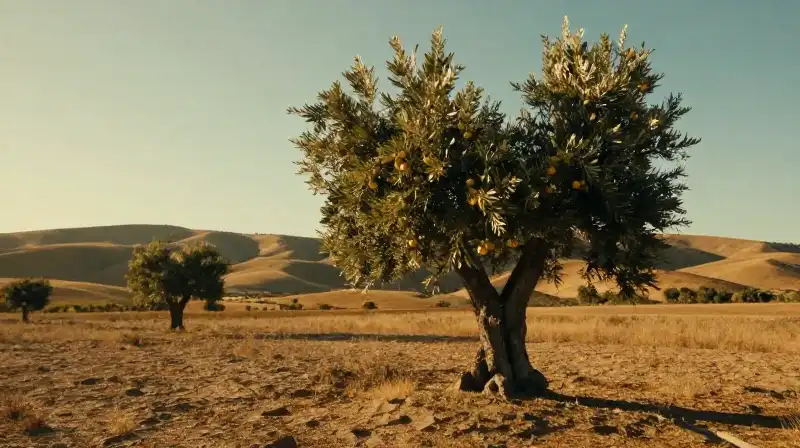
The Fruitless Olive is an outstanding asset for minimalist and modern landscape design. Its value lies in its ability to provide a strong, structural presence and lasting beauty while demanding minimal intervention. Its success is contingent upon providing it with the right foundation: full sun and meticulously well-drained soil within a warm climate. By viewing the plant primarily as a sculptural element rather than a food source, you maximize its inherent advantages. When selecting one, prioritize proven health and climate compatibility over the cheapest option to ensure the decades of low-maintenance beauty this variety promises.
Frequently Asked Questions
Do fruitless olive trees bloom?
Yes, the Fruitless Olive tree does produce flowers, though this feature does not result in fruit production. This variety is selectively bred to be fruit-null, directing its energy toward flower production or vegetative growth.
Where to plant a fruitless olive tree?
A fruitless olive tree performs optimally in exposed areas like modern landscapes or spacious yards within USDA Zones 8 through 11. It requires a site with full sun and must be planted in meticulously well-drained soil to prevent root rot.
How to Plant and Care for a Fruitless Olive
Select the Planting Site
Select a site with unobstructed access to full sunlight.
Prepare and Install
Dig a deep, wide hole, ensuring the root collar is slightly higher than the surrounding soil to prevent water pooling.
Initial Establishment Watering
Maintain a consistent watering regimen during the first two growing seasons, as young trees need careful hydration to establish their deep root system.
Long-Term Care
After the establishment period, allow the tree's roots to grow deep and the canopy to maintain its natural form.
Managing Drought Conditions
During extended dry spells, water deeply rather than frequently. Allow the topsoil to dry out completely between waterings to encourage deep root growth.
Related Articles