Zuni Crepe Myrtle: Hardiness, Bloom Color, and Garden Uses

Introduction
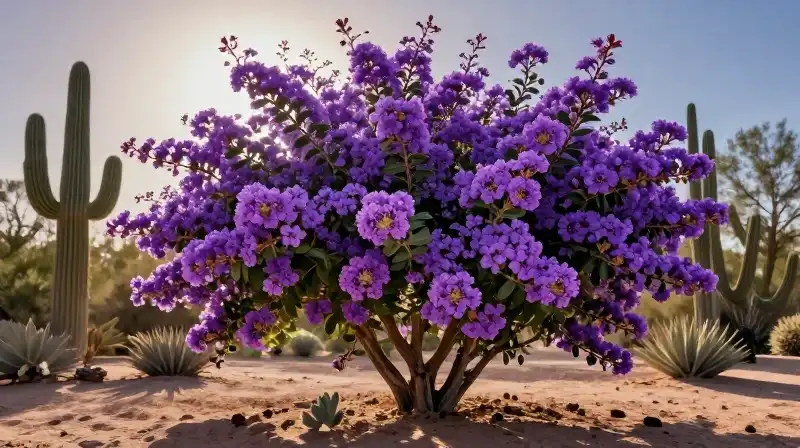
The Zuni Crape Myrtle offers a striking combination of substantial size and minimal maintenance, making it a highly effective ornamental shrub for diverse landscapes. Known for its rich, dark mauve blooms and dramatic fall color shifts, this plant provides both vibrant seasonal interest and practical landscaping benefits, such as creating privacy barriers. Unlike many common varieties, the Zuni is characterized by its improved hardiness and unique aesthetic, allowing it to thrive in environments that might challenge other ornamental shrubs.
Size and Growth Habit of Zuni Crape Myrtle
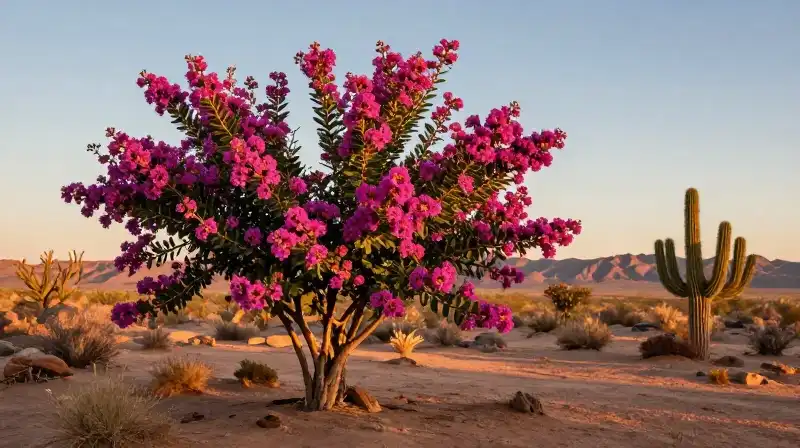 Understanding the mature dimensions of the Zuni Crape Myrtle is essential for effective garden planning. This shrub is a substantial specimen that requires adequate space to develop its full potential.
When young, the Zuni exhibits an upright growth pattern, but over time, it develops a naturally spreading, mature canopy. This mature height typically exceeds 10 feet, and the width can spread up to 8 feet. Because of its non-invasive root structure, it is an excellent choice for installations where root damage to nearby structures or plants is a concern, yet it still offers significant visual impact.
Optimal Climate and Hardiness Zones
 The Zuni Crape Myrtle is notably adaptable to varied climates, provided its needs for sun and soil are met. It is cold-hardy and is suitable for regions within USDA zones 6 through 10. This broad range allows it to be grown across much of the continental United States.
While it tolerates several soil types, its performance depends heavily on establishing adequate drought resistance. Once the Zuni Crape Myrtle has been fully established in the landscape, it demonstrates strong drought tolerance, making it an economical choice for xeriscapes or water-conscious gardens.
Aesthetic Performance and Bloom Color
The visual appeal of the Zuni Crape Myrtle is defined by its rich floral display and striking autumn foliage.
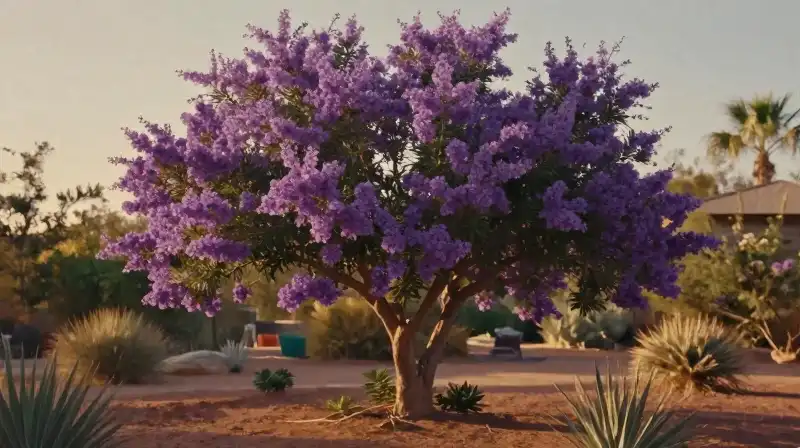
Its primary blooming period is from mid-summer through the autumn, delivering clusters of deep mauve purple flowers. For the best performance, the plant requires full sunlight—a minimum of six hours of direct sun daily. This intense light is key to achieving optimal bloom density and vibrancy.
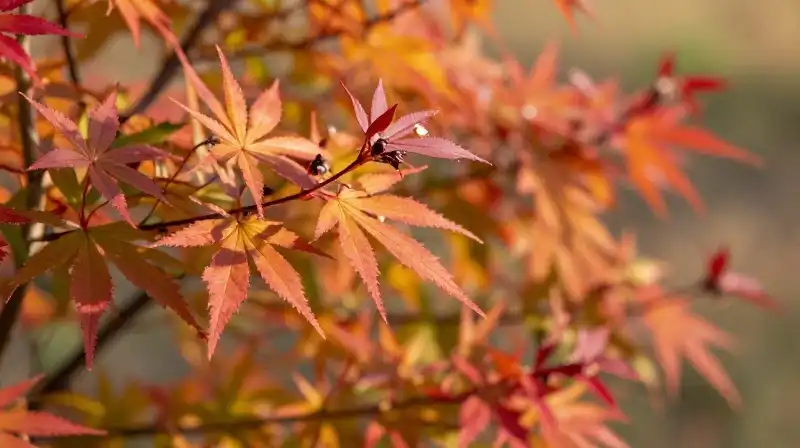
Beyond the summer flowers, the Zuni provides continuous visual interest through its foliage. In the autumn, the leaves undergo a significant transformation, displaying vibrant shades of red, orange, and purple, providing a spectacular transition before winter dormancy.
Low Maintenance and Care Requirements
 One of the greatest advantages of the Zuni Crape Myrtle is its minimal required maintenance. It is inherently resistant to many common garden pests and diseases, reducing the need for intensive chemical treatments.
The care regimen primarily focuses on providing adequate sunlight and ensuring its initial establishment. While it tolerates varied soil compositions, consistent moisture is generally needed during the initial planting phase to ensure robust root development and long-term drought resilience. Its non-invasive nature simplifies planting in tight spaces.
Effective Landscape Applications
The substantial size, robust hardiness, and dramatic seasonal color make the Zuni Crape Myrtle a versatile plant for multiple landscape functions.
It is highly effective when used as a structural element in a design. Consider these practical applications:
- Privacy Hedge: Its rapid, spreading canopy allows it to be used as an effective, visually appealing screen or boundary marker.
- Landscape Focal Point: Due to its striking dark purple flowers and intense autumn color, it serves as an excellent centerpiece in larger, open gardens.
- Ecological Feature: The Zuni attracts various pollinators, including bees and butterflies, contributing positively to the local ecosystem.
Deciding on the Zuni Crape Myrtle: Practical Synthesis
 The Zuni Crape Myrtle is an excellent choice for gardeners seeking a high-impact, low-fuss shrub, but its success depends on a few key factors. The decision to plant this variety hinges on your ability to provide six hours or more of direct sunlight. While its tolerance for varied soil and its drought resistance once mature are significant advantages, its need for adequate space to reach its 10-foot height and 8-foot spread should be accounted for before planting. Prioritizing full sun and allowing time for initial establishment will ensure the plant thrives and maximizes its unique mauve bloom and fall color potential.
Related Articles