Golden Mop Cypress: Hardiness, Care, and Buying Guide


Introduction
The Golden Mop Cypress (False Cypress) is a distinctive dwarf evergreen shrub prized for its vivid, golden yellow-green foliage that maintains a compact, manageable shape. Unlike many traditional conifers, this cultivar offers a unique blend of architectural structure and striking seasonal color. Before integrating this specific variety into a landscape plan, understanding its precise growth habits, environmental needs, and regional purchasing limitations is crucial. This guide provides a comprehensive look at the Golden Mop Cypress, covering its requirements, hardiness, and practical advice for selection and planting.
Plant Profile and Growth Characteristics

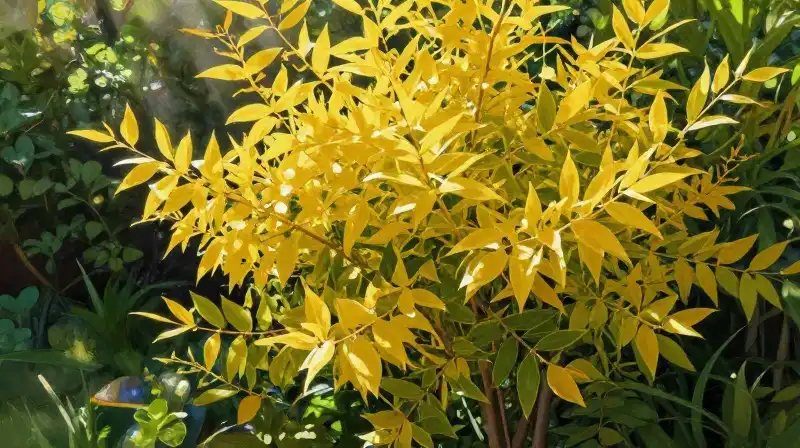
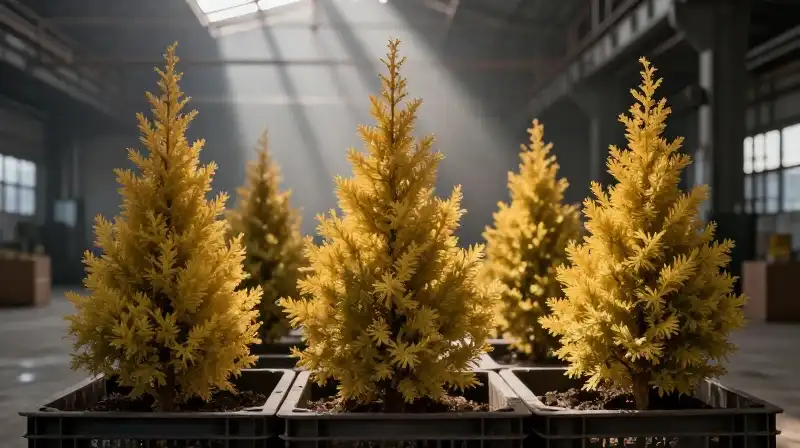
The Golden Mop Cypress is classified as a dwarf evergreen shrub within the cypress family (Cupressaceae). Its distinguishing feature is its dense, scale-like foliage, which exhibits a brilliant golden to green hue, often resembling a traditional mop head. Because it is a slow-growing variety, it retains a controlled pyramidal or rounded form, typically reaching a maximum height and width of 5 feet. Its mature bark is notable for being reddish-brown and possessing an exfoliating texture, adding another layer of visual appeal as the plant ages.
Growth Rate and Maturity
This shrub is known for its deliberate growth rate. While it establishes well, rapid expansion is not characteristic. This slow growth rate is beneficial for gardeners who require a consistently sized shrub for specific foundation plantings or small landscape designs. Once established, the plant is relatively low-maintenance, requiring only infrequent pruning to maintain its desired form.
Ideal Environmental Conditions
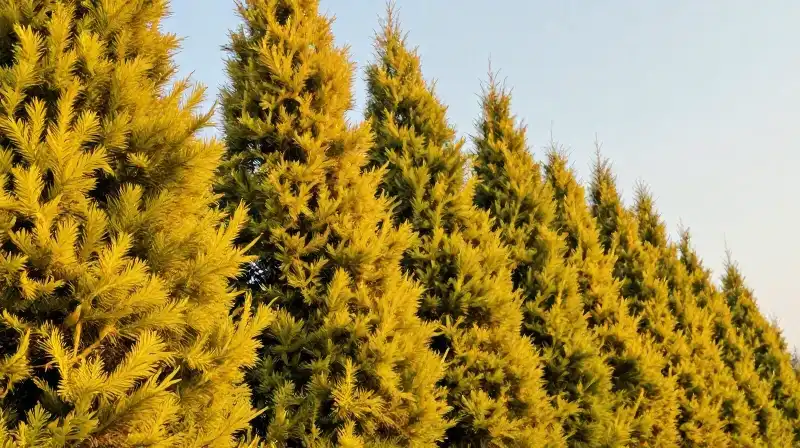
Successful cultivation of the Gold Mop Cypress depends heavily on the right environmental placement, particularly regarding light and soil structure. Proper growing conditions minimize stress and allow the vibrant foliage to thrive.
The plant generally prefers areas receiving full sun to partial shade. While it is adaptable, the intensity of light will influence the brilliance of the yellow-green color. Soil requirements are specific: it needs moist, well-drained loam. Cypress varieties are susceptible to root rot, meaning that poorly drained, heavy clay soils should be amended significantly before planting.
- Light: Full sun to partial shade.
- Soil: Moist, well-drained loam.
- Moisture: Prefers average moisture levels but becomes drought-tolerant once mature and established.
Hardiness and Climatic Considerations
Addressing the question of whether the Golden Mop Cypress is cold hardy requires considering regional climate data. As a specific cultivar, its exact frost tolerance varies, but like many evergreen shrubs, it can handle typical cold winter conditions once adequately established.
While general hardiness guidelines apply, it is essential to confirm the plant’s tolerance for specific frost levels and extreme temperature swings in your precise geographic region. When planting, ensuring the shrub is fully rooted before the severe winter season begins is a critical preparatory step.
Landscape Applications and Usage

Due to its compact size and unique aesthetic, the Gold Mop Cypress is versatile in landscape design. It is ideally suited for:
- Specimen Planting: Using the shrub as a singular focal point in a garden.
- Rock Gardens: Grouping small, vibrant specimens to create visual interest in stony landscapes.
- Foundation Planting: Placing it along house perimeters where a controlled, low-to-moderate height hedge is desired.
- Low Hedges: Creating subtle, defined borders that maintain a consistent, compact form.
Maintenance and Potential Issues
Maintaining a Golden Mop Cypress requires vigilance against specific pests and maintaining proper health habits.
Care Guide
Because of its slow growth and low maintenance needs, routine care is focused more on preventative health measures. Regular, light pruning is sufficient to maintain its dense, rounded shape.
Addressing Plant Health Challenges
Gardeners should watch for signs of common plant issues specific to this variety. Potential problems include:
- Root Rot: This is the primary concern and is usually directly related to poor soil drainage and overwatering.
- Bagworms: These small larvae can damage foliage and should be addressed with appropriate, targeted treatments.
- Juniper Blight: While less common, susceptibility to this fungal issue requires monitoring for unusual spotting or discoloration on the leaves.
Sourcing and Purchasing Considerations
When purchasing the Golden Mop Cypress, buyers must be aware of logistics, size, and regional restrictions. Availability and delivery depend on geographical location and product size.
It is necessary to verify the specific shipping schedule and use your zip code to obtain accurate regional delivery windows. Shipping is generally available during spring and fall seasons, but these timelines are subject to external factors like weather and industry demand.
Sizing and Restrictions
Check the supplier’s inventory for specific available sizes, as the plant’s growth is slow and consistent. Be cautious regarding large size restrictions; if the specimen exceeds certain dimensions, it may be ineligible for standard shipping and require specialized handling. Additionally, local state regulations may impose restrictions on certain ornamental plants, which should be confirmed before placing an order.
Choosing the Right Golden Mop Cypress
To ensure your investment thrives, consider these criteria: evaluate your specific light exposure, confirm your soil has excellent drainage, and verify that the available cultivar size meets your design needs. The Golden Mop Cypress offers a unique, enduring presence in the landscape, but its success is tied directly to consistent care and an understanding of its physical and environmental limits.
Frequently Asked Questions
Is golden mop cypress cold hardy?
Its exact frost tolerance varies because it is a specific cultivar, though it can handle typical cold winter conditions once adequately established. It is essential to confirm the plants tolerance for specific frost levels and extreme temperature swings in your precise geographic region.
Related Articles