Oakleaf Holly: Features, Growth Guide, and Planting Care

Introduction
The Oakleaf Holly (Ilex ‘Conaf’) is a distinctive hybrid holly prized for its striking visual transition and reliable upright structure. Unlike many traditional evergreens, this cultivar offers a unique seasonal display, moving from delicate bronze hues in spring to rich emerald green, all while producing attractive, durable berries. For landscape designers and dedicated gardeners, selecting the right cultivar depends on its mature form and specific care requirements. To ensure the long-term success of your planting, understanding not just the beauty of this specific holly, but also the essential horticultural practices for its establishment, is critical.
Oakleaf Holly: Key Features and Aesthetics

As a cultivar within the Red Holly Series, the Oakleaf Holly blends the durability of its genus with a unique aesthetic profile. It is botanically defined as a female, dioecious plant, meaning it requires a male plant nearby for successful pollination and fruiting.
Growth Habit and Structure
Initially, when young, the Oakleaf Holly exhibits a characteristic conical growth habit. As it matures, it develops a classic, symmetrical upright pyramidal form. This structure makes it an excellent choice for creating focal points or providing vertical accent within a landscape.
Seasonal Color and Foliage
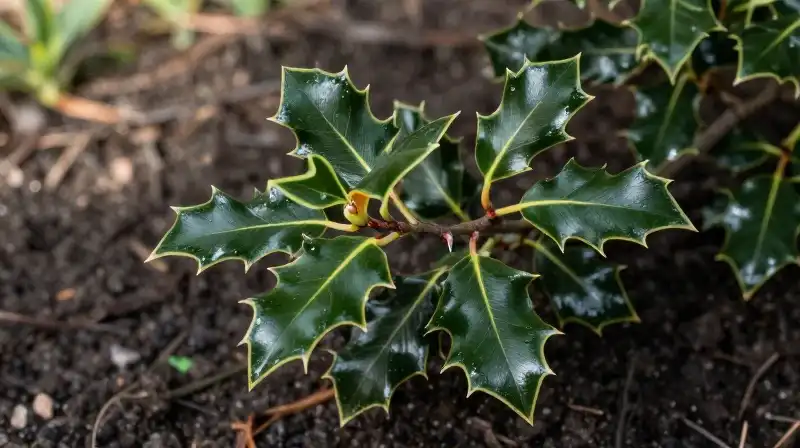
The foliage of the Oakleaf Holly is dense and evergreen, typically consisting of alternate, ovate to lanceolate leaves. One of its most defining traits is its color change. New growth emerges with a distinctive bronze or burgundy-red tint, which gradually matures into a vibrant, deep emerald green. These leaves are noteworthy for their serrated margins and the presence of 3-5 pairs of prominent spines, providing natural texture and visual interest.
Fruiting and Size
In the spring, small, fragrant, creamy yellow/white flowers appear in clusters from the leaf axils. Following successful pollination, the plant produces a profuse harvest of berries. These berries, approximately 3/8 inch in diameter, develop a highly attractive orange-red color by fall. In terms of ultimate size, the mature Oakleaf Holly generally reaches a height between 15 and 20 feet, with a lateral spread of 12 to 15 feet.
Essential Planting and Maintenance Guide
Achieving a thriving Oakleaf Holly relies on providing optimal environmental conditions and following rigorous care guidelines. Adequate attention to planting depth, watering, and physical protection is paramount for successful establishment and sustained health.
Initial Planting Protocol
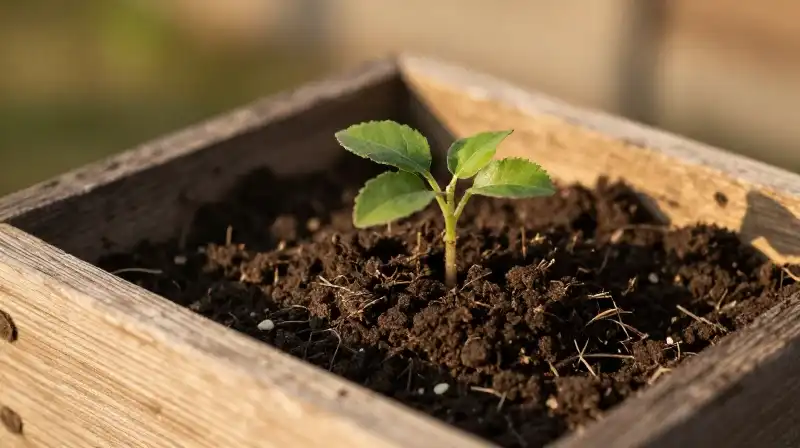
Proper initial planting is the most common factor in plant failure. When installing your Oakleaf Holly, ensure that the planting depth is correct to allow the root system to establish a firm hold. Consistent watering immediately following planting and during the initial growing season is vital to prevent drought stress and encourage strong root development.
Environmental Protection
To ensure the health and growth of the living plant, you must protect the Oakleaf Holly from environmental hazards and potential damage:
- Elements: Protect the plant from sudden, extreme weather shifts.
- Pests and Animals: Ensure the plant is shielded from browsing animals or severe pest damage that could impede growth or growth.
Understanding the Planting Guarantee and Care Limitations
When purchasing this cultivar, the Arbor Day Foundation provides a guarantee that the trees arrive in a healthy condition and may be replaced if they fail to grow within six months of shipment. However, this guarantee is explicitly tied to the buyer’s adherence to specific horticultural practices.
It is crucial to recognize the limitations of this protection. The guarantee does not apply if the plant has been planted in locations outside of recommended horticulture zones, as climate suitability dictates growth potential. Furthermore, the foundation relies on the buyer following prescribed horticultural practices—such as correct planting depth and consistent watering—to determine success. If a failure occurs, the replacement or refund eligibility must be initiated through direct contact with the foundation. Documentation, such as photographs, may be required to support the claim.
Should a replacement be necessary, it must match the root type of the original item ordered, maintaining consistency in the planting process.
Practical Synthesis: Maximizing Oakleaf Holly Longevity
The Oakleaf Holly is a high-impact landscape plant, but its beauty depends directly on the care invested in its foundation. To summarize the criteria for success, prioritize the following:
- Location Matching: Verify that the plant is situated within the appropriate horticulture zone for the required climate tolerance.
- Establishment Care: Ensure correct planting depth and maintain consistent watering during the critical establishment phase.
- Active Protection: Proactively shield the plant from both adverse weather and biological threats (pests/animals).
By viewing the care instructions not merely as recommendations, but as essential prerequisites for the guarantee, you significantly increase the probability of achieving the vibrant, upright, and fruit-bearing display that makes the Oakleaf Holly such a distinguished cultivar.
How to Successfully Plant and Maintain an Oakleaf Holly
Verify Location Suitability
Verify that the plant is situated within the appropriate horticulture zone for the required climate tolerance.
Install Plant Correctly
Ensure the planting depth is correct to allow the root system to establish a firm hold.
Establish Initial Care
Maintain consistent watering immediately following planting and throughout the initial growing season to encourage strong root development.
Provide Environmental Protection
Proactively shield the plant from sudden, extreme weather shifts, browsing animals, and severe pest damage.
Related Articles