How to Grow Heuchera Caramel: Shade, Soil, and Care Tips

Introduction
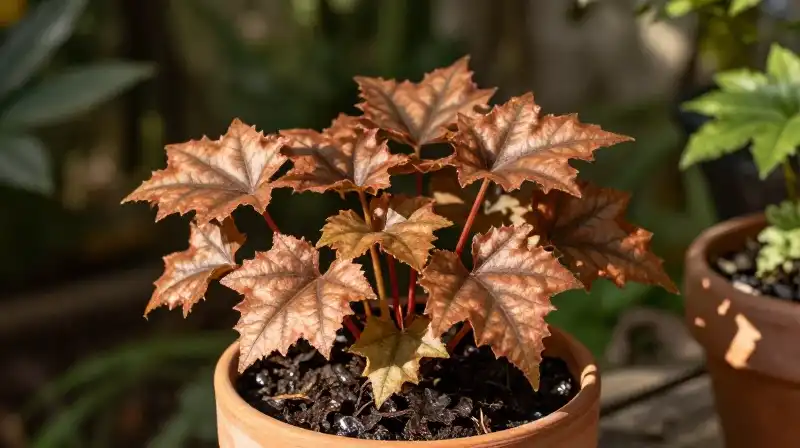
The Heuchera caramel plant, often referred to as coral bells, is highly regarded by gardeners for its vivid, low-maintenance foliage and adaptability to various landscape settings. While it thrives in containers, borders, and even rock gardens, achieving the most robust growth and deepest color requires specific attention to its environmental needs. This guide details the essential elements—light, soil composition, and seasonal care—to ensure your Heuchera caramel grows vigorously and remains vibrant year after year.
Optimal Light Conditions for Heuchera Caramel
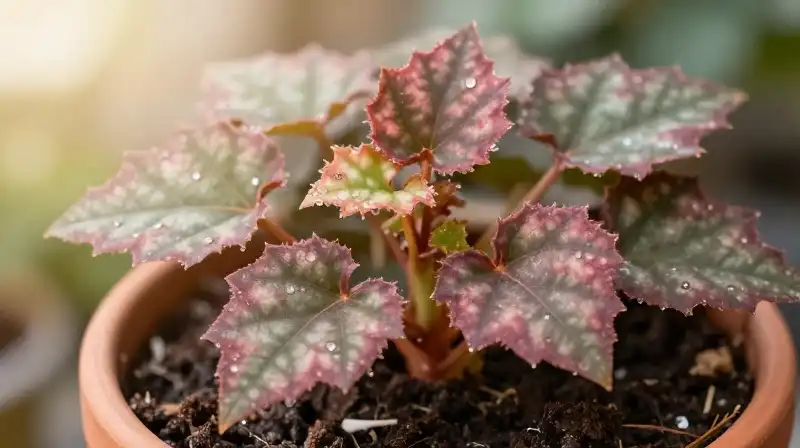
Heuchera varieties, including Heuchera caramel, prefer environments that provide partial shade. The strongest coloration and most consistent, vigorous growth occur when the plant receives afternoon shade. This moderate light level prevents scorching while allowing enough energy for intense color development. If your planting area receives consistent moisture, some varieties can withstand full sun in northern climates, but this is not always ideal.
It is crucial to understand the trade-offs of sun exposure. While the plant is resilient, intense, prolonged sun tends to cause the beautiful foliage to fade prematurely, compromising its signature vibrant hue. Therefore, aim for an environment where the harshest midday rays are filtered or blocked.
Understanding Soil and Drainage Requirements
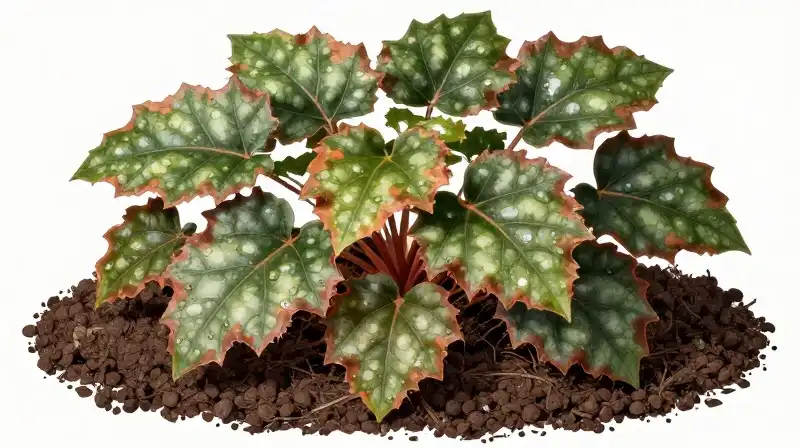
Successful establishment of a Heuchera caramel plant relies heavily on the foundation of its planting medium. These plants demand excellent drainage and a soil pH that remains neutral.
Before planting, the soil should be amended significantly. Incorporating a generous amount of organic matter is mandatory. This organic material helps retain moisture while simultaneously improving the structure of the soil, ensuring that water does not pool around the roots. Poor drainage is the primary factor that leads to root rot and eventual failure for this plant.
By mixing in compost or aged leaf mold, you create a supportive, nutrient-rich matrix that allows the Heuchera to establish strong root systems.
Seasonal Maintenance and Pruning
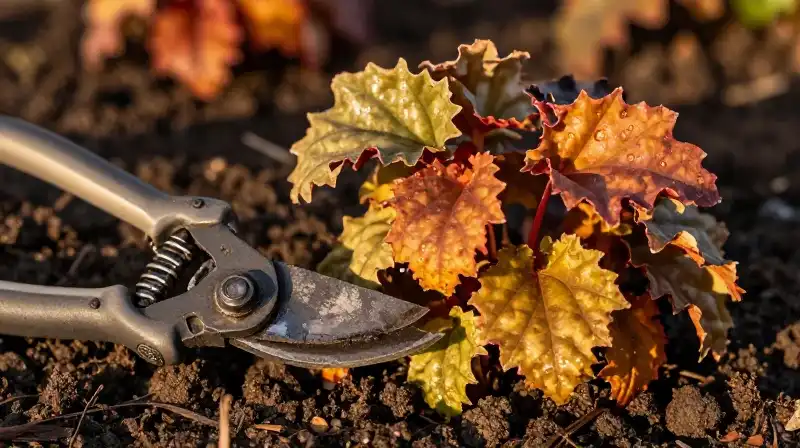
Heuchera caramel plants are relatively resilient, particularly in areas with mild winters where they can remain evergreen. However, proactive maintenance in early spring is key to maximizing foliage density and color.
As winter passes, remove any leaves that may have been damaged or died back during the colder months. This selective pruning serves a specific function: it stimulates the rapid emergence of new, vibrant foliage, allowing the plant to maximize its growth cycle for the season. This practice keeps the plant looking refreshed and healthy throughout its growth period.
Adaptability: Dealing with Salt and Stress
One of the practical advantages of the Heuchera caramel plant is its inherent adaptability to challenging landscapes. Beyond its resistance to certain chemical treatments, it demonstrates notable tolerance to environmental stressors.
- Juglone Resistance: Unlike many ornamental plants, Heuchera caramel is naturally resistant to Juglone. This makes it an excellent choice for landscaping beneath Black Walnut trees, where other plants would suffer from the toxin.
- Salt Tolerance: Its inherent salt tolerance allows it to thrive in coastal gardens or along areas where salt from salted pathways might drift onto the planting beds, making it a versatile choice for varied environments.
Preventing Freeze/Thaw Damage and Heaving
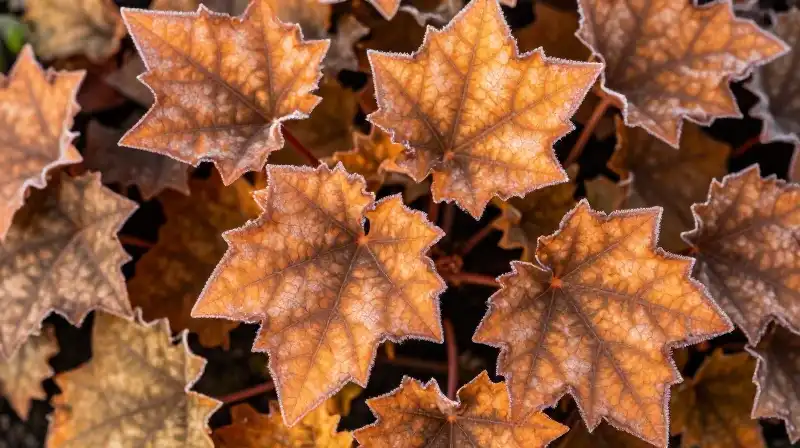
In regions that experience extreme freeze-thaw cycles, the risk of soil heaving around the root crown is a significant concern. To mitigate this potential damage, a specific seasonal practice is recommended.
In the autumn, apply an extra, deep layer of compost around the base and perimeter of the Heuchera roots. This acts as a protective insulation layer. If the roots do begin to heave during winter, they will establish a new, strong root system within this protective layer of compost during the warming spring, stabilizing the plant.
Practical Guide to Placement and Success
Before planting your Heuchera caramel coral bells, evaluate your site against the following criteria:
| Criterion | Ideal Condition | Reasoning |
|---|---|---|
| Light Exposure | Partial shade (Afternoon shade preferred) | Prevents color fading and scorching while maintaining vigor. |
| Soil Drainage | Excellent/Free-draining | Mandatory to prevent root rot, especially when incorporating organic matter. |
| Seasonal Prep | Compost mulch applied in fall | Protects against heaving in freeze/thaw climates. |
By meeting these foundational needs—providing well-drained, organically rich soil, offering protection from the harshest sun, and practicing mild seasonal maintenance—your Heuchera caramel plant will successfully transition from a starter to a vibrant, enduring feature in any garden design.
Explore more: Traditional Día de los Muertos: Symbols, History, and Custom
How to successfully grow and maintain Heuchera caramel
Prepare the planting medium
Before planting, ensure the site offers partial shade, preferably afternoon shade. Amend the soil by incorporating a generous amount of organic matter, such as compost or aged leaf mold, to ensure excellent drainage and a neutral pH.
Apply autumn protection
In the autumn, apply an extra, deep layer of compost around the base and perimeter of the Heuchera roots to act as an insulating layer and mitigate the risk of soil heaving during freeze/thaw cycles.
Perform seasonal pruning in spring
As winter passes in the spring, selectively prune and remove any leaves that may have been damaged or died back during the colder months. This practice stimulates the emergence of new foliage.
Related Articles