Growing Red Tip Photinia: Care, Conditions, and Pruning Tips

Introduction
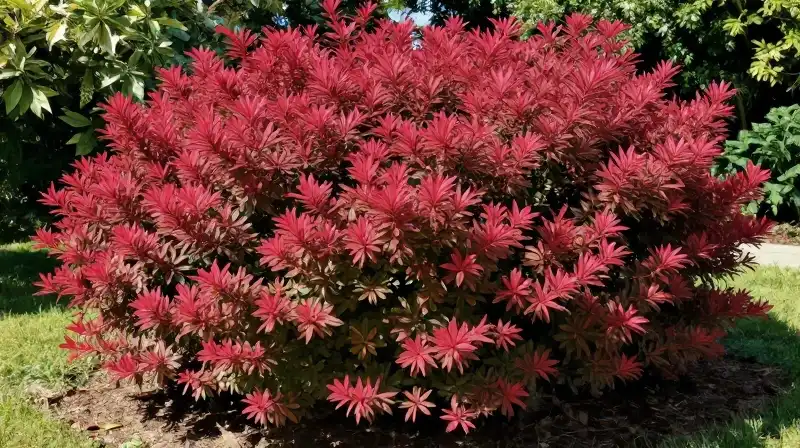
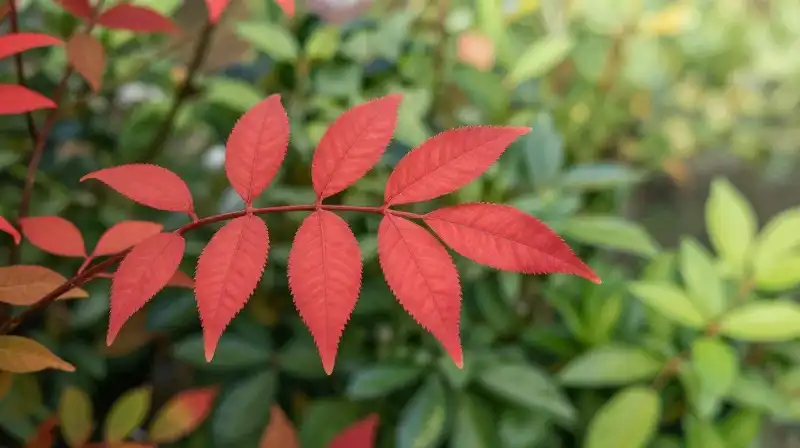
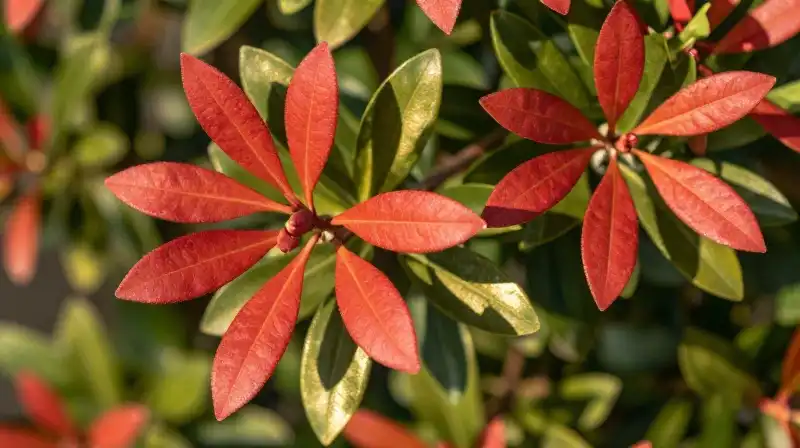
Red Tip Photinia, scientifically known as Photinia × fraseri, has become a go-to ornamental choice for achieving a vibrant, lush green wall. This fast-growing evergreen shrub is valued primarily for its ability to offer immediate privacy and visual separation. Its defining feature—new growth that flares a striking bronze-red before maturing into glossy green foliage—provides a captivating visual texture throughout the seasons.
To successfully integrate this plant into your landscape, understanding its specific requirements is critical. Red Tip Photinia is not merely a decorative plant; it is a workhorse designed to form dense, upright hedges and screens. Its success hinges on providing intense sunlight and maintaining sharp, intentional pruning.
Optimal Placement and Environmental Needs
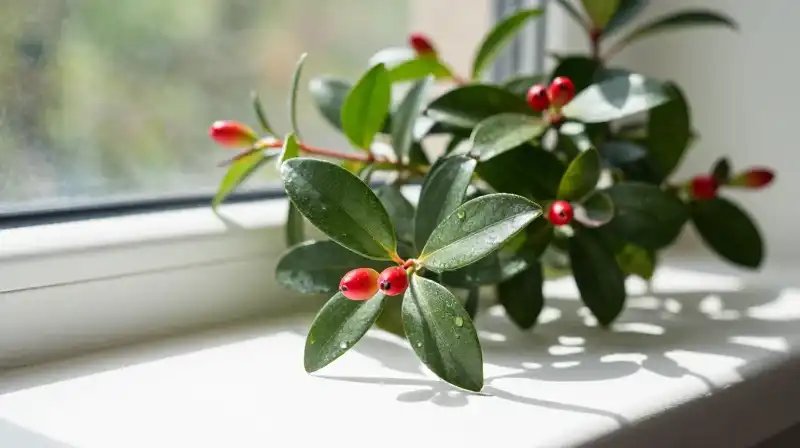
The health and visual intensity of Red Tip Photinia are highly dependent on its placement. While it is quite adaptable, it performs best when its conditions are specific. This hybrid thrives in a blend of strong sunlight and well-drained soil.
Sunlight and Climate
For the characteristic bright red coloration of the young leaves to develop fully, the plant requires full sun exposure, ideally receiving a minimum of six hours of direct sunlight daily. Placement in partial shade will still allow it to grow, but the visual “red tip” effect will be diminished. The plant is primarily suited for warm climates, thriving in USDA hardiness Zones 7 through 8. It can survive in Zone 6 only with significant cold protection.
Soil and Water Requirements
Red Tip Photinia prefers well-drained, loamy soil that tends to be naturally alkaline. Excellent drainage is non-negotiable, as poor drainage can quickly lead to root issues and exacerbate fungal problems. Once established, the shrub is moderately drought-tolerant and requires roughly one inch of combined rainfall and irrigation weekly during the growing season.
Strategic Pruning for Form and Airflow
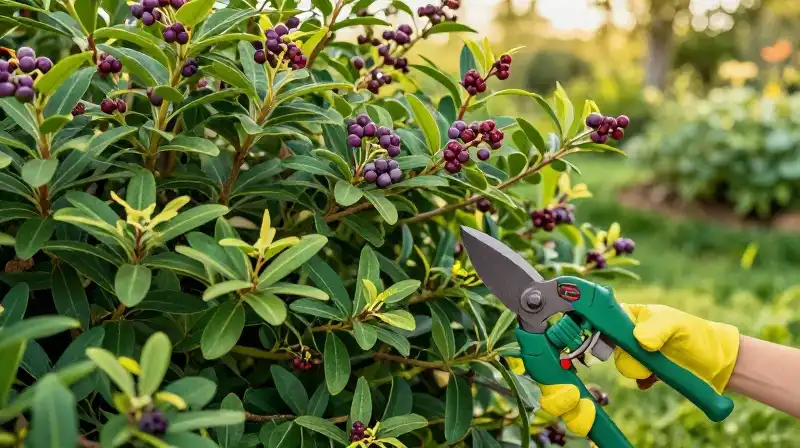
Because this shrub is intended for formal hedges and dense screening, regular, strategic pruning is essential. Pruning is not just about aesthetics; it is the most important factor in preventing disease and ensuring long-term health.
The goal of pruning is to maintain defined lines, promote dense canopy growth, and, most crucially, ensure proper airflow within the hedge. Dense foliage, while visually appealing, can become a breeding ground for fungal spores.
To maintain its shape, annual pruning is recommended, particularly during the winter dormant period. This practice allows the plant to regulate its internal structure and encourages consistent, thick growth rather than sporadic branching.
Maintenance and Growing Specifications
Growth Patterns and Mature Size
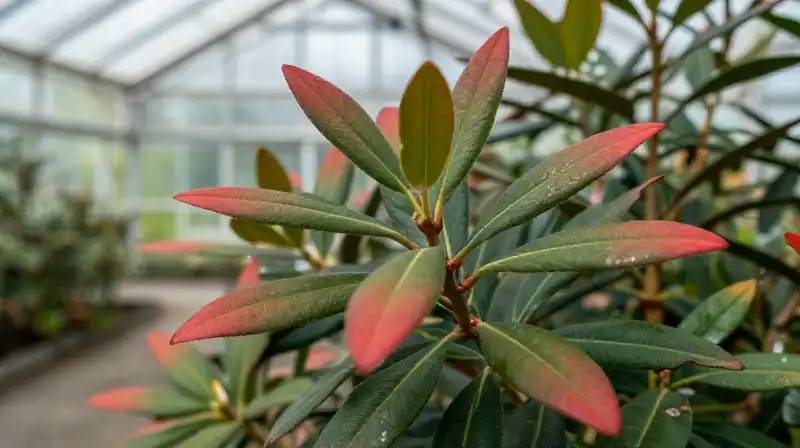
Red Tip Photinia is a vigorous grower. Mature specimens typically develop into shrubs or small trees reaching a height of 10 to 20 feet, with a spread ranging from 5 to 10 feet, depending on how tightly it is managed. Its robust root system helps it develop strong drought tolerance once it is fully established.
Watering and Fertilizing
Early in its life, the Red Tip Photinia requires consistent watering to develop a strong root system. Once established, water needs are moderate. A balanced, slow-release fertilizer applied during the spring is generally sufficient to support its vigorous growth. However, avoid over-fertilizing, which can encourage rapid, soft growth that is more susceptible to disease.
Propagation Notes
If you intend to propagate this hybrid plant, it is important to know that seeds do not germinate reliably. Successful propagation must be achieved through semi-hardwood stem cuttings.
Addressing the Challenges: Cons of Photinia
While Red Tip Photinia offers exceptional screening and vibrant color, potential buyers should be aware of its limitations and inherent maintenance demands. Identifying the “cons” of photinia helps manage expectations.
- Disease Susceptibility: The most significant challenge for Red Tip Photinia is its susceptibility to fungal diseases, notably leaf spot and powdery mildew. This is usually a direct result of insufficient pruning and poor air circulation.
- Long-Term Maintenance: To keep the hedge looking polished and maintaining its dense structure, consistent, disciplined pruning is required. This is not a low-maintenance plant.
- Toxicity and Wildlife: While generally manageable, Red Tip Photinia is toxic to horses, requiring careful management if the plant is situated near equine areas.
- Establishment Time: Because it is a large, vigorous shrub, it requires adequate time and consistent care to reach its full mature height and density.
Preventing Common Photinia Diseases
The constant fight against fungal diseases—the leaves spotting and powdery mildew—requires a proactive management approach:
The defense against fungal outbreaks relies on three key pillars:
- Ensuring Airflow: Use strategic pruning (as detailed in the previous section) to ensure the canopy is not overcrowded. Removing dense interior branches prevents moisture retention.
- Monitoring Environmental Conditions: Fungal growth thrives in high humidity and cool, wet conditions. Ensuring good drainage and managing irrigation carefully reduces this risk.
- Regular Inspection: Early detection is crucial. Inspect the foliage regularly for the telltale white film of powdery mildew or the brown spots of leaf spot to address the issue before it becomes widespread.
Success Criteria for Red Tip Photinia
To ensure your investment in Red Tip Photinia yields a dense, vibrant, and healthy hedge, focus on these three critical criteria:
| Priority | Requirement | Why it Matters |
|---|---|---|
| High | Full Sun Exposure | Optimizes the red coloration of new leaves. |
| High | Annual Strategic Pruning | Maintains density and ensures crucial air circulation to prevent mildew. |
| Medium | Perfect Drainage | Prevents root rot and keeps the growing environment healthy. |
By prioritizing sunlight, aggressive pruning, and impeccable drainage, you can maximize the density and beauty of Red Tip Photinia, transforming a simple shrub into a highly effective landscape feature.
Frequently Asked Questions
What are the cons of photinia?
Photinia is prone to fungal diseases such as leaf spot and powdery mildew, often caused by insufficient pruning or poor air circulation. Its drawbacks also include requiring consistent, disciplined long-term maintenance, needing time to reach full maturity, and being toxic to horses.
How to prevent common photinia diseases
Ensure Airflow
Use strategic pruning to ensure the canopy is not overcrowded, and remove dense interior branches to prevent moisture retention.
Monitor Environmental Conditions
Ensure good drainage and manage irrigation carefully, as fungal growth thrives in high humidity and cool, wet conditions.
Perform Regular Inspections
Inspect the foliage regularly for the telltale white film of powdery mildew or the brown spots of leaf spot to address the issue before it becomes widespread.
Related Articles