Ludwig Spaeth Lilac: Why This French Variety is a Gardeners Gem

Introduction
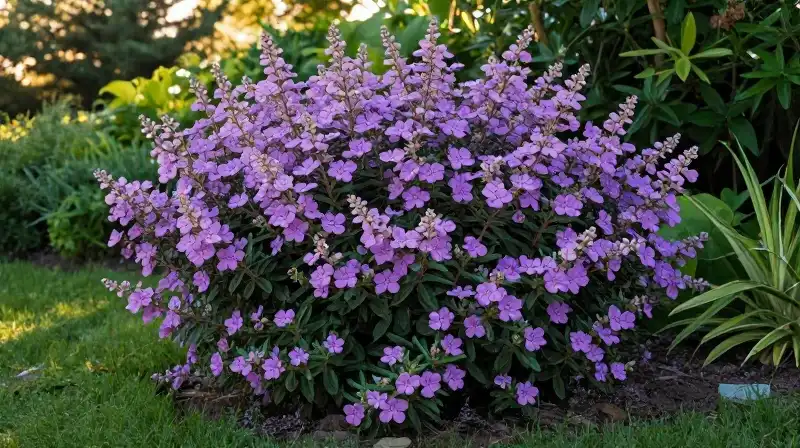
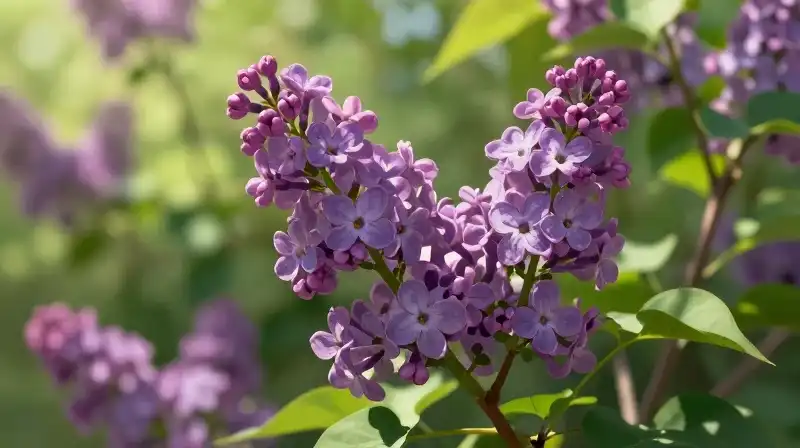
>The French Lilac ‘Ludwig Spaeth’ distinguishes itself in the floral landscape through a compelling combination of architectural contrast, deep pigmentation, and powerful fragrance. Unlike many common lilacs, this variety offers a distinct visual signature—featuring dark purple, single-form blooms set against foliage with a unique bluish-green tint. This combination makes the Ludwig Spaeth an exceptional choice for gardeners seeking a reliable specimen that provides high ornamental impact throughout the spring season. This specialized lilac is recognized for its suitability in a wide range of landscape applications, from dramatic specimen plantings to the delicate borders of cottage gardens. It excels where other, more generic lilacs might blend into the background, offering instead a sharp, captivating focal point that actively engages local wildlife.
Distinct Ornamental Characteristics
 >The primary appeal of the Ludwig Spaeth lies in its sophisticated color palette and structural integrity. The plant produces deeply saturated dark purple flowers, which tend to open as single blooms. This single-form structure allows the color and texture of the petals to stand out, offering a more elegant and less dense appearance compared to many multi-petaled varieties. The visual drama is significantly heightened by the foliage, which possesses a unique bluish-green hue. This cool undertone provides a striking, verdant backdrop that intensifies the dark purple of the blossoms. This contrast makes it an invaluable choice for design applications:
- Specimen Plant: Its unique coloration allows it to stand alone, acting as a dramatic focal point.
- Accent Plant: It functions beautifully when grouped with more delicate or contrasting flowers, such as roses or peonies, enhancing the depth of the landscape.
- Screen Plant: The sturdy habit and dense bloom capability make it effective for small-scale screen plantings or visual barriers.
Optimizing Ludwig Spaeth Placement
>To ensure the ‘Ludwig Spaeth’ flourishes, proper placement is crucial. As an ornamental shrub, it thrives in environments that support strong growth and vibrant coloration. Light and Location: The variety requires full, sunny locations to fully express its ornamental qualities. Adequate sunlight is essential for maximizing the intensity of the blooms and the signature bluish-green tone of the foliage. While it offers versatility, it performs best when given ample exposure. Landscape Utility: This lilac is highly adaptable to different garden styles:
- Borders: It adds height and drama to shrub borders, providing visual interest at the peak of spring.
- Cottage Gardens: Its robust nature and attractive fragrance make it perfectly suited for the layered, informal aesthetics of cottage plantings.
- Woodland Margins: It pairs well in semi-wild, managed spaces, contributing to a natural yet controlled habitat.
Growth, Climate, and Environmental Role
 >Understanding the plant’s biological needs helps in managing its expectations. The Ludwig Spaeth is active contributor to the garden’s micro-climate and ecosystem. Pollinator Attraction and Ecology: The attractive fragrance and rich floral display serve a crucial ecological function. The Ludwig Spaeth is highly effective at attracting native pollinators, including hummingbirds and butterflies. By providing both food (nectar) and potential shelter, it actively contributes to the local ecosystem, fulfilling the role of a productive native plant even if it is an ornamental species. Bloom Timing and Size: The lilac is known for its bloom time, which extends the spring floral display beyond the earliest and latest-blooming shrubs. Regarding size and growth rate, while specific measurements can vary by climate and pruning, it establishes itself as a reliable, medium-to-large ornamental shrub that maintains a manageable size suitable for defined garden spaces.
Practical Care and Maintenance for Optimal Bloom
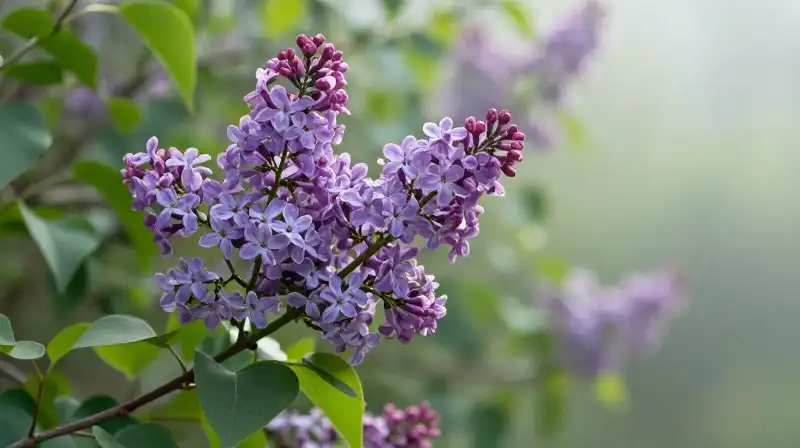 >While generally hardy, specific care practices will ensure the Ludwig Spaeth maintains its exceptional health and ornamental value. Sunlight and Water Management: Consistent watering, especially during dry spells, supports the development of robust, dark purple blooms. Ensure the soil is well-draining to prevent root issues, particularly in winter. Pruning for Shape and Longevity: Pruning after the main blooming period is necessary for health and future vigor. This controls the size of the shrub and encourages better structure. Avoid hard pruning immediately after flowering to ensure future buds are set. Soil Requirements: Lilacs generally favor slightly acidic soil. Maintaining good soil health, often through the addition of organic matter, supports the deep color of the blooms and the health of the foliage.
Decision Criteria: Is Ludwig Spaeth Right for Your Garden?
>Before selecting the Ludwig Spaeth, evaluate your landscape against its specific strengths. It is the ideal choice for gardeners who prioritize visual complexity and ecological function over simple, massive floral displays. | Feature | Ludwig Spaeth Advantage | Scenario Where It Excels | | :--- | :--- | :--- | | **Color** | Unique dark purple/blue contrast | Formal or Cottage gardens needing dramatic visual depth. | | **Form** | Single, elegant blooms | Designs where structure and individual flower impact are key. | | **Ecology** | High pollinator attraction | Gardens committed to supporting local wildlife. | | **Utility** | Border and Accent Plant | When needing a reliable, high-impact shrub in a defined space. | Practical Warning: Be mindful of its light needs. If your garden receives partial shade, the signature intense purple and the bluish-green foliage may appear muted or washed out. The best results are consistently achieved in full, uninterrupted sun.
Related Articles