Building the Perfect Potting Mix for Cactus and Succulents

Introduction
The survival of cactus and succulent plants hinges on one critical factor: their ability to manage water efficiently. Unlike common houseplants that thrive in consistently moist conditions, desert plants are adapted to arid environments where rapid water runoff is the norm. Using standard potting mixes designed for foliage will inevitably lead to water retention, suffocating the roots and causing irreversible rot. The goal of building the perfect potting mix for cactus and succulents is to mimic this natural habitat, ensuring maximum drainage, superior aeration, and minimal moisture holding capacity.
The Core Requirement: Why Drainage is Non-Negotiable
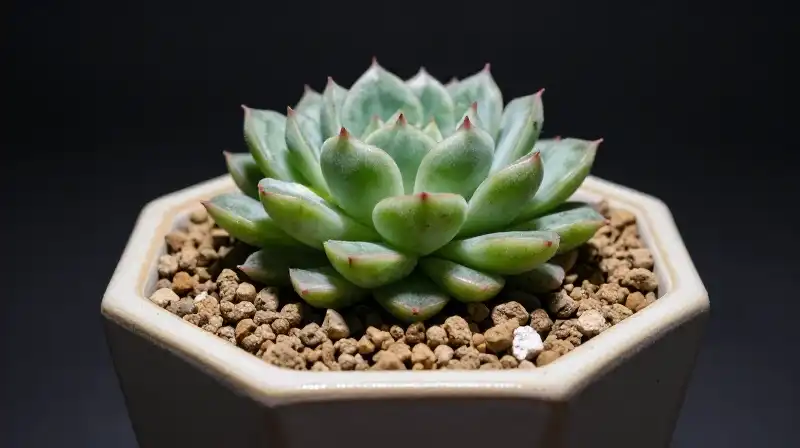 The primary function of a cactus soil mix is not to retain water, but to prevent it from pooling around the root ball. When water sits around a root, it deprives the plant of oxygen and creates the perfect environment for pathogenic fungi and rot. Therefore, the ideal substrate must be “friable”—meaning it can crumble easily, allow water to seep through quickly, and maintain large air pockets. This requirement dictates that the mix must prioritize porosity and permeability over moisture retention. While most generic potting mixes rely heavily on organic materials, the best blends strategically balance these with inorganic components that facilitate rapid drying. Avoiding perpetual dampness is the single most important step in preventing common issues like root rot and the proliferation of fungus gnats.
Building the Optimal Mix: Component Breakdown
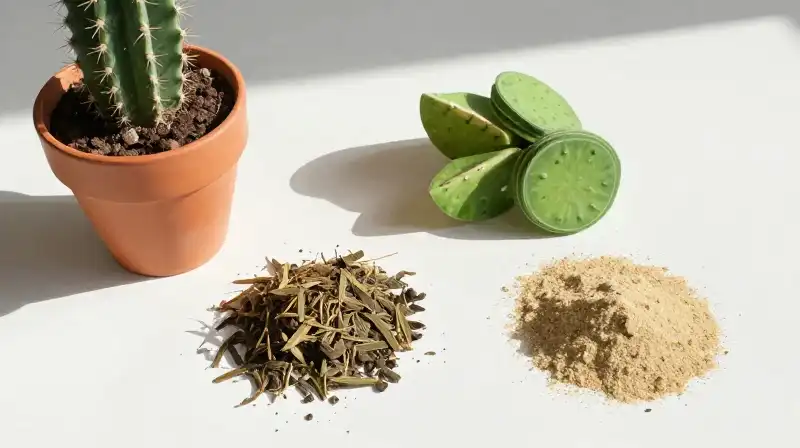 To achieve the structural integrity required for a successful arid environment, the mix must incorporate materials that serve specific, distinct functions. A truly specialized blend is a layered combination of components, each contributing to the final soil dynamics.
Elements for Porosity and Aeration
These materials act as the “pockets” within the soil, preventing the mix from becoming dense and compacted. This allows roots to expand and oxygen to penetrate the root zone.
- Horticultural-grade perlite: A volcanic glass that expands when heated, creating lightweight, porous pockets essential for drainage.
- Pumice: Similar to perlite but often more dense, pumice offers stable, permanent aeration and exceptional water flow.
- Coarse Horticultural Sand: This inorganic material provides foundational structure, though it must be large-grained to prevent the mix from becoming too dense.
Elements for Moisture Regulation and Organic Life
These components provide nutrients and act as the base of the mixture, but in specialized blends, their usage is moderated to prevent water retention.
- Peat Moss or Organic Substrates: While these provide natural nutrients, they are used in smaller proportions than in general gardening to ensure they dry out quickly.
- Composted Bark/Orchid Bark: High-quality bark offers structural integrity and helps slow excessive water movement slightly, providing a buffer.
Assembling Your Cactus and Succulent Soil
Most “DIY potting mix for cactus and succulents” recipes suggest a simple blending process. However, achieving professional-grade performance depends on the proportions, which must adapt to your specific climate and the size of your plants. While specific ratios can vary, a widely accepted foundational approach for superior drainage emphasizes a high content of inorganic, porous media:
- The Structural Base (40%): Start with your primary soil component—a blend of inorganic sand and peat moss.
- The Aeration Boost (40%): Add porous media such as perlite and pumice. This ensures excellent air pockets and rapid drainage.
- The Functional Support (20%): Include materials like coarse horticultural bark or commercial cactus mix. This stabilizes the blend and introduces minor organic nutrients.
This high ratio of porous media ensures the mix dries out faster than conventional mixes, which is the ultimate mitigation strategy against root rot.
Beyond Structure: pH and Biological Enhancement
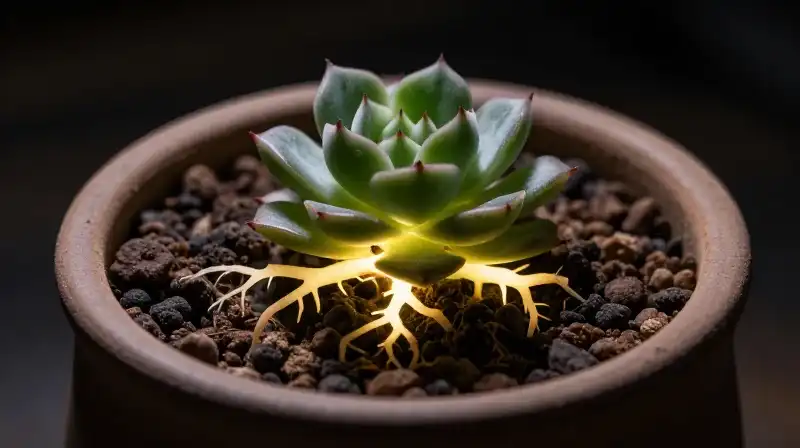 A successful mix is more than just structural; it must support a healthy biological environment for robust growth.
Balancing Soil pH
Cacti and succulents prefer slightly acidic to neutral soil conditions, often requiring a pH between 6.0 and 7.0. Over time, organic matter in the potting mix can become acidic. To counteract this and ensure nutrient availability, incorporating calcium and magnesium-based additives is highly recommended. Calcitic or dolomitic limestone can be mixed in small quantities to buffer the pH and improve the soil’s long-term health.
The Role of Mycorrhizal Fungi
Introducing mycorrhizal fungi to your mix is a sophisticated way to enhance plant health. These beneficial fungi form symbiotic relationships with plant roots, effectively extending the root system’s reach. This significantly enhances the plant’s ability to absorb nutrients and water from the immediate environment, leading to stronger, more resilient root development.
Specialized Growing Scenarios and Error Prevention
The optimal mix should be adaptable to various conditions, but certain scenarios require specific adjustments to avoid horticultural issues.
| Condition | Challenge/Risk | Mix Modification |
|---|---|---|
| Low Light/Indoors | Slow growth and potential for root compaction due to limited air movement. | Increase the volume of perlite or pumice by 10-15% to ensure high ventilation. |
| High Humidity | Increased risk of mold and fungal diseases if moisture is trapped. | Substitute more of the organic component with coarse, inorganic sand to maximize water flow. |
| Fertilizer Application | Fertilizer salts can build up and burn the sensitive roots. | Ensure the potting mix incorporates fine, well-aerated layers, which aid in the leaching of excess salts during watering. |
Choosing the Right Potting Mix for Your Needs
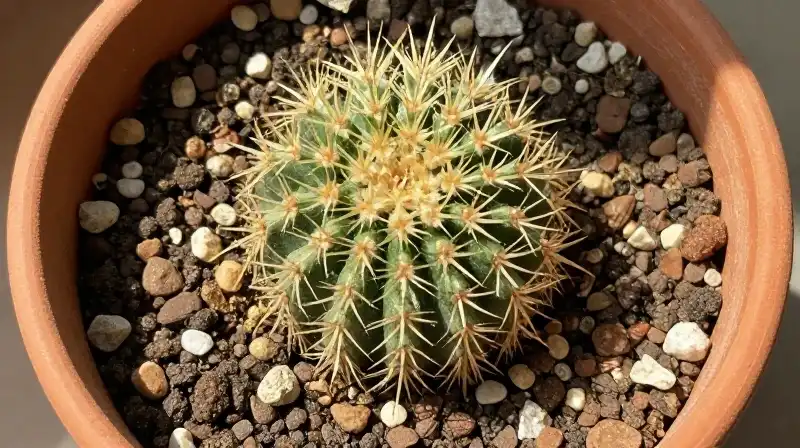 When deciding whether to create your own blend or purchase a pre-made potting mix for cactus and succulents, consider your gardening experience. If you prioritize guaranteed consistency, commercial blends often provide the necessary blend of porosity. However, if you are willing to customize, building your own mix allows for precise control over the proportion of porous media, ensuring a structure that perfectly meets the specific demands of your arid-environment plants. The decision ultimately rests on prioritizing fast drainage above all else. A high-quality, fast-draining mix is the most effective tool you possess for cultivating healthy, vigorous succulent growth while safeguarding them against the fatal risk of water retention.
Explore more: Traditional Día de los Muertos: Symbols, History, and Custom
Frequently Asked Questions
What potting mix do you use for cactus?
A foundational approach for a superior cactus mix emphasizes inorganic media for rapid drainage, incorporating 40% inorganic sand and peat moss, 40% perlite and pumice, and 20% coarse horticultural bark or commercial cactus mix.
How to Assemble Optimal Cactus and Succulent Soil
Prepare the Structural Base
Start by combining the primary soil components, which should constitute 40% of the final mix, utilizing a blend of inorganic sand and peat moss.
Add Aeration Boost
Add porous media such as perlite and pumice, making up 40% of the total volume to ensure excellent air pockets and rapid drainage.
Include Functional Support
Finally, include 20% functional support materials, such as coarse horticultural bark or commercial cactus mix, to stabilize the blend and introduce minor organic nutrients.
Related Articles