Miami Crape Myrtle: Growth, Size, and Perfect Landscape Uses

Introduction
The Miami Crape Myrtle is an exceptional, robust specimen sought after by landscape designers and dedicated gardeners alike. It is prized for its powerful structure, rapid growth, and ability to deliver dramatic, seasonal color with minimal fuss. If your landscape needs a versatile focal point that offers impressive height and thrives in diverse conditions, the Miami Crape Myrtle presents a compelling choice. This deciduous ornamental tree offers more than just beautiful pink blooms; it provides structural interest, crucial screening, and significant hardiness across wide climatic zones.
Understanding Miami Crape Myrtle Size and Growth
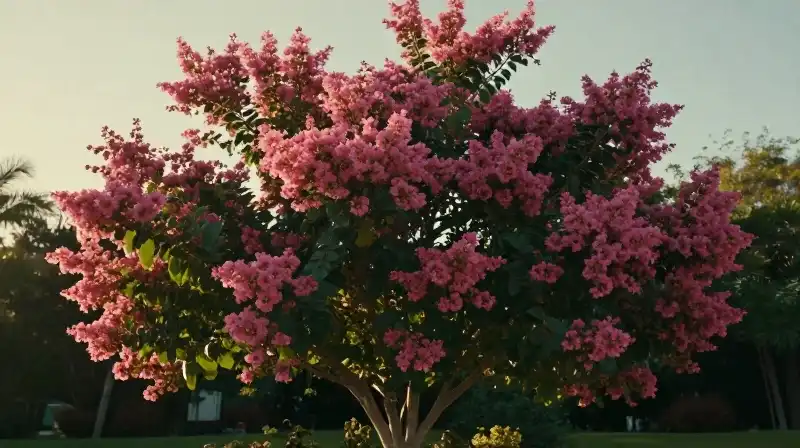
When considering any substantial ornamental tree, size is paramount. The Miami Crape Myrtle is known for its upright and powerful growth habit. In its mature state, this tree can exceed 25 feet in both height and width. This substantial stature makes it highly effective for large properties, providing a commanding presence in a backyard or along a major roadway.
Growth Characteristics and Rate
The tree is categorized as a fast-growing, vigorous species. While mature specimens can provide immediate visual impact, understanding its growth pattern allows for better planning. With consistent care, the Miami Crape Myrtle establishes itself quickly. However, for optimal health and maximum flowering potential, periodic fertilization during the spring and autumn supports its accelerated growth and robust foliage development.
Its natural resistance to common pests and diseases significantly contributes to its reliable, steady growth trajectory, making it a low-maintenance option once established.
Landscape Applications and Design Utility
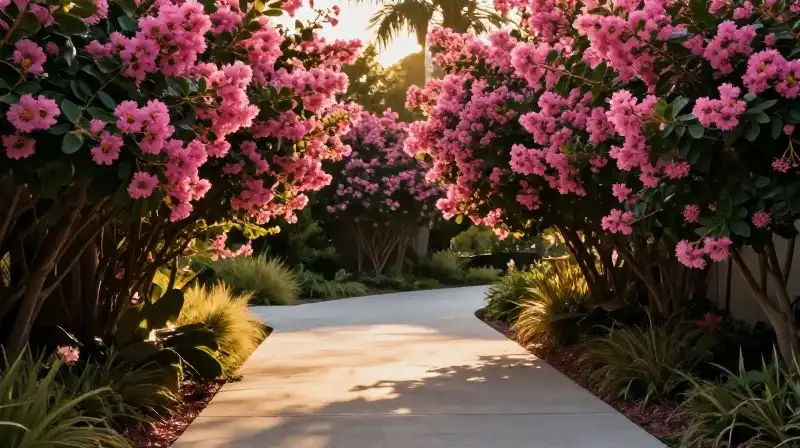
Due to its versatile size and aesthetic qualities, the Miami Crape Myrtle serves several critical roles within a landscape design, allowing it to be adapted to different property needs.
Privacy Screens and Hedges
For homeowners requiring definition and privacy, the Miami Crape Myrtle is an excellent choice for creating screens or living hedges. Its dense foliage, particularly when pruned, allows it to effectively block views while maintaining a natural, soft aesthetic. Because it is non-invasive, it is unlikely to cause damage to adjacent structures or neighboring plants.
Focal Points and Vertical Interest
In smaller areas or along walkways, the Miami Crape Myrtle functions beautifully as a dramatic focal point. The striking flowers—typically rich pink with subtle coral undertones—and the unique texture of its exfoliating bark (ranging from beige to brown) provide significant visual interest that lasts throughout the summer.
Shade and Year-Round Interest
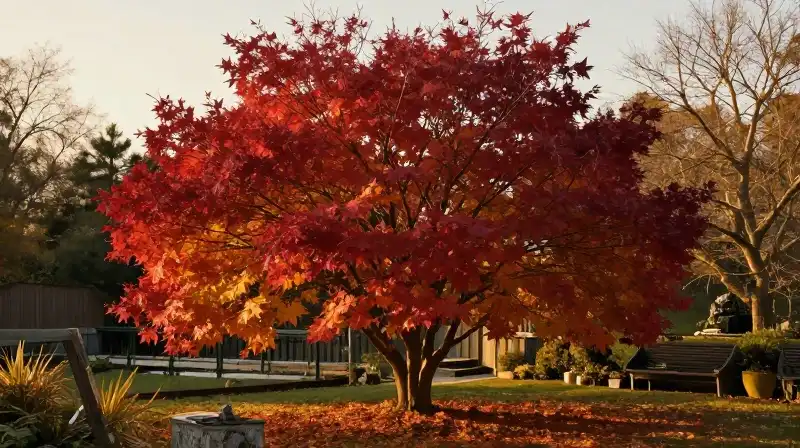
Once fully grown, the tree offers valuable shade. Furthermore, it provides year-round interest. The vibrant green leaves offer contrast, while the transition to yellow and gold fall foliage adds a beautiful, seasonal layer to the garden, extending its aesthetic value beyond the summer bloom period.
For homeowners asking what goes well with a Miami Crape Myrtle, pairing it with plants that have complementary textures—such as low, spreading groundcovers or structural shrubs with contrasting leaf shapes—can elevate the design.
Essential Care Requirements and Hardiness
The hardiness of the Miami Crape Myrtle is one of its greatest assets. It is highly adaptable and well-suited for urban environments and regions where water resources might be limited. However, its resilience comes with specific care needs to ensure it reaches its full potential.
Sun, Water, and Soil Needs
To achieve the optimal flowering and foliage production, the Miami Crape Myrtle requires full sun exposure, meaning a minimum of six hours of direct sunlight daily. While it is considered water-wise and tolerates dry conditions effectively once established, it still requires consistent moisture, especially during its first year of growth. It thrives in a variety of soil types, though well-draining soil is always preferred for best root health.
Climate Suitability and Zoning
The Miami Crape Myrtle is a hardy plant adaptable to a broad range of climates. It is ideal for USDA planting zones 6 through 10. Understanding your specific zone is crucial for managing expectations regarding dormancy and hardiness.
Maximizing the Beauty of the Bloom
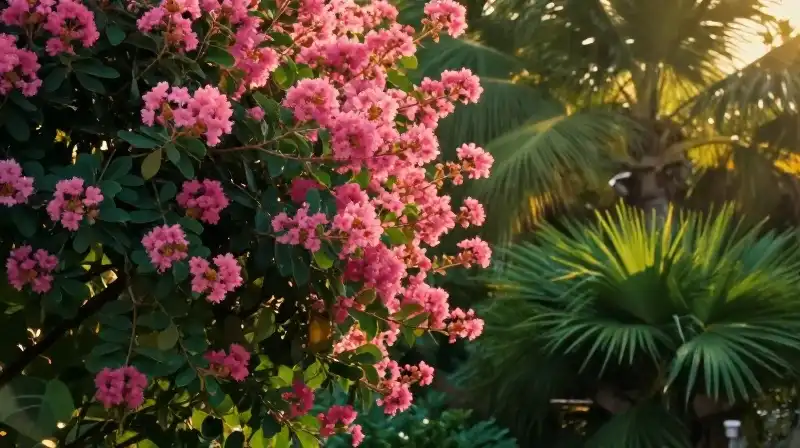
The floral display of the Miami Crape Myrtle is a spectacular event. The tree is known for producing dense clusters of flowers—usually vibrant pink or red—during the late summer and autumn months. This peak season is complemented by the unique structure of the plant.
The visual appeal is enhanced by several factors:
- Flowering: Dense clusters of bright pink or red blooms.
- Foliage: Bright green leaves providing a lush backdrop.
- Trunk Detail: Smooth, mottled light cinnamon-brown or beige exfoliating bark.
This combination of bright flowers, rich leaf color, and distinct bark allows the plant to maintain aesthetic value even outside of its peak blooming season.
Practical Decision Criteria for Planting
When making the final decision to incorporate the Miami Crape Myrtle into your landscape, consider these key points to ensure a successful planting experience:
- Space Assessment: Ensure the designated area can accommodate a mature height and spread exceeding 25 feet, particularly if using it as a central feature.
- Sun Mapping: Verify that the chosen location receives a minimum of six hours of uninterrupted, direct sunlight.
- Maintenance Commitment: While naturally resistant to mildew and pests, regular fertilization is recommended from spring through autumn to maximize both flower and foliage quality.
- Growth Expectations: Decide if you want immediate visual impact (through mature specimens) or are comfortable with the gradual development of a smaller, younger tree.
In summary, the Miami Crape Myrtle is a dependable, versatile, and dramatic choice for gardeners who prioritize hardiness, powerful form, and reliable seasonal color in their landscape.
Frequently Asked Questions
How tall do Miami crape myrtles get?
In its mature state, the Miami Crape Myrtle can exceed 25 feet in both height and width.
What goes well with myrtle?
Pairing the Miami Crape Myrtle with plants that have complementary textures, such as low, spreading groundcovers or structural shrubs with contrasting leaf shapes, can elevate the design.
How to Plant and Care for a Miami Crape Myrtle
Assess Space Requirements
Ensure the designated area can accommodate the tree's mature height and spread, which can exceed 25 feet.
Map Sunlight
Verify that the chosen location receives a minimum of six hours of uninterrupted, direct sunlight daily.
Prepare the Soil
Plant the tree in a variety of soil types, prioritizing well-draining soil for the best root health.
Manage Water Needs
Maintain consistent moisture, especially during the first year of growth, as it needs water for optimal health.
Apply Seasonal Fertilization
To maximize flowering and foliage quality, fertilize the tree regularly from the spring through autumn.
Related Articles