Mohican Viburnum Guide: Sun, Soil, and Growth Habits

Introduction
Viburnum lantana ‘Mohican’ is a compact, hardy shrub renowned for its drought tolerance and vibrant fall display. If you are considering this cultivar for landscaping, understanding its specific growth habits is essential for successful establishment. Generally, the Mohican Viburnum requires a setting with full sun to part shade and matures into a substantial, rounded form. Typically, this shrub reaches a mature height of 7 to 8 feet and spreads to a width of 9 to 10 feet. Its unique combination of leathery foliage and distinctive red drupes makes it an excellent choice for those seeking a low-maintenance, robust landscape plant.
Understanding Mohican Viburnum’s Growth and Form
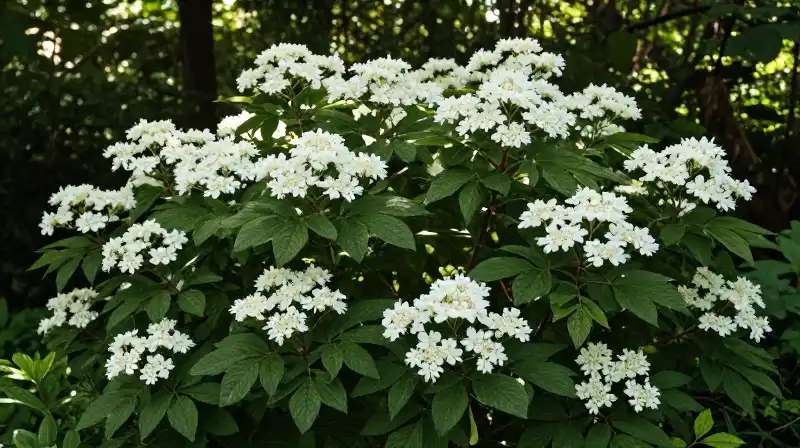
Mohican Viburnum is classified as a compact, deciduous shrub, meaning it loses its leaves in the winter. It does not maintain green foliage year-round, though its dark green leaves provide great texture during the growing season. Its natural tendency to be self-seeding allows it to spread, which can be beneficial for naturalization but requires management if you want to maintain a controlled shrub form. This inherent adaptability makes it a resilient fixture in many parts of the United States.
The shrub thrives in the following spatial conditions:
- Sun Exposure: Full sun to part shade. It performs best in areas that receive significant daily light.
- Growth Habit: Deciduous and self-seeding, naturally developing a sturdy, rounded structure when left to grow.
- Size: Average mature height is 7–8 feet, with a canopy width of 9–10 feet.
Soil and Environmental Requirements for Optimal Health
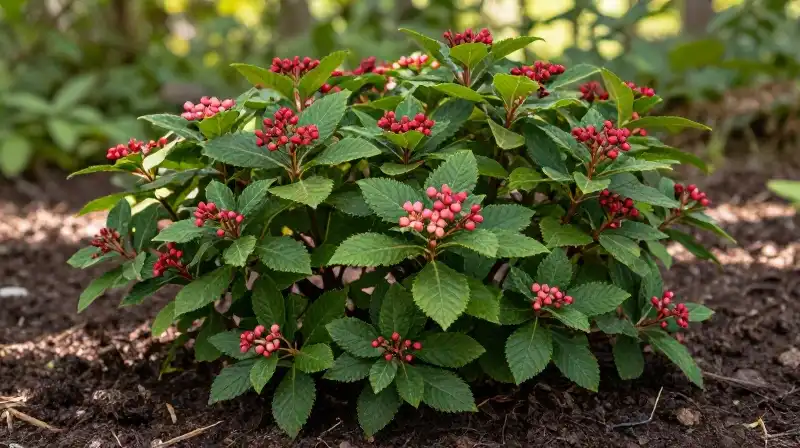
One of the most valuable attributes of the Mohican Viburnum is its ability to handle challenging soil conditions, particularly once it is established. Unlike many shrubs that require rich, consistently moist soil, Mohican is highly tolerant of dry conditions, which makes it well-suited for xeriscapes and water-wise gardening.
Crucial environmental factors for success include:
- Soil Type: It requires well-drained soil. Poor drainage can lead to root issues.
- Soil pH: The plant is tolerant of alkaline soil, giving it a natural advantage in regions with higher pH levels.
- Water Needs: While it is highly drought-tolerant after establishment, young plants need consistent watering until their root system is fully developed.
- Root Tolerance: Its deep root system allows it to withstand dry, compacted, or sandy conditions that might be difficult for other ornamental trees.
Seasonal Highlights: Flowering and Foliage Changes
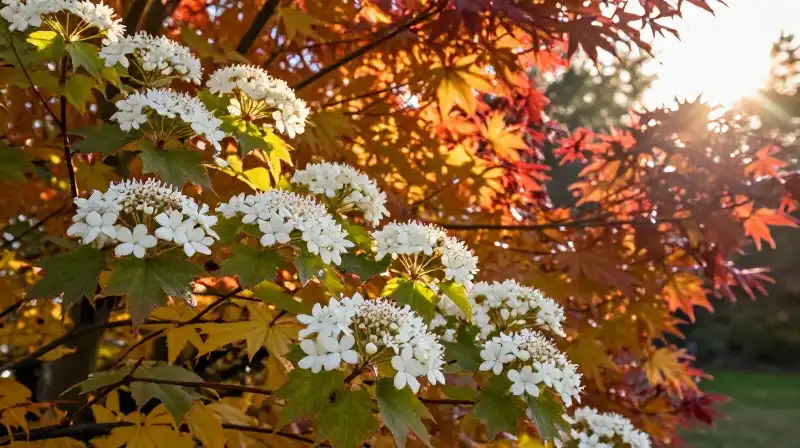
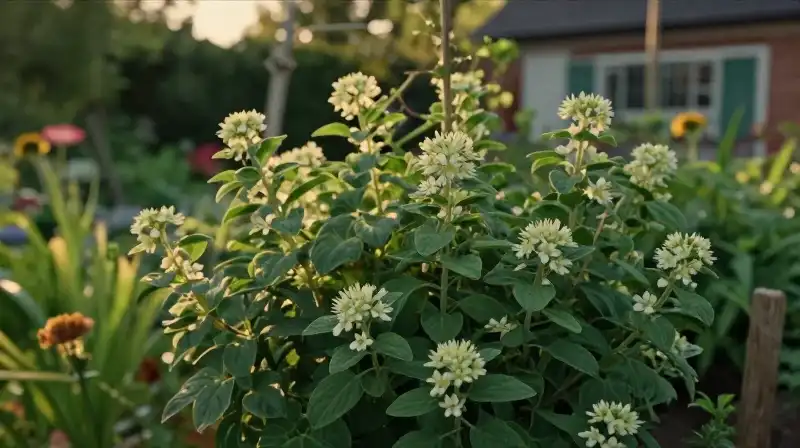
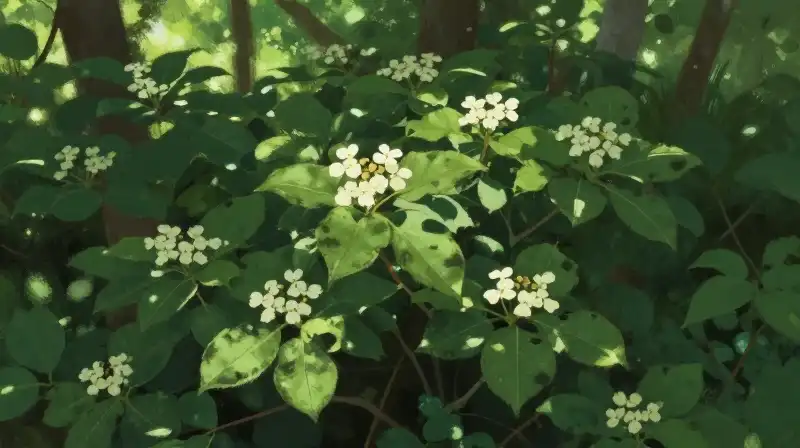
The plant provides visual interest throughout the year, though its peak beauty occurs in the spring and fall. The early season is marked by the appearance of small white flowers, clustered in flat-topped arrangements that grow up to 3–5 inches in diameter. The spring flowering season is followed by the production of striking, berry-like drupes. These bright red fruits are prominent for about a month and are beneficial to local wildlife.
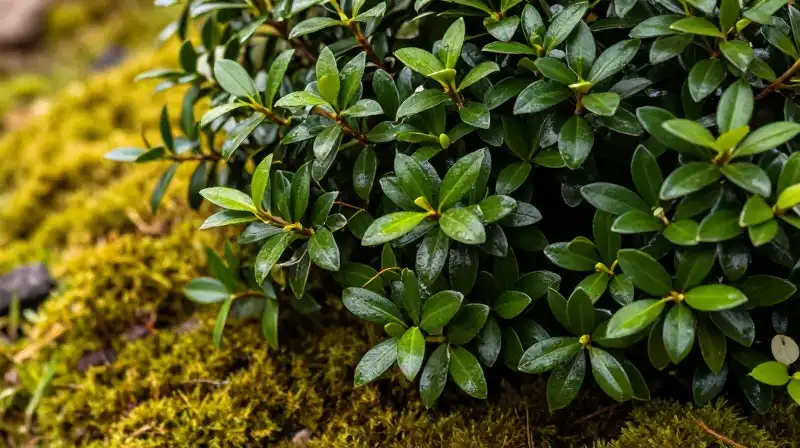
As the year progresses, the dark green, leathery foliage of the Mohican Viburnum changes significantly, exhibiting rich purplish-red tones in the autumn. This seasonal transition creates a stunning visual contrast, making the shrub a highly valued landscape accent during the cooler months. Because fruit production is most effective when the shrub is grouped with others, planting in clusters can maximize natural cross-pollination.
Pruning and Maintenance Strategies
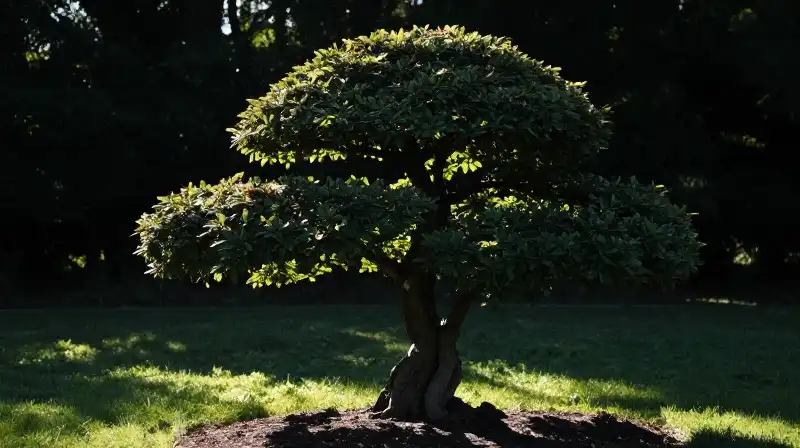
Proper maintenance is critical to maintaining a desirable shape and encouraging future blooms. The natural growth habit of the Mohican Viburnum often requires intervention to keep it manageable, especially if it begins to self-seed aggressively.
Key maintenance tasks include:
- Pruning Timing: Pruning should be performed immediately following the flowering season. Pruning at other times, particularly during the summer, can accidentally cut off future buds that develop during that period.
- Shape Control: If you prefer a more formal, structured shrub, you must manage its natural 7–10 foot spread through regular trimming.
- Health Check: The plant’s thick, leathery leaves are naturally resistant to some diseases, but establishing a routine check for any signs of stress, such as yellowing or browning, is recommended.
Evaluating Mohican Viburnum for Your Landscape
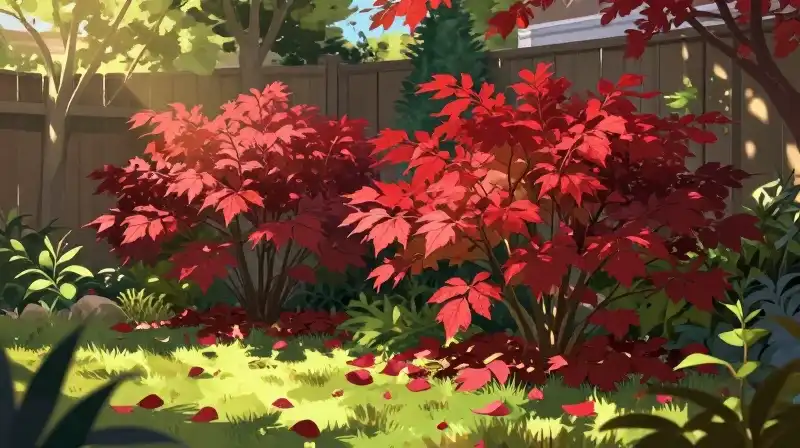
Choosing the Mohican Viburnum for your garden depends heavily on your specific needs for maintenance and landscape style. It excels in environments where other plants might struggle due to drought or alkaline conditions. However, its size—reaching up to 10 feet in width—means it requires a relatively large footprint in your design. Before purchasing, evaluate if the space can accommodate its full, mature spread.
To summarize the suitability of the plant, consider these practical decision criteria:
| Criteria | Mohican Viburnum Performance | Application Scenario |
|---|---|---|
| Drought Tolerance | High (Excellent once established) | Xeriscapes and low-water gardens |
| Soil pH Adaptation | Tolerant of alkaline soil | Limestone or naturally high-pH gardens |
| Maintenance Needs | Low (Resistant and self-healing) | Low-input, long-term garden design |
| Space Requirement | Large (7-8ft tall x 9-10ft wide) | Established borders or as a focal shrub |
The Mohican Viburnum is a highly durable, architectural plant, but its large mature size demands a deliberate placement in your landscape design.
Frequently Asked Questions
How big do Mohican viburnums get?
Mohican Viburnums typically reach a mature height of 7 to 8 feet and spread to a width of 9 to 10 feet.
Is Mohican viburnum sun or shade?
Mohican viburnum requires a setting with full sun to part shade. It performs best in areas that receive significant daily light.
Is Mohican viburnum evergreen?
Mohican Viburnum is classified as a compact, deciduous shrub, meaning it loses its leaves in the winter and does not maintain green foliage year-round.
How to Maintain and Prune Mohican Viburnum
Perform Pruning at the Correct Time
Pruning should be executed immediately following the flowering season. Avoid pruning during the summer, as this can accidentally cut off buds developing during that period.
Control the Shrub's Shape
If you desire a more formal or structured shrub, you must manage its natural 7–10 foot spread through regular trimming.
Conduct Routine Health Checks
Establish a routine check for any signs of stress, such as yellowing or browning, despite the leaves' natural resistance to most diseases.
Related Articles