Golden Yarrow Guide: Successful Planting and Weed Control Tips

Introduction
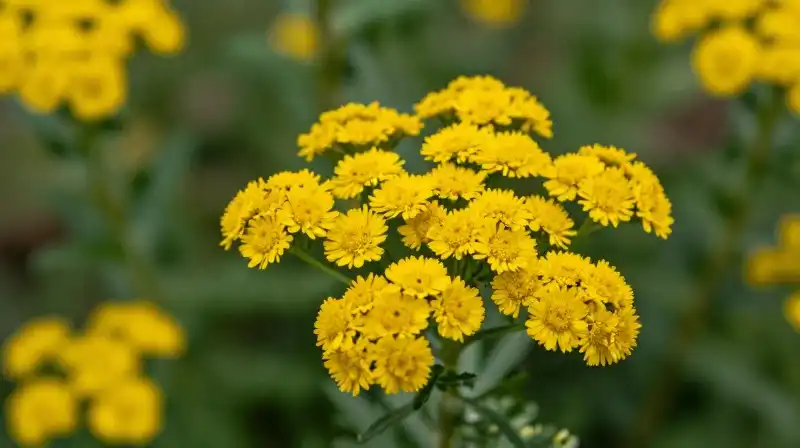
Coronation Gold Yarrow, scientifically known as *Achillea filipendulina*, is a valuable perennial native to North America, valued both for its stunning golden blooms and its adaptability in gardening. Successful cultivation goes far beyond merely sowing seeds; it requires specific environmental conditions and, critically, proactive soil preparation. If you aim for a robust, healthy display, understanding the best techniques for planting and preventing competition—especially weed control—is essential. This guide provides the practical steps necessary to ensure your Golden Yarrow thrives, from choosing the right timing to managing soil life.
Understanding Golden Yarrow: More Than Just a Yellow Flower
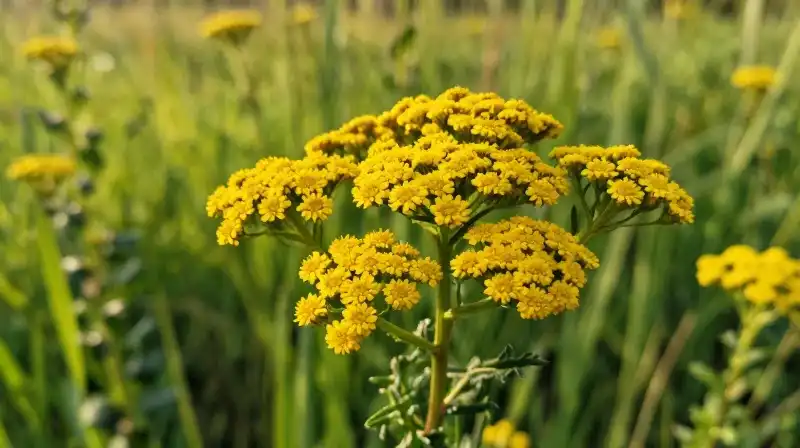
While commonly recognized as a beautiful, sun-loving perennial, Golden Yarrow is useful in several practical ways, encompassing both horticulture and traditional remedies. As a member of the Asteraceae family (specifically related to the Yellow Yarrow, *Eriophyllum confertiflorum*), it contributes significantly to a North American landscape, particularly those native to California and Baja California.
Regarding its benefits, Golden Yarrow is celebrated for its versatility:
- Horticultural Appeal: It provides long-lasting, cheerful yellow flower heads and is known for its fast growth.
- Habitat Support: It serves as an excellent, drought-tolerant plant for meadows and native gardening.
- Medicinal Uses: Historically, Yellow Yarrow has been used in various traditional practices for health applications, though modern advice suggests consulting a professional before use.
Optimal Planting Conditions and Timing
To maximize the success of planting Golden Yarrow, managing light, water, and temperature is paramount. The plant requires a specific set of conditions to flourish and produce the best growth.
Key requirements include:
- Light: It needs full, direct sun exposure.
- Soil Drainage: The soil must be well-draining, allowing excess moisture to pass through.
- Climate: Cool temperatures are necessary for proper germination.
- Sowing Window: Ideal planting should occur between late September and early February, aligning with the cooler parts of the year.
Once established, Golden Yarrow is resilient and requires minimal watering, needing only about two times a month during the peak summer heat.
Advanced Weed Control: A Multi-Step Preparation Strategy
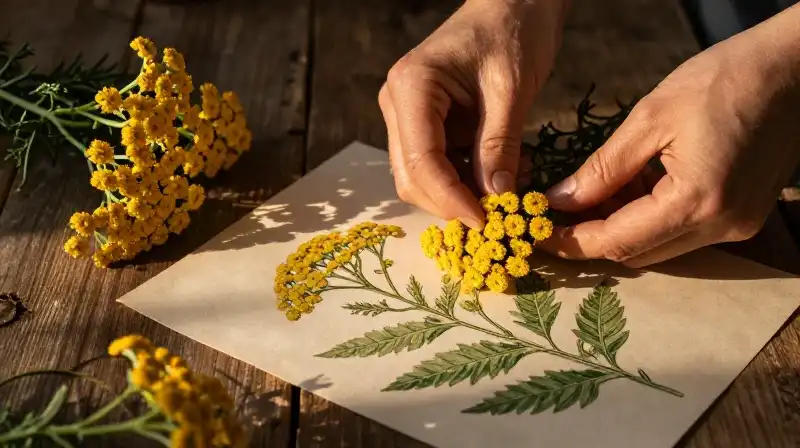
Before sowing any seeds, meticulous weed control is not just recommended—it is a prerequisite for successful Golden Yarrow establishment. Many gardeners overlook the subterranean competition that can kill young sprouts, and standard surface weeding is rarely enough.
A practical, high-value approach for achieving truly optimal soil conditions involves a specific repetitive cycle:
- Identify and Initial Pull: Remove all visible weeds from the growing area.
- The Flushing Technique: Irrigate the entire planting area thoroughly. This “flushing” step is designed to encourage dormant weed seeds that are hidden beneath the soil to germinate.
- Observation and Removal: Allow adequate time for weeds to sprout after the flush. Once visible, manually remove them completely.
- Repeat: This entire cycle (flushing, waiting, and manual removal) should be repeated approximately two to three times.
This thorough, repetitive preparation minimizes future competition for resources, ensuring the delicate seedlings of Coronation Gold Yarrow have the best chance to thrive.
Maintaining Golden Yarrow Health Post-Planting
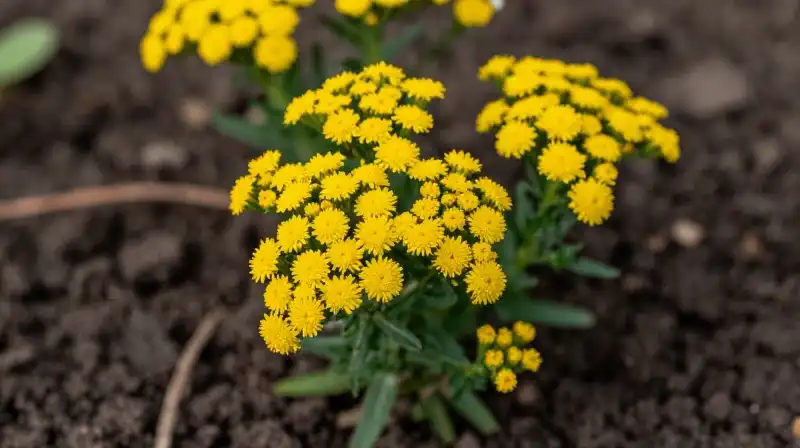
With the soil prepped and the seeds sown, continued maintenance focuses on sustaining the plant’s vitality. While Golden Yarrow is robust, its success depends on appropriate environmental management.
Keep these practical tips in mind:
- Soil Quality: The foundation of healthy Golden Yarrow is the well-drained, weed-free soil achieved through the preceding steps.
- Water Conservation: While the plant is drought-tolerant, consistent moisture during the initial germination phase is critical.
- Patience: Allowing the necessary time for the seeds to germinate and establish is just as important as the planting itself.
Practical Synthesis for Success
Achieving a vigorous Golden Yarrow garden requires combining the correct timing with detailed, proactive soil care. The most critical step—setting yourself apart from generic gardening advice—is the intentional, repeated “flushing” of the planting area. This goes beyond surface cleaning; it addresses the hidden competitive threats that dormant seeds pose. By honoring the specific sowing window of late September through early February, ensuring your soil is perfectly prepared through the flushing and removal cycle, and providing consistent sun, you significantly increase the likelihood of a spectacular display from your Golden Yarrow plants.
Frequently Asked Questions
What is golden yarrow good for?
Golden Yarrow is valued for its horticultural appeal, offering long-lasting yellow flowers and fast growth, while also serving as an excellent drought-tolerant plant for native meadows. Additionally, it has historical records of traditional medicinal uses for various health applications.
Advanced Weed Control for Golden Yarrow Planting
Identify and Initial Pull
Remove all visible weeds from the growing area.
The Flushing Technique
Irrigate the entire planting area thoroughly. This step is designed to encourage dormant weed seeds hidden beneath the soil to germinate.
Observation and Removal
Allow adequate time for weeds to sprout after the flush. Once visible, manually remove them completely.
Repeat the Process
Repeat this entire cycle (flushing, waiting, and manual removal) approximately two to three times until the soil is optimally prepared.
Related Articles