Paeonia Shirley Temple Care: Growing Guide, Requirements, and Tips

Introduction
The Paeonia Shirley Temple is a beloved midseason peony known for its magnificent, large, double blossoms. If you are looking to incorporate dependable beauty into your garden, this cultivar offers a reliable display of lush foliage and dramatic, rose-shaped flowers. However, achieving the full potential of this prized peony—including robust blooms and long-term health—requires specific attention to its unique environmental and structural needs. This guide outlines the precise requirements for successful cultivation, focusing on how to manage the Shirley Temple from planting through peak bloom.
Understanding the Paeonia Shirley Temple Cultivar
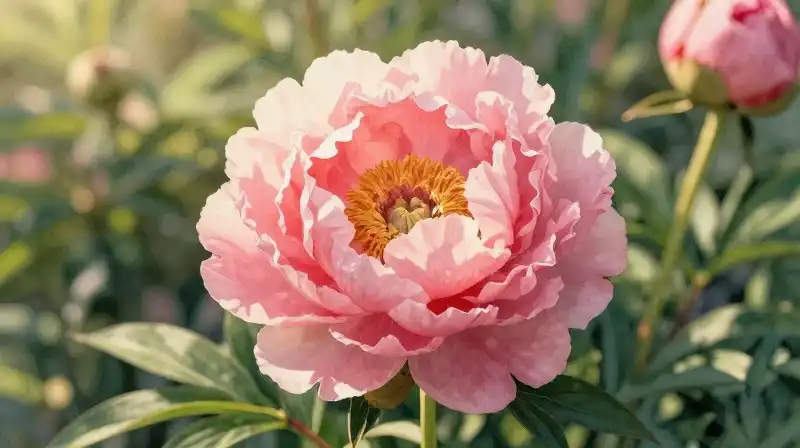
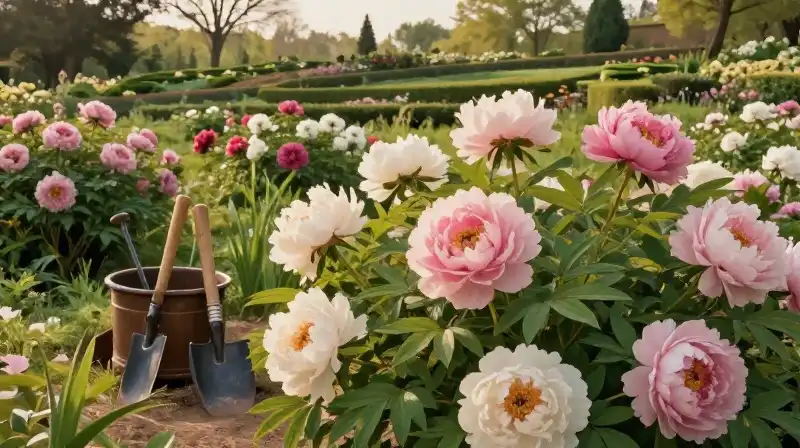
The Shirley Temple belongs to the herbaceous peony group and is distinguished by its remarkable flower progression. These midseason peonies develop sizable, opulent blooms that transition beautifully from pale blush pink to a crisp ivory. This color shift, along with its complex, double structure, makes it highly sought after for both borders and specimen planting.
Key Characteristics for Garden Planning
- Bloom Type: Large, double, rose-shaped flowers.
- Bloom Timing: Midseason, typically blooming late spring through early summer.
- Duration: Blooms generally last between 7 and 10 days per display.
- Growth Habit: Forms a dense, bushy mound.
- Mature Size: The plant can reach heights of 32–36 inches and develops glossy, divided foliage that remains decorative well into the summer and fall.
Optimizing Growing Conditions for Peak Performance
A foundational understanding of the Shirley Temple’s requirements ensures that the plant has the energy to produce its dramatic flowers. It requires specific conditions regarding light and soil structure to prevent common issues like ‘peony wilt.‘
Light and Temperature Requirements
This cultivar requires substantial light exposure to thrive. While it can tolerate partial shade, placing the Paeonia Shirley Temple in full sun is strongly recommended. The plant needs warmth and adequate exposure to develop its rich, healthy foliage and maximize its flowering potential.
Soil and Drainage Requirements
Success hinges on the soil type. Peonies prefer rich, fertile soil, but the most critical factor is proper drainage. Because the Shirley Temple can be susceptible to issues like honey fungus, ensuring the soil is well-drained is paramount. A balanced, organic mix helps retain the necessary nutrients while preventing root rot.
The Cultivation Timeline: Planting and Establishment

The timing of planting is one of the most important decisions a gardener can make when introducing the Paeonia Shirley Temple. Since this is a perennial that requires a significant period of establishment, patience is required for optimal results.
Strategic Planting Time
Planting in the early fall is the recommended approach for the Paeonia Shirley Temple. This gives the root system ample time to settle and establish itself before the onset of winter dormancy. Remember, this peony requires up to two years to produce its first blooms, so choosing a new variety requires a long-term perspective in garden design.
Spatial Requirements
Given its bushy habit and eventual height (32–36 inches), adequate spacing is necessary to allow for air circulation, which helps prevent common fungal diseases. The plant’s size, often sought by those researching “Shirley temple peony size,” means you should allow ample room around the crown for future growth and maintenance.
Maintaining Health and Supporting Large Blooms
Once established, the Shirley Temple requires specific care to ensure its large, heavy blossoms do not become damaged and that the foliage remains vigorous through the growing season.
The Need for Staking
Because the Paeonia Shirley Temple produces large, heavy, and often arching flowers, staking may become necessary as the plant matures. Using soft, supportive ties can prevent the weight of the blossoms from pulling the stems or stressing the root system, thereby ensuring the longevity of the display.
Ongoing Health Monitoring
Regular garden checks are crucial. Monitor the foliage for early signs of potential issues such as peony wilt or visible fungal growth (like honey fungus). While the Shirley Temple is generally resistant to most common pests, proactive monitoring is the best defense. Furthermore, the plant is highly versatile, making it suitable for both informal hedging and specimen planting, provided its growth is maintained.
Important Considerations and Safety Warnings

While the Paeonia Shirley Temple is a resilient and reliable addition to the landscape, it is not without limits and specific risks that must be managed by the homeowner.
Toxicity and Pet Safety
It is essential to note that the Paeonia Shirley Temple is toxic to certain animals. All garden visitors, particularly dogs, cats, and horses, should be made aware of this hazard. Proper containment and awareness are necessary when planning garden access.
Summary of Care Essentials

Cultivating a successful Paeonia Shirley Temple relies on a few key principles: timing, drainage, and support. By following these guidelines, you maximize the chances of enjoying a decade or more of these dramatic blooms.
- Timing: Plant in early fall and allow two full years for the first bloom.
- Conditions: Ensure full sun exposure and rich, well-drained soil.
- Structure: Be prepared to provide staking to support the large, arching flowers.
- Safety: Be mindful that the plant is toxic to dogs, cats, and horses.
Explore more: Triquetra Meaning: Unpacking the Symbol of the Celtic Knot T
Frequently Asked Questions
Does the Peony Shirley Temple need staking?
Staking may become necessary as the Paeonia Shirley Temple matures due to its production of large, heavy, and often arching flowers. This support can prevent the weight of the blossoms from stressing the root system.
How to Cultivate the Paeonia Shirley Temple
Select the Optimal Location and Soil
Place the Paeonia Shirley Temple in full sun. Ensure the planting area is filled with rich, fertile soil that is well-drained to prevent root rot and fungus.
Plant Strategically
Incorporate the Paeonia Shirley Temple into your garden during the early fall. This allows the root system sufficient time to settle and establish itself before winter dormancy.
Ensure Proper Spacing
Allow ample room around the plant's crown to accommodate its bushy habit (up to 36 inches) and allow for crucial air circulation to prevent fungal diseases.
Allow Time for Establishment
Be patient, as this perennial requires up to two full years to produce its first robust blooms.
Monitor for Health Issues
Conduct regular garden checks to monitor foliage for early signs of peony wilt or any visible fungal growth, such as honey fungus.
Provide Structural Support
As the plant matures and develops its large, arching blossoms, use soft, supportive ties or staking to prevent the weight of the flowers from damaging the stems or stressing the root system.
Related Articles