Parvifolia Eucalyptus: Botanical Profile and Essential Care Guide

Introduction
Eucalyptus parvifolia, commonly known as Parvifolia Eucalyptus, is a specialized small-leaved gum highly valued in floral design for its unique texture and soft, persistent foliage. It is recognized for its resilient nature and a striking visual transition during its growth cycle. This guide provides a botanical profile and essential instructions for buyers to ensure they understand what to expect from the plant, how to handle its natural variations, and how to maintain its health after delivery.
What is Parvifolia Eucalyptus?
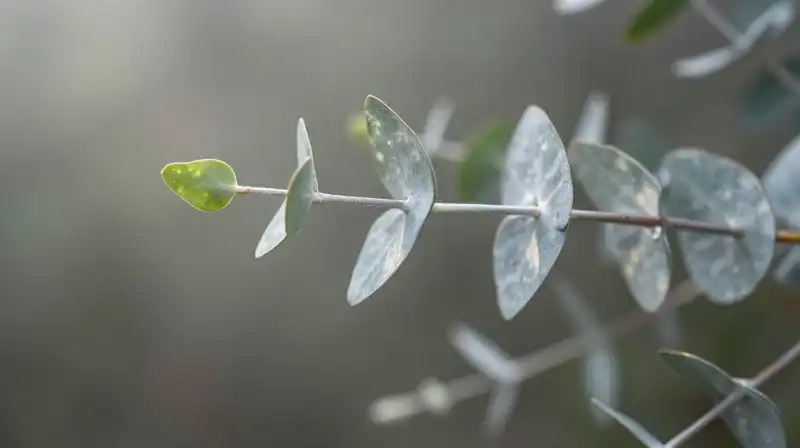
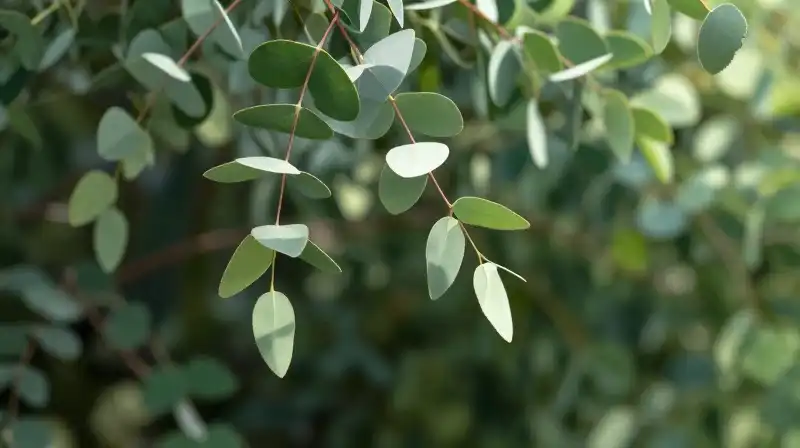
As a member of the Eucalyptus family, *Eucalyptus parvifolia* (syn. *E. parvifolia*) is characterized by its highly distinctive leaf structure. Unlike many Eucalypts, this species maintains juvenile foliage that is permanent, allowing it to be used effectively in arrangements.
The defining trait of Parvifolia Eucalyptus is the dramatic shift in leaf characteristics as the plant matures:
- Juvenile Foliage: These leaves are smaller, opposite, bluish in tone, and typically measure no more than one inch in length. This persistent, bluer look is often the most requested feature for floral fillers.
- Mature Foliage: As the plant ages, the leaves expand to become larger (around 2.5 inches), narrower, and lose the intense bluish hue of the young leaves. This contrast in size and shape is key to identifying the tree.
Beyond the leaves, the bark of the tree itself is characterized by a smooth, leathery, leaden-gray appearance that naturally peels away in long strips. Native to environments where they are adapted to resist nightly frosts and periods of insufficient sunlight, the plant demonstrates significant resilience.
Navigating Purchase and Availability
Because *Parvifolia eucalyptus* is a natural botanical product, potential buyers should be aware of specific logistical and aesthetic nuances. The availability of this greenery is subject to external factors such as weather patterns and overall market supply.
When purchasing, buyers should understand the following operational policies:
- Natural Variation: Due to the organic nature of the plants, minor variations in the exact color tones of the greenery are possible and inherent to the species.
- Substitutions: Suppliers work to match the original flower choice, but in scenarios where supply is limited or a supplier cannot establish contact, a substitution may occur. This may involve replacing an item with a higher-value alternative to ensure product quality and timely shipment.
- Market Fluctuations: Both product pricing and the composition of available packages are dynamic and may change based on fluctuating market conditions.
Essential Care Post-Delivery
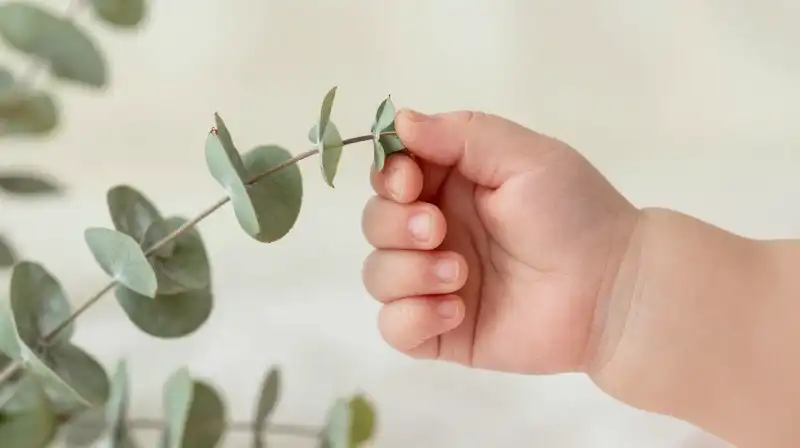
When newly delivered, *Parvifolia eucalyptus* often appears “thirsty and sleepy.” This is a normal state for freshly harvested floral products, not an indicator of poor quality. To maintain its health and optimal appearance in a vase or arrangement, specific care is required.
Proper handling involves several critical steps:
- Hydration: Immediately place the greenery in water. Ensure the stems are fully submerged and clean.
- Stem Maintenance: Trim the stems at an angle at the bottom to maximize water uptake.
- Environment: Keep the plant away from direct, harsh sunlight and extreme temperature changes.
- Quality Signals: Monitor the leaves for signs of stress, such as excessive yellowing or browning. Consistent care will maintain the vibrant blues and greens characteristic of the juvenile foliage.
Comparison and Usage in Floral Design
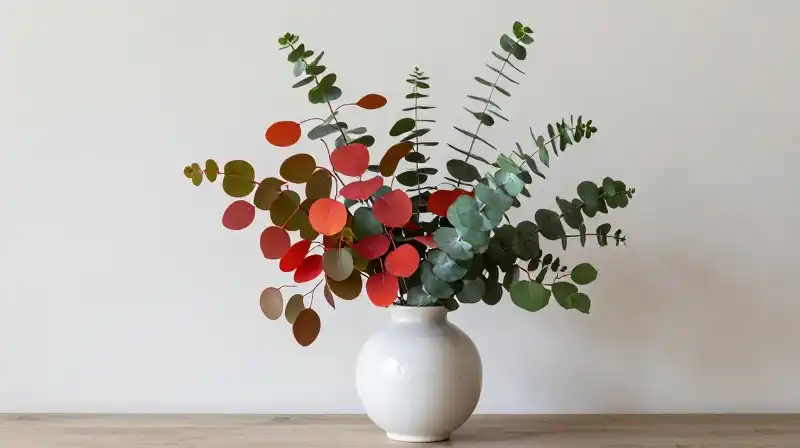
Parvifolia Eucalyptus functions primarily as a structural filler or textural accent in arrangements. Its small, pointed leaves grow along the stem and provide a dense, “frosted” effect. When comparing it to other types of filler, its unique ability to exhibit persistent juvenile foliage makes it a preferred choice for creating a soft, cloud-like texture that maintains its look over time.
While certain species, such as Gunni Eucalyptus, may be similar in function, Parvifolia is distinguished by its specific growth pattern—the clear transition from bluish juvenile leaves to narrow mature leaves. This allows designers to strategically place the foliage to achieve specific depth and contrast within the composition.
Final Practical Guide for Decision Making
When choosing or ordering Parvifolia Eucalyptus, the focus should be on understanding the product’s lifecycle and the logistical realities of procurement. The key criteria for a successful purchase and arrangement include:
- Expect Variation: Accept that the natural variation in color and form is an inherent part of the organic nature of the plant.
- Prioritize Hydration: Treat the initial “sleepiness” as a temporary condition that requires immediate and consistent post-delivery care to bloom.
- Match Utility to Need: Utilize the specific textural qualities of the juvenile foliage for arrangements requiring soft, consistent blue-green color throughout.
Frequently Asked Questions
What is parvifolia eucalyptus?
Parvifolia Eucalyptus is a specialized small-leaved gum from the Eucalyptus family, highly valued in floral design for its unique texture and persistent, soft foliage. It is defined by its distinctive growth pattern, which features persistent juvenile leaves that are small and bluish, contrasting with its larger, mature leaves.
How to Care for Parvifolia Eucalyptus Post-Delivery
Hydration
Immediately place the greenery in water. Ensure the stems are fully submerged and clean.
Stem Maintenance
Trim the stems at an angle at the bottom to maximize water uptake.
Environment
Keep the plant away from direct, harsh sunlight and extreme temperature changes.
Quality Signals
Monitor the leaves for signs of stress, such as excessive yellowing or browning. Consistent care will maintain the vibrant blues and greens characteristic of the juvenile foliage.
Related Articles