Understanding Leucadendron: Biology, Cultivation, and Conservation

Introduction
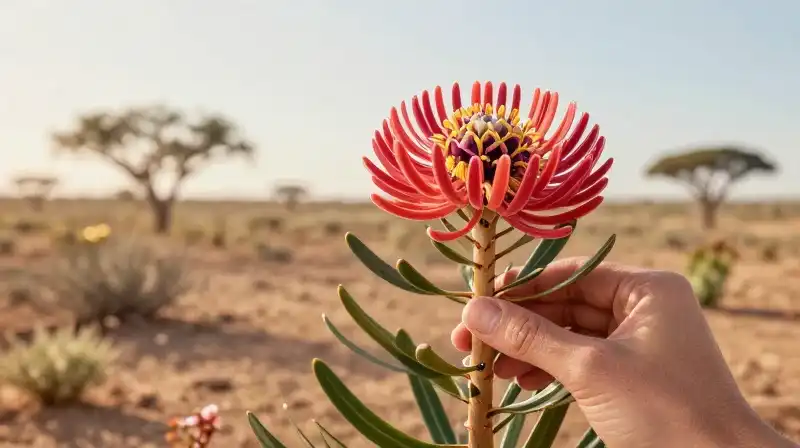
Leucadendron, commonly known as cone-bushes, are not simply decorative plants; they are highly specialized members of the Proteaceae family and a defining characteristic of the fynbos ecoregion in South Africa. These remarkable woody shrubs and small trees, which typically range from 1 to 16 meters in height, are unique to the Cape Provinces and KwaZulu-Natal regions. While they are prized globally for their dramatic, cone-like inflorescences and vibrant colors, understanding Leucadendron requires looking beyond the bloom. Success with this genus depends entirely on respecting its complex evolutionary history, specialized biology, and stringent environmental needs.
Understanding Leucadendron Biology
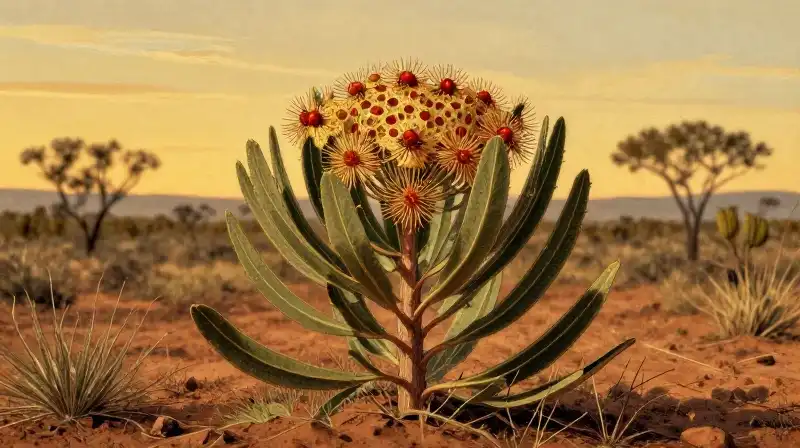
The scientific name Leucadendron literally translates to “white tree,” a descriptor fitting for species like the Silver Tree (Leucadendron argenteum) that are covered in dense, silvery hairs. Biologically, these plants have evolved sophisticated survival strategies to thrive in challenging conditions: acidic, nutrient-poor soils, and frequent natural fire cycles.
Life Cycle and Structure
Leucadendron species are dioecious, meaning that they have distinct male and female individuals. Their foliage is typically simple, elliptical, and arranged spirally, maintaining a year-round green color. Reproduction is managed through dense, woody, cone-like inflorescences that hold numerous seeds. In terms of propagation, while seedlings can be used, cutting is often preferred by commercial growers to guarantee uniform growth and genetic consistency in the resulting specimens.
Adaptive Survival Strategies
These plants are masters of adaptation. They have evolved specialized dispersal methods, relying on wind, rodents, and ants to spread their seeds. This robust, resilient nature is what allows them to persist in harsh, fire-prone ecosystems, forming the backbone of the fynbos vegetation type.
Cultivation: Planning and Environmental Needs
Successful cultivation of Leucadendron is highly dependent on meticulous planning and environmental preparation. Unlike many common ornamental shrubs, these plants do not tolerate heavy human intervention or standard garden soil. Proper care dictates a commitment to specific requirements, particularly regarding soil chemistry and drainage.
The Critical Pre-Planting Period
Before any planting occurs, substantial preliminary planning is required. Growers should allocate approximately five months for initial evaluation and preparation. This process is not merely a formality but a critical phase to ensure the plant’s long-term survival. Key steps include:
- Soil Evaluation: Testing the existing substrate to determine its mineral composition and pH.
- Drainage Assessment: Ensuring the soil structure allows for rapid water percolation, as standing water can be lethal.
- Chemical Correction: Adjusting the soil’s chemical balance to suit the specialized requirements of Proteaceae, often involving the introduction of specific organic matter or amendments.
Growth and Structure
While they are generally categorized as shrubs, some species, reaching heights up to 16 meters, function more like small trees. They are sun-loving plants (regular sun), and their growth rate, while generally steady, is sensitive to the environmental conditions established during the initial planting phase.
Selecting Your Leucadendron Variety
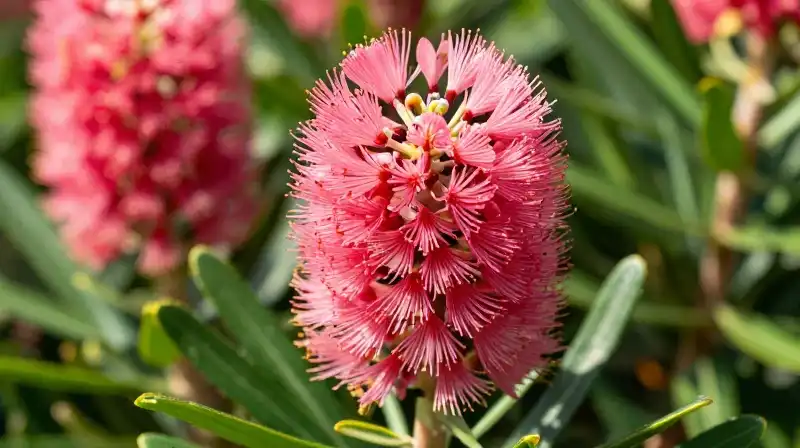
The variety of Leucadendron available on the market is vast, offering a range of colors and growth habits that cater to different landscaping needs. When deciding on a specific type, consider its growth rate, mature size, and desired color palette. Several popular types define the modern gardening market:
| Variety Example | Key Feature | Aesthetic Appeal |
|---|---|---|
| Leucadendron ‘Jester | Unique, strong architectural form. | Vibrant, often striking color combinations. |
| Leucadendron ‘Safari Sunset | Known for vivid, warm colors. | Ideal for creating dramatic focal points. |
| Leucadendron ‘Ebony | Typically offers a deep, dark hue. | Provides contrast and elegance in the landscape. |
When evaluating prices and availability, keep in mind that the rarity and size of the cultivar significantly affect the cost. High-quality specimens are often available specialized nurseries, distinguishing them from generic ornamental plants.
Leucadendron in Commercial and Conservation Context
The value of Leucadendron extends far beyond a domestic garden. The plants hold significant economic value in the cut flower industry, where they are sought after for their exceptional vase life and distinctive color profiles, making them a specialty item for florists.
Conservation Threats and Future Outlook
Despite their enduring beauty and resilience, Leucadendron species face severe conservation threats. Their endemic status means they are uniquely tied to specific South African habitats, and these areas are under intense pressure. The primary drivers of decline are:
- Habitat Loss and Fragmentation: Urban development and agricultural expansion are shrinking the natural fynbos territories.
- Invasive Species: Introduced plants compete with and displace native Leucadendron, threatening the ecosystem’s biodiversity.
Recognizing these challenges necessitates efforts in both commercial preservation (cultivating specimens responsibly) and ecological conservation (protecting their natural habitats).
A Final Note on Growing Leucadendron
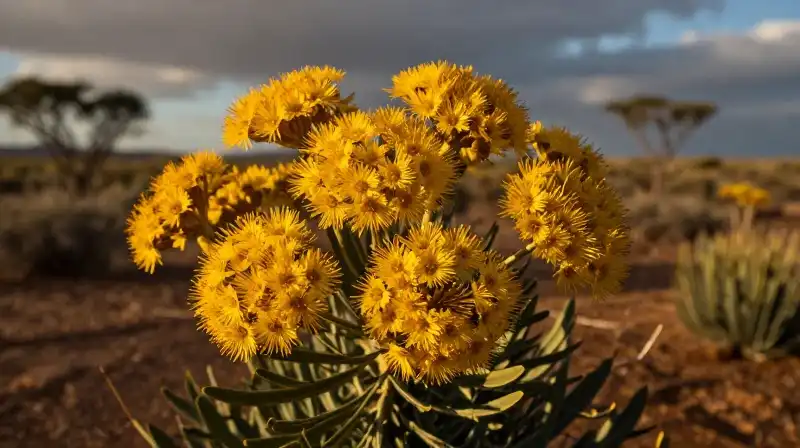
Choosing to grow Leucadendron is a commitment to cultivating a highly specialized plant. While the rewards—in form, color, and texture—are significant, success hinges on treating the initial five-month preparation period as the most important step. Never overlook the need for perfectly drained, specially treated soil. If the environmental parameters are ignored, even the most robust variety like the Silvertree will fail. Approach this plant with deep respect for its natural habitat and specialized needs, and it will thrive.
Planning and Preparing the Environment for Leucadendron Cultivation
Soil Evaluation
Test the existing substrate to determine its mineral composition and pH.
Drainage Assessment
Ensure the soil structure allows for rapid water percolation, as standing water can be lethal.
Chemical Correction
Adjust the soil’s chemical balance to suit the specialized requirements of Proteaceae, often involving the introduction of specific organic matter or amendments.
Related Articles