Rose Lilies Guide: Care, Cultivation, and Tips for Perfect Blooms

Introduction
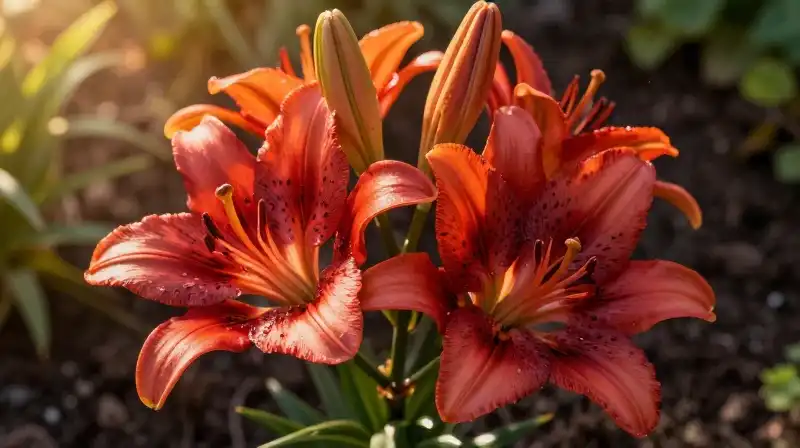
Rose lilies represent a highly sought-after variety of Oriental hybrid lilies, prized not only for their captivating, full appearance but also for their unique health and aesthetic characteristics. Unlike some other lilies, roselilies are distinguished by their dense, double-blossomed structure and a subtle, pleasant fragrance rather than a powerful scent. This combination of abundance and delicate aroma makes them versatile for various arrangements, from celebratory displays to quiet sympathy gestures. If you are looking to incorporate this magnificent flower into your garden or purchase a stunning bouquet, understanding the specific requirements for successful cultivation and post-purchase care is essential. This guide provides a comprehensive overview of how to maximize the beauty, longevity, and health of your rose lilies, from initial planting to final bloom.
The Appeal and Attributes of Rose Lilies
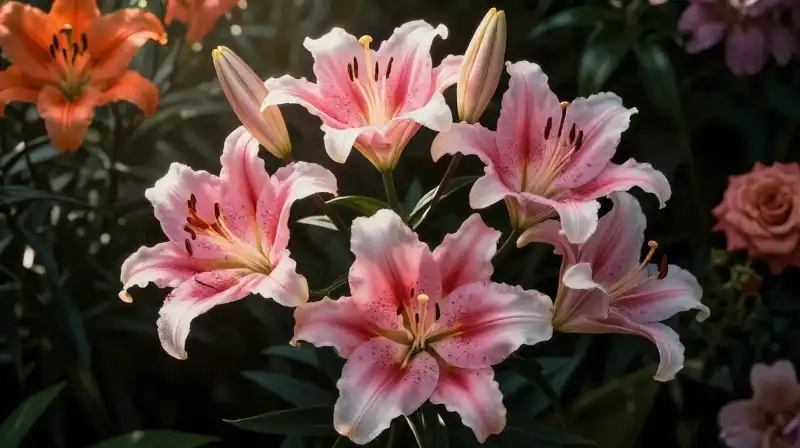
Roselilies possess several characteristics that set them apart from traditional lily varieties, making them a preferred choice for sensitive individuals and sophisticated designers. Their key advantages include:
- Pollen-Free Nature: A significant benefit for allergy sufferers, roselilies are typically pollen-free, minimizing the risk of seasonal discomfort.
- Voluminous Structure: Due to their characteristic double-blossomed structure, they offer a rich, full, and opulent bloom that creates a captivating visual impact.
- Enduring Life: Compared to many common lily varieties, roselilies often exhibit a longer overall lifespan both in the garden and in cut arrangements.
- Subtle Fragrance: They possess a refined, delicate fragrance, making them appealing even for those with sensitive olfactory systems.
Cultivation Guide: Growing Rose Lilies Outdoors
Successful cultivation begins with meeting the specific environmental and structural needs of the plant. Rose lilies are resilient but require tailored care to thrive.
Optimal Planting and Temperature
For optimal growth, rose lilies require proper soil preparation and protection from extremes. They are generally suited for planting between March and October, depending on your specific climate zone.
- Soil Preparation: When planting the bulb, ensure it is covered with 3–4 inches of rich soil, making sure the sprouts are oriented facing upward.
- Temperature Control: Roselies are sensitive to cold. Rooting can occur even in temperatures as low as 48–52°F, but ideal conditions are crucial. Maintenance requires keeping night temperatures between 58–65°F and daytime temperatures between 68–75°F, avoiding prolonged periods below 55°F.
- Light Requirements: These flowers thrive in moderate light. During warmer months, ensure they receive approximately 50% shade to prevent scorching while still receiving adequate sunlight.
Specific Care and Maintenance
Consistency in hydration and nutrient management dictates the health and cycle of the bloom.
- Early Growth Phase: Irrigation must be consistently moist to support the vigorous initial development.
- Bud Formation: Shift to damp maintenance through the bud formation stage.
- Flowering Stage: Once the flowers begin to open, provide moderate irrigation to sustain the bloom.
Experienced growers may utilize growth regulators (PGR) during specific stages, such as sprouting and leaf-opening, to optimize development.
Optimizing Bloom and Managing Potential Issues
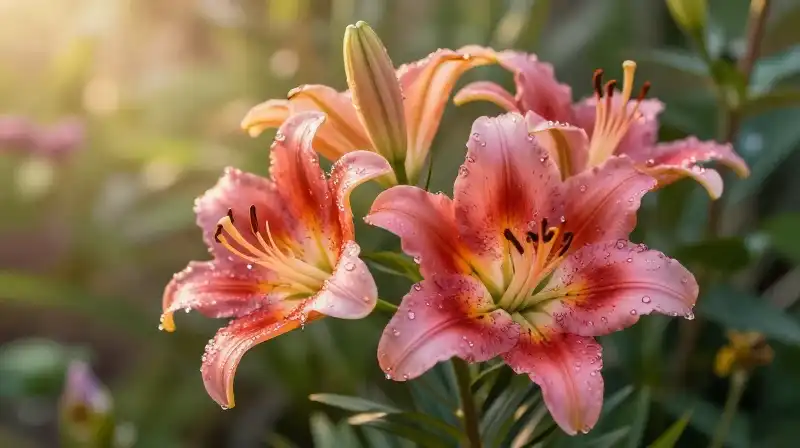
To ensure your rose lilies achieve their full potential, attention must be paid to timely harvest and disease prevention.
The Right Time to Harvest
For cut flower production, the ideal timing is crucial for achieving the longest vase life. Harvest when two to three buds are visibly colored and beginning to open, but are still tightly closed. This ensures the flower has enough stored energy to unfurl gracefully after cutting.
Pest and Disease Management
While generally robust, roselilies are susceptible to certain pests and fungal afflictions that must be monitored:
- Common Pests: Thrips and aphids are frequent intruders.
- Fungal Afflictions: Watch out for botrytis, pythium, and various general fungal diseases.
Understanding Rose Lilies in Arrangements
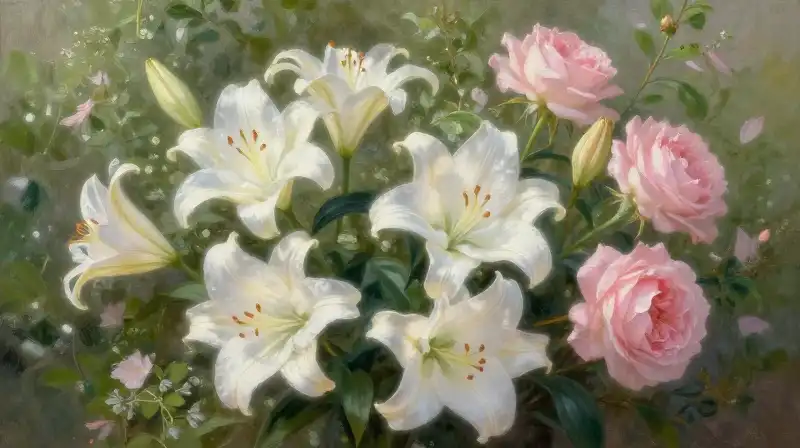
Whether you are choosing a Rose lilies bouquet or selecting them for a large floral centerpiece, practical knowledge of their needs and characteristics helps optimize the final design.
Handling Cut Rose Lilies
Post-harvest care is vital for maintaining the luxurious appearance of these blooms. Cut roselilies should be stored in a cool environment, ideally at 40°F, ensuring the stems remain immersed in water to keep them hydrated and vibrant.
Toxicity and Usage Context
A common concern when introducing new flowers into a home is safety. Regarding toxicity to pets, roselilies are generally considered safe; however, as with all flowering plants, it is always prudent to keep them away from curious pets or young children, as some individuals may react to pollen or foliage.
These flowers are highly valued for their versatility and symbolic meaning, often representing deep passion, beauty, and grace, making them popular in both wedding and sympathy arrangements.
Practical Care Checklist: From Delivery to Display
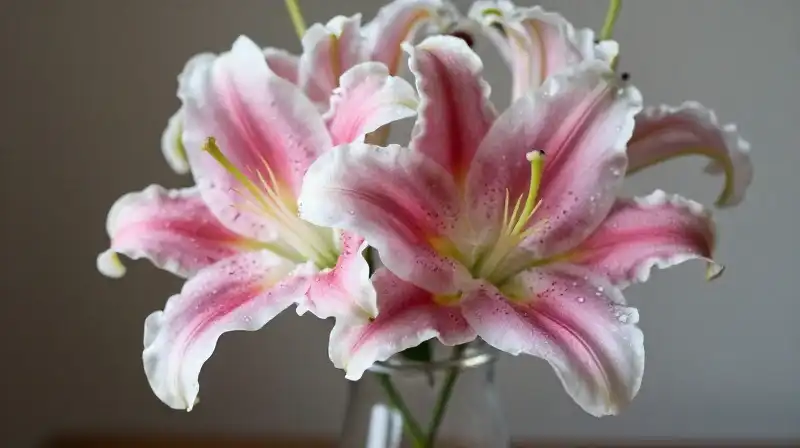
When purchasing roselilies for home use, specific immediate care steps ensure they transition smoothly from packaging to a stunning arrangement.
If you receive a shipment of roselilies, remember that their double-blossomed structure requires careful handling and space. They will need a short recovery period—typically a couple of days—to fully expand. To accommodate their natural, voluminous shape, they must be placed in a large enough vessel. Always ensure the vase contains fresh water immediately upon delivery to encourage proper expansion and bloom.
Priorities for Successful Rose Lily Care
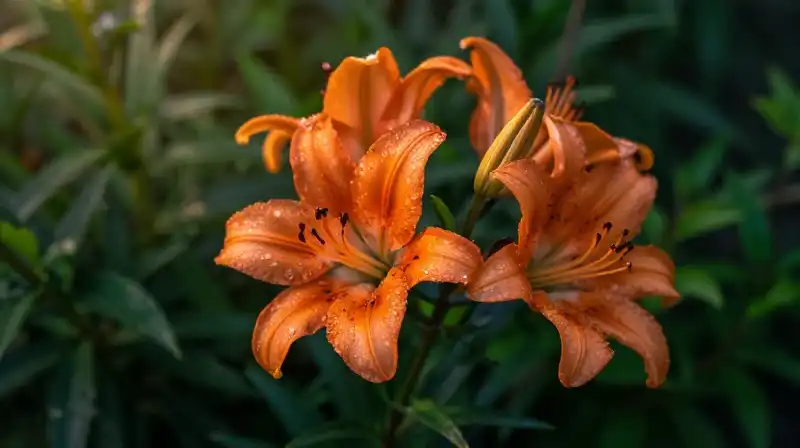
To enjoy the peak beauty of your rose lilies, focus on these practical priorities:
| Phase | Key Requirement | Action |
|---|---|---|
| Cultivation | Temperature and Light | Ensure nights are cool (58–65°F) and days are moderately bright with 50% shade. |
| Maintenance | Hydration Timing | Maintain consistent moisture through early growth, transitioning to damp/moderate irrigation through flowering. |
| Arrangement | Structure and Safety | Use a large, deep vase for expansion and maintain appropriate distance from pets. |
| Harvest | Timing and Storage | Cut when buds are colored but closed; store cut stems at 40°F. |
Explore more: Celtic Symbols for Brotherhood: Meanings and Interpretations
Frequently Asked Questions
Are rose lilies toxic to pets?
Roselilies are generally considered safe regarding toxicity to pets. However, it is recommended to keep them away from curious pets or young children, as some individuals may react to the pollen or foliage.
How to grow and care for rose lilies
Prepare the planting area and soil
Ensure the soil is rich and prepare the area, planting the bulb covered with 3-4 inches of soil, making sure the sprouts are oriented facing upward.
Control the environment
Maintain ideal temperatures (night between 58-65°F, day between 68-75°F) and provide moderate light, ensuring 50% shade during warmer months.
Manage irrigation throughout growth
Maintain consistently moist irrigation during early growth, transition to damp maintenance during bud formation, and provide moderate irrigation once the flowers begin to open.
Harvest cut stems at the right time
For cut flower production, harvest when two to three buds are visibly colored and beginning to open, but are still tightly closed.
Post-harvest care and arrangement
Store cut roselilies in a cool environment (ideally 40°F) with stems immersed in fresh water in a large enough vessel to allow for expansion.
Related Articles