Godetias: Growing, Cut Flower Use, and Care Guide

Introduction
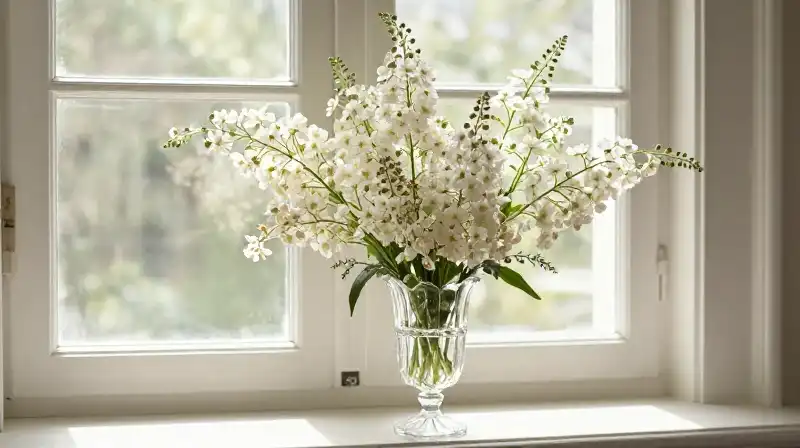
Godetias, often referred to as “Satin Flowers” due to their unique, delicate petals, offer a vibrant burst of color and texture in late spring and early summer gardens and floral arrangements. Commonly used as both a sturdy garden annual and an exquisite cut flower, this ornamental plant is celebrated for its ability to handle cooler temperatures and its distinctive, ruffled blossoms. This guide explores the optimal growing conditions for Godetias and evaluates their performance and value for florists and home gardeners.
Defining the Godetia Plant and Varieties
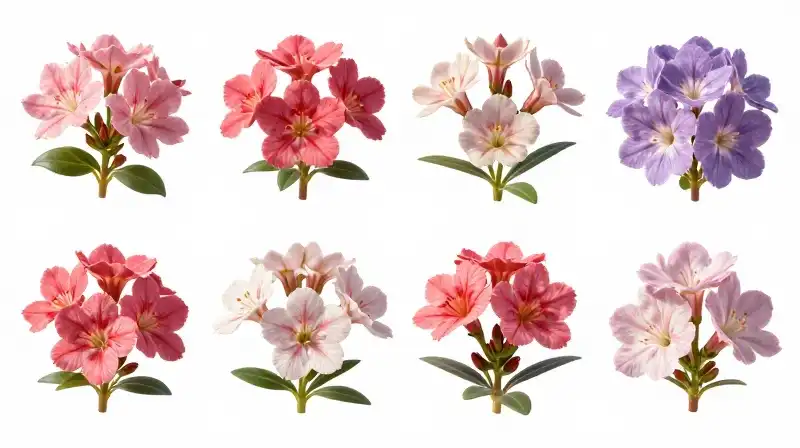
The Godetia genus comprises annual and perennial herbaceous plants native to regions across North America. They are primarily valued for their elegant, cup-shaped flowers, which feature intricate layering and a characteristic soft, papery texture. While Godetia is often closely associated with the closely related (Clarkia amoena, which is known as Farewell to Spring), Godetias are recognized for their own specific growth patterns and bloom characteristics.
The general characteristics of Godetias include:
- Height: Typically ranges from 30 to 92 centimeters, offering variety based on cultivar selection.
- Blossoms: Often exhibit four ruffled petals and four sepals, presenting a range of colors including white, pink, purple, coral, red, and lavender. Some flowers may feature distinctive colored blotches at the petal bases.
- Foliage: The leaves are generally alternate and lance-shaped, usually measuring 2.5 to 7 centimeters. A notable feature is that while lower leaves may drop as blooming progresses, the upper leaves tend to remain folded and persistent.
Optimizing Growth and Care for Godetias
Proper care for Godetias ensures strong growth and a prolonged flowering season. Because these plants thrive in cooler environments, they are best suited for spring and early summer planting in temperate climates. They are recognized as a cool-season plant, though many varieties exhibit resistance to hot weather and continue to thrive once the spring heat sets in.
Soil and Planting Conditions
Godetias prefer well-draining soil. They are generally tolerant of various soil types but perform best in rich, consistently moist, yet aerated ground. To achieve the best results, provide minimal fertilization during the growing phase, as overly rich soil can sometimes lead to excessive foliage production at the expense of the blooms.
Sunlight and Temperature Management
Full sun is ideal for maximizing bloom density and duration. Godetias flourish in bright, open locations. While they can tolerate mild frost in protected environments, they are best nurtured in cooler growing climates. Increasing day length is one of the natural triggers for Godetias to accelerate their flowering period.
Watering and Maintenance
Consistent moisture is crucial, especially during the early stages of development. However, ensure excellent drainage to prevent root rot. Regular pruning can be beneficial to maintain plant shape and encourage bushier growth. The plant’s natural tendency for upper leaves to fold helps protect newer growth, contributing to its resilience.
Godetias as a High-Value Cut Flower
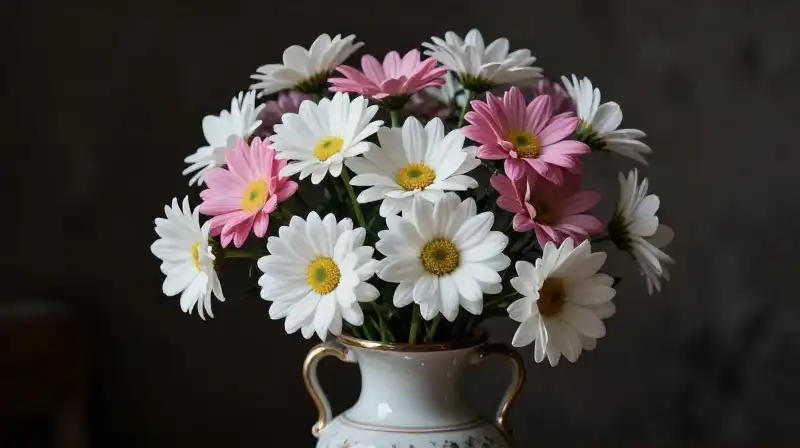
Is Godetia a good cut flower? The answer is yes, and it presents a high value proposition for florists and home arrangers. Godetias are prized for several factors that distinguish them from many other spring blooms.
Structural and Aesthetic Qualities
Godetias are an exceptional choice for floristry because they offer a unique combination of structural integrity and visual complexity. The ruffled, delicate, yet sturdy nature of the petals allows them to provide intricate texture and “popping” color into compositions.
- Longevity: Unlike some extremely delicate seasonal flowers, Godetias are known for their multiple blooms over time and maintain their shape well when cut.
- Versatility: Their size and form make them highly effective as both a filler flower to add volume and texture, and as a focal point due to their rich color palette and unique structure.
- Texture: Florists appreciate the papery texture, which adds a sophisticated, “satin” feel to floral designs.
Cultivation Options: Garden and Pots
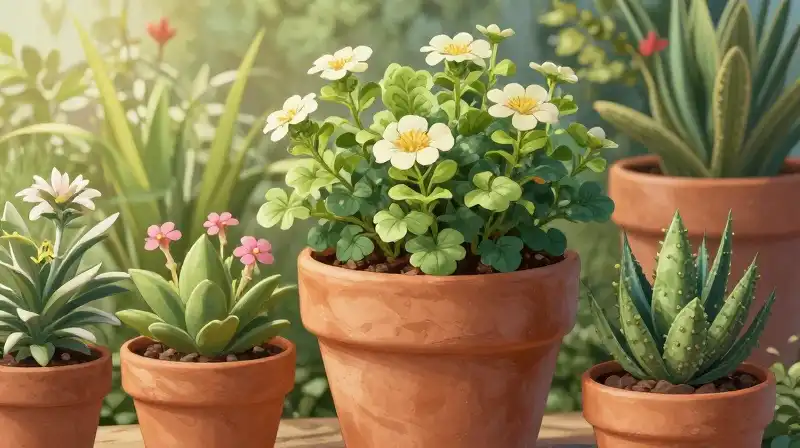
Godetias are highly versatile, functioning effectively both as a large garden specimen and as a smaller potted plant. If you are looking for , they make excellent container plants because they offer significant color in a relatively compact space (up to 92 cm). For garden use, planting them in clusters allows them to maximize their display and provides a stunning contrast against foliage in mixed borders.
While Godetias are commonly available, looking at specific cultivars (such as tall or short varieties) allows gardeners to fine-tune their plantings based on available space and desired height, facilitating better planning for both ground cover and specimen height.
Practical Considerations and Limitations
While Godetias are generally robust, there are specific limitations and factors to consider when planning a Godetia garden.
| Factor | Ideal Scenario | Condition to Watch For |
|---|---|---|
| Temperature | Cool spring and early summer conditions. | Extreme, sudden heat can cause wilting or rapid fading. |
| Sun Exposure | Bright, direct sunlight. | Too much shade results in leggy growth and fewer blooms. |
| Water Management | Regular, consistent watering with a focus on drainage. | Standing water leads to root rot; neglect leads to stunted growth. |
The most common mistake in caring for Godetias is over-fertilizing; remember that minimal feeding aligns with the plant’s preference for natural vigor rather than excessive foliage.
Summary of Godetia Success

To successfully cultivate or utilize Godetias, the primary focus should be on selecting the right location and maintaining moisture balance during the cooling months. They deliver superior value in both the garden and the floral market due to their resilient structure, vibrant color, and ability to perform well as a cool-season variety. For the best performance, ensure your soil drains well, provide consistent cool-season care, and allow the plants sufficient space to showcase their unique, ruffled beauty.
Frequently Asked Questions
How do you care for Godetia plants?
Godetias thrive in full sun and cooler spring and early summer conditions. They require well-draining, rich soil with consistent moisture, minimal fertilization to avoid excessive foliage, and regular pruning to maintain their shape.
Is Godetia a good cut flower?
Godetia is a good cut flower, offering a high value proposition for florists and home arrangers. They are prized for their structural integrity and the delicate yet sturdy nature of their petals, which allows them to maintain their shape well when cut.
How to Optimize Growing and Caring for Godetias
Select Optimal Conditions
Choose a temperate climate, as Godetias thrive in cooler growing environments and perform best in spring and early summer.
Prepare Soil and Environment
Provide well-draining, rich, and aerated ground. Use minimal fertilization during the growing phase to prevent excessive foliage.
Manage Sunlight
Place Godetias in bright, open locations where they receive full sun to maximize bloom density and duration.
Water and Ensure Drainage
Maintain consistent moisture, especially during early development, but always ensure excellent drainage to prevent root rot.
Prune and Maintain Shape
Regular pruning can be beneficial to maintain the plant's shape and encourage a bushier, more vigorous growth.
Cultivate for Display
For maximum visual impact in a garden, plant Godetias in clusters, or use them as container plants for compact spaces.
Related Articles