Growing Calendula Seeds: Planting Tips and Culinary Benefits

Introduction
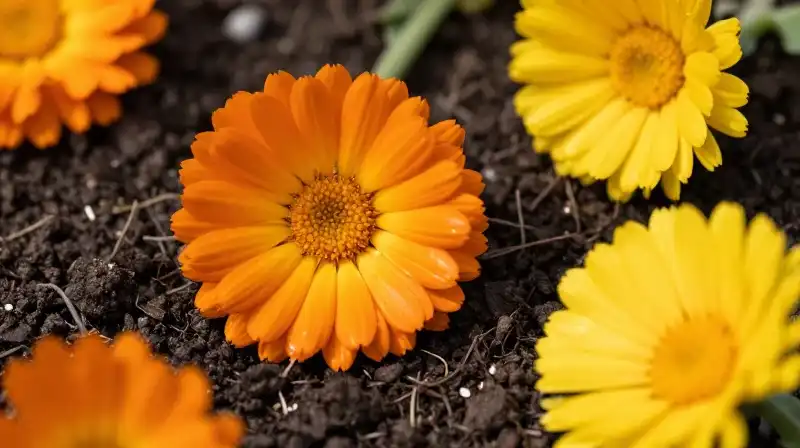
Calendula is a popular, reliable annual flower valued not only for its vibrant, cheerful blooms but also for its surprising versatility in the garden. If you are starting a collection of calendula seeds, you are acquiring more than just an ornamental plant; you are beginning with a multi-purpose herb that offers aesthetic beauty, pest attraction for pollinators like bees and butterflies, and practical culinary and medicinal applications. These hardy flowers thrive under full sun and moderate temperatures, making them suitable for borders, rock gardens, or even integrated into kitchen herb patches. The main success factor when growing calendula lies in managing the transition from seed to established plant and ensuring consistent moisture. Understanding the specific requirements for planting from calendula seeds is the first step to harvesting these stunning, highly functional plants.
Selecting the Right Seeds and Preparing the Soil
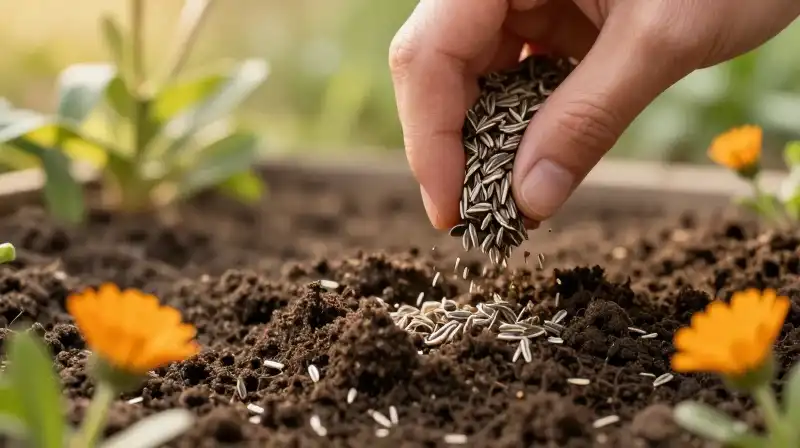 Before planting, selecting quality calendula seeds and preparing the environment are critical to ensuring strong germination and a healthy, compact plant.
Finding Seeds and Varieties
When purchasing calendula seeds, look for reputable suppliers. Different varieties offer varying bloom times, colors (ranging from classic orange to pink and white), and growth habits. Choosing seeds locally or bulk can be cost-effective, while online vendors often provide diverse choices.
Preparing Optimal Growing Medium
Calendula prefers average, moderately fertile, and well-drained soil. Because the plant is highly susceptible to root rot in poorly drained areas, ensuring proper soil structure is non-negotiable. The ideal mix allows roots to breathe while holding just enough moisture. Before planting, mixing in some compost or aged manure can provide the initial nutrients needed for robust growth.
The Calendula Seed Starting Guide: Indoor vs. Direct Planting
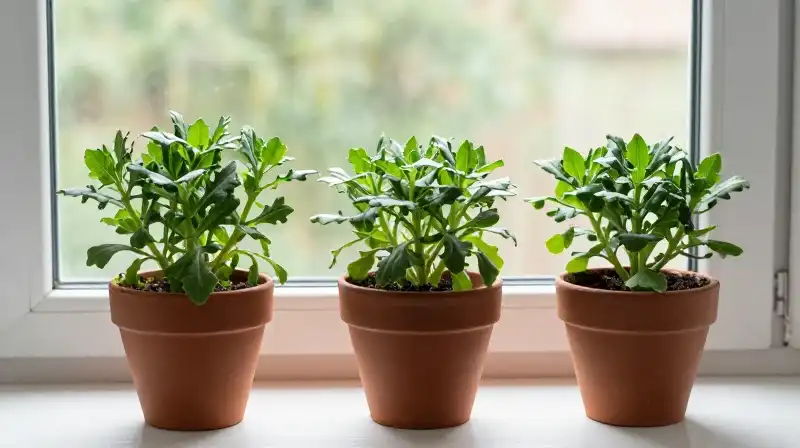 Calendula can be grown successfully using two primary methods: starting indoors or sowing directly in the garden. The best choice depends on your local climate, the number of growing days you have, and your patience.
Starting Seeds Indoors (Recommended for Planning)
For a controlled environment and to ensure you have enough mature plants for a large garden, starting seeds indoors is the most reliable method.
- **Timing:** Begin sowing calendula seeds six to eight weeks before your area’s last expected frost date.
- **Procedure:** Fill shallow trays or pots with seed-starting mix. Plant seeds thinly, covering them with a thin layer of soil.
- **Germination Care:** Keep the tray consistently moist until the top half inch of the soil is moist. Provide warmth and warmth-loving conditions for germination. Once seedlings emerge, gradually harden them off before transferring them outside.
Direct Sowing in the Garden
If your climate allows for a long, warm growing season and you prefer to avoid transplant shock, you can sow calendula seeds directly into the garden just before the last frost.
- **Spacing:** Calendula seeds should be spaced approximately eight to ten inches apart.
- **Implementation:** Scatter seeds and lightly cover them with soil. This method is easiest for areas where soil conditions are already perfect and drainage is guaranteed.
Garden Care and Plant Maintenance
Once calendula plants are established in the garden, consistent care can promote continuous blooms and a strong, compact structure.
Light, Water, and Feeding
Calendula thrives in full sun exposure. While it can tolerate a bit of shade during extremely hot summer periods, full sun maximizes flower production. Water the established plants consistently, especially during dry spells, but always ensure the soil drains well after watering to prevent fungal issues. For ongoing health, add a layer of compost around the base of your established plants mid-season.
Encouraging Blooms and Compact Growth
To keep the plant looking lush and maximizing its yield, practice two simple maintenance tasks:
- **Deadheading:** Promptly remove spent or wilting flowers. This action, known as deadheading, signals to the plant that it needs to put energy into new flowers rather than seed production, thus encouraging prolonged blooming.
- **Pinching:** If the plants start to sprawl, pinching back the growing tips of young plants can promote denser growth and a more compact, visually appealing appearance.
Beyond Decoration: Culinary and Medicinal Uses
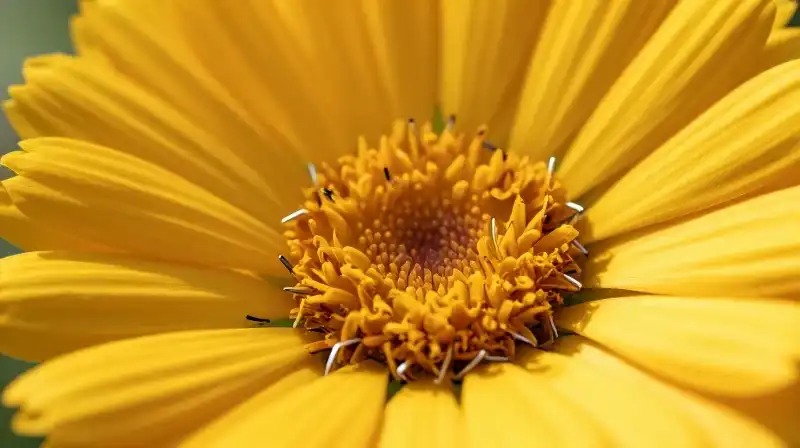 A unique benefit of the calendula plant is its transition from garden beauty to functional pantry and medicine ingredient.
Culinary Applications (Edible Flowers) The petals and often the leaves of the calendula plant are safe and delicious to consume, adding visual flair and a subtle flavor to various dishes.
- **Salads:** Fresh calendula petals add a bright pop of color and a mild taste to green salads.
- **Soups and Broths:** Adding a few vibrant petals to the garnish of soups provides a beautiful presentation.
Medicinal and Wellness Benefits Historically, calendula has been used medicinally for centuries. Studies suggest it possesses potent properties that can benefit human wellness. These properties include:
- Antiviral and Antibacterial qualities.
- Antioxidant effects, supporting overall cellular health.
- Natural anti-inflammatory properties.
Dried calendula flowers are commonly prepared into a soothing herbal tea, which can be consumed or used as a refreshing mouth rinse.
Summary of Best Practices for a Successful Harvest
Growing calendula seeds is a rewarding process that rewards patience with beautiful flowers and practical uses. To achieve the best results, focus on three critical aspects:
- Timing and Environment: Start indoors 6-8 weeks before the last frost and provide a location that receives full sun and excellent drainage.
- Nurturing: Maintain consistent moisture, supplement with compost during peak season, and practice deadheading to ensure continuous blooms.
- Harvesting: Remember that your harvest extends beyond the bloom; from leaves to dried petals, calendula provides valuable edible and medicinal resources.
By following these steps, you can successfully transition from seeds to a thriving, multifaceted garden feature.
Explore more: Traditional Día de los Muertos: Symbols, History, and Custom
How to Grow Calendula Seeds
Prepare the Soil
Ensure the growing medium is moderately fertile, well-drained, and contains a mix of compost or aged manure to support initial root growth.
Select and Time the Seeds
Choose high-quality calendula seeds. If starting indoors, begin sowing six to eight weeks before your area's last expected frost date.
Sow the Seeds Indoors
Fill shallow trays or pots with a seed-starting mix, plant the seeds thinly, and cover them with a thin layer of soil.
Manage Germination
Maintain consistent moisture in the trays and provide warmth to ensure proper germination of the seeds.
Harden Off Seedlings
Once seedlings have emerged, gradually introduce them to outdoor conditions to prevent shock before planting them in the garden.
Maintain and Care for Plants
Ensure the established plants receive full sun, water consistently while maintaining drainage, and practice deadheading to encourage continuous blooming.
Related Articles