How to Eradicate Bermuda Grass: Sheet Mulching and Mowing Strategies


Introduction
Eradicating Bermuda grass is considered one of the most difficult challenges in landscape maintenance due to the plant’s aggressive growth habits and relentless ability to re-establish itself. Unlike common weeds, Bermuda grass (also known as wiregrass or couch grass) is highly tenacious, capable of thriving in heat and surviving even when standard control measures fail. Simply applying a single round of herbicide or using light treatments is rarely enough. To successfully remove bermuda grass, a sophisticated, multi-pronged strategy that focuses on preventing its entire life cycle—not just killing surface growth—is required. The most effective path forward integrates aggressive cultural tactics, such as strategic mowing and sheet mulching, with highly selective chemical treatments.
Understanding the Resilience of Bermuda Grass
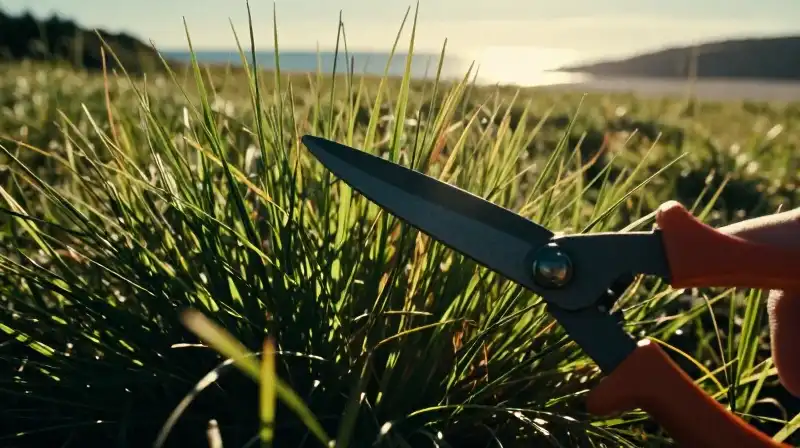 Before attempting removal, it is essential to understand the biological traits that make Bermuda grass so difficult to kill. These characteristics are the primary reasons why conventional methods often lead to temporary setbacks rather than permanent eradication.
Bermuda grass possesses a specialized metabolic pathway known as C4 photosynthesis. This mechanism allows it to achieve peak efficiency in hot and dry climates, giving it a massive advantage over most desirable cool-season turfgrass. Furthermore, the plant has multiple methods of reproduction, ensuring survival even if the visible top growth is destroyed:
- Seeds: Bermudagrass seeds can remain viable in the soil for up to two years, meaning dormant seeds are a constant threat to eradication efforts.
- Rhizomes and Stolons: The plant spreads aggressively via below-ground rhizomes and above-ground stolons. These runners allow it to quickly colonize new territory and recover even from heavy treatment.
Because of these factors, simply spraying the visible blades is usually ineffective. Any strategy for how to eradicate bermuda grass must therefore address these deep, subterranean, and dormant elements.
Strategic Cultural Control: The Light Deprivation Principle
For large areas of lawn, a non-chemical approach based on cultural control offers one of the most proven ways to manage invasive grasses. This method focuses on preventing the photosynthesis that Bermuda grass requires to thrive.
Bermuda grass, while tough, is highly susceptible to lack of light, particularly in the early morning. By managing the competitive relationship between your cool-season grass and the invasive Bermuda, you can effectively suppress the weed. This is achieved by significantly increasing the height of your desired cool-season turf.
The High Mowing Strategy:
The key recommendation is to maintain cool-season turf at the upper limit of recommended mowing heights—ideally around four inches. When your cool-season grass is allowed to grow tall, it creates a dense canopy that shades the ground and the invasive Bermuda. Because Bermudagrass cannot tolerate low-light conditions, this dense canopy starves the invasive grass, inhibiting its ability to spread and grow, effectively suppressing it without the need for herbicides.
Crucially, mowing too frequently or cutting too low will negate this benefit. The goal is sustained, tall growth to block light, not frequent trimming.
The Heavy-Duty Physical Solution: Sheet Mulching
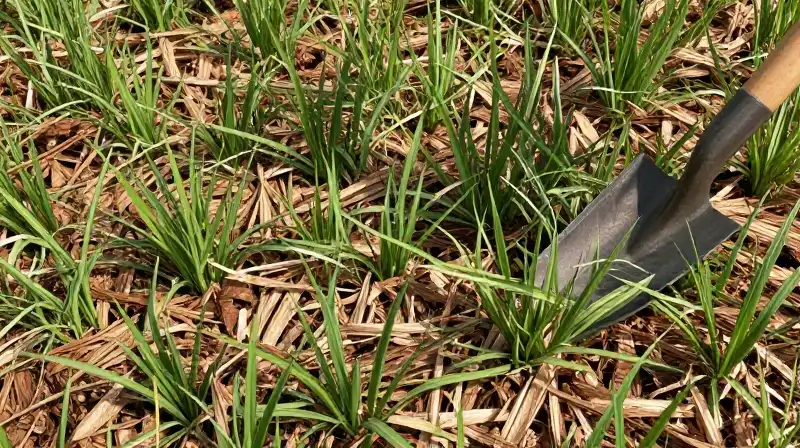 For specific garden beds, narrow patches, or areas where traditional mowing is impossible, sheet mulching provides a powerful, long-term solution to how to get rid of bermuda grass. This process is an intensive physical barrier designed to block sunlight and introduce beneficial microbial activity.
Standard mulch (like a thin layer of wood chips) is insufficient because sunlight still penetrates and Bermuda grass can grow through. Sheet mulching requires layering materials to create a complete seal:
- Weed Cover: Thoroughly cover the entire area with the thickest layer of corrugated cardboard possible. Ensure there are no gaps, and lay several overlapping layers.
- Compost Layer: Place a thick layer of organic compost or mulch over the cardboard. This helps smother the weeds and begins enriching the soil.
- Final Top Layer: Apply a final layer of shredded mulch or bark. This protects the compost layer, retains moisture, and provides a finished garden aesthetic.
This method works by creating a comprehensive, light-blocking environment. The lack of light suffocates the Bermuda grass, while the decomposition of the underlying materials begins transforming the area into a healthy substrate for new plants, effectively replacing the aggressive grass with productive garden space.
Using Selective Herbicide to Accelerate Eradication
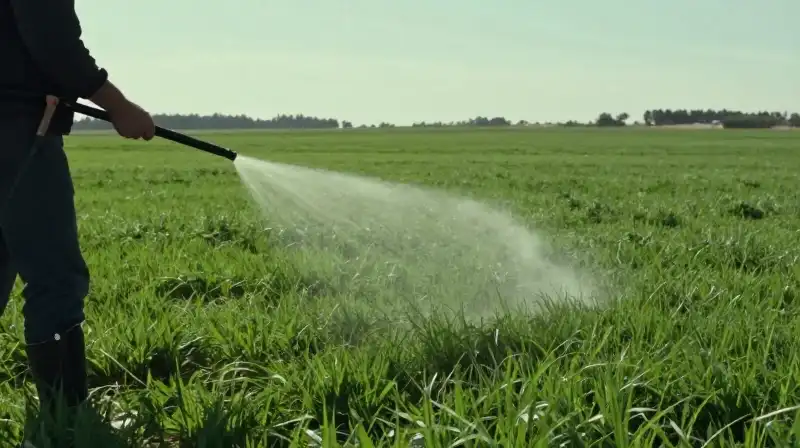 While cultural methods provide sustainable, long-term control, strong herbicides can be used to speed up the process of how to remove bermuda grass in stubborn patches. However, this requires precision and persistence.
Bermuda grass’s C4 metabolism makes it resistant to many conventional treatments, and its ability to reproduce via rhizomes and seeds means single applications will fail. If chemicals are used, they must meet two criteria:
- Selectivity: The product must be highly selective to suppress Bermuda grass without damaging your desired cool-season lawn.
- Persistence and Repetition: Because the plant’s life cycle is so aggressive, the herbicide program should involve repeated treatments applied continuously. You are essentially maintaining constant chemical pressure to interrupt its ability to spread and regenerate.
Always follow label instructions precisely, ensuring the chemical penetrates the tough foliage. Furthermore, avoid applying treatments to areas that are recently mowed too low, as the broken surface areas can interfere with the chemical’s ability to reach the root systems.
Combining Methods and Practical Considerations
Achieving full eradication rarely relies on a single technique; success is found in the strategic integration of different approaches.
For most landscapes, the most practical maintenance plan is this integrated strategy:
| Area Type | Primary Method | Goal |
|---|---|---|
| Large Lawn Areas | High Mowing (4-inch minimum) | Light Deprivation and Competitive Suppression |
| Garden Beds/Hard-to-Treat Patches | Sheet Mulching | Physical Block of Light and Complete Substrate Change |
| Intense or Resistant Zones | Selective Herbicide Treatments | Accelerating Kill and Interrupt Biological Spread |
Ultimately, the most important warning is that eradicating Bermuda grass is a marathon, not a sprint. Due to the two-year viability of its seeds and the persistent nature of its rhizomes, expect an ongoing battle of suppression and maintenance rather than a final “cure.” By focusing on starving the grass through light deprivation (mowing) and physical obstruction (sheet mulching), you attack its fundamental biological needs, creating the highest probability of long-term success.
How to Eradicate Bermuda Grass
Cultural Control (Large Lawns)
Maintain desired cool-season turf at the upper limit of recommended heights, ideally around four inches, to create a dense canopy that shades and suppresses the invasive grass.
Physical Removal (Garden Beds)
Implement sheet mulching by thoroughly covering the area with corrugated cardboard, followed by a thick layer of compost or mulch, and finished with a final top layer of shredded mulch.
Chemical Treatment (Resistant Patches)
Use highly selective herbicides in a persistent and repetitive manner, ensuring constant chemical pressure to interrupt the grass's ability to spread, while following all label instructions precisely.
Long-Term Maintenance
Understand that eradication is an ongoing process; due to the two-year viability of seeds and aggressive rhizomes, continuous suppression and maintenance are required for success.
Related Articles