Red Bristle Philodendron Care: Light, Water, and Growth

Introduction
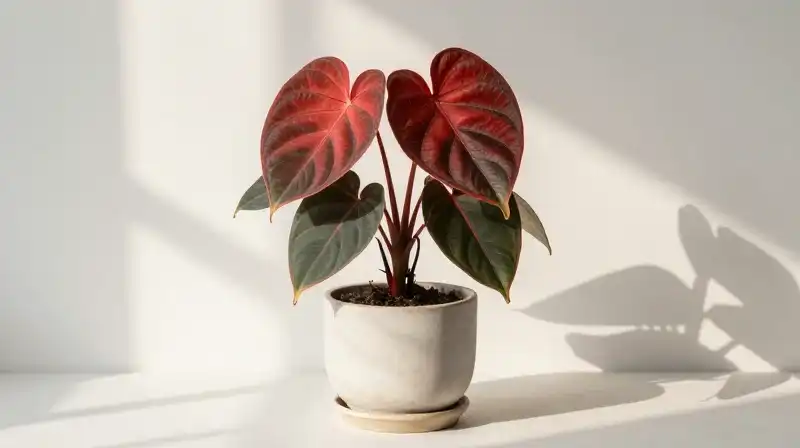
Caring for the *Philodendron squamiferum*, commonly known as the Red Bristle Philodendron, requires a specific understanding of tropical horticulture. While it possesses the dramatic, lobed foliage many seek, it is a demanding plant that requires precise environmental conditions to flourish. This is not a novice houseplant; its success hinges on balancing bright, indirect light with consistent humidity and meticulous watering. Understanding the unique growth habits—its need for structural support and its specific light tolerances—is the first step toward keeping this rare and captivating specimen vibrant.
Defining the Growth Habit: Climber vs. Crawler

A common point of confusion when first acquiring this plant is whether it is a climber or a crawler. The *Philodendron squamiferum* is definitively a climbing vining plant. Unlike ground-hugging plants, it seeks vertical support to reach the light, a trait common to many Aroids. To maintain its desired aesthetic, especially as it grows larger (reaching impressive 18-inch or more leaf lengths), it must be guided. If left unsupported, it can sprawl haphazardly and become less structured. For optimal visual impact and dense foliage, it is essential to provide a trellis, moss pole, or sturdy planter that allows the vine to ascend naturally.
Optimizing Lighting and Temperature
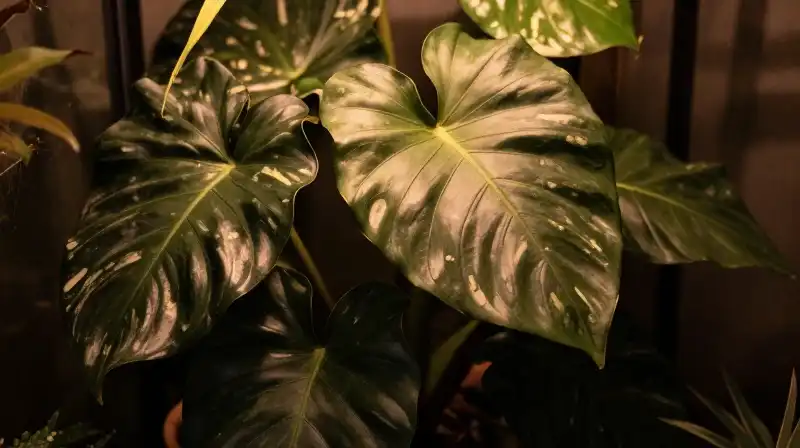
Light is arguably the most critical factor for *P. squamiferum* health. This tropical native thrives in bright, indirect light. Positioning it near a window that receives filtered or shaded light throughout the day is ideal. Harsh, direct sunlight, particularly during the hottest parts of the day, must be avoided as it will quickly scorch the large, sensitive leaves, leading to brown patches or crisp edges. Maintaining temperatures between 18°C (65°F) and 27°C (80°F) mimics its native South and Central American rainforest environment. Consistent warmth helps promote vigorous growth and the development of its signature red-fuzzy petioles.
Mastering the Watering and Soil Requirements
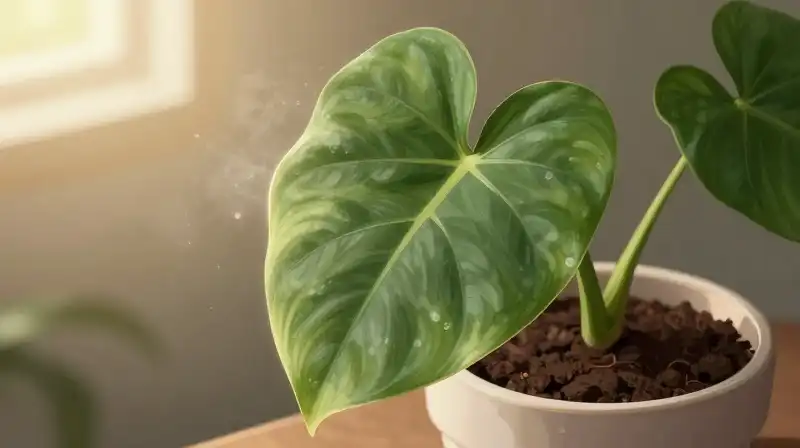
Overwatering is the most frequent cause of failure for this species. The goal is a consistently moist, but never soggy, environment. Because the plant’s environment is highly humid, proper drainage is non-negotiable. When watering, allow the top layer of the potting mix to dry out slightly between sessions. This slight pause prevents root suffocation and subsequent root rot, which manifests as yellowing leaves and drooping. This careful moisture management, combined with using a well-draining, light potting mix (such as an araceous mix or coconut coir), ensures the roots have the aeration they need to thrive.
The Role of Humidity and Fertilization
To prevent crispy brown leaf tips, *P. squamiferum* benefits significantly from high humidity. Placing the plant near a humidifier, using pebble trays, or grouping it with other moisture-loving plants will help replicate its humid origins. While it is largely self-sufficient in the correct environment, regular feeding with a balanced liquid fertilizer during the active growing seasons—Spring and Summer—will encourage larger, more robust leaf development and faster growth. During the dormant Winter months, feeding can be significantly reduced or halted entirely.
Identifying Common Health Issues and Risks
Even with optimal care, you may encounter specific issues. The yellowing of leaves is a primary indicator of overwatering. Conversely, brown leaf edges often point to either low ambient humidity or inconsistent underwatering. It is also common to notice a sticky, sweet fluid secreted on the leaves; this is a natural part of the plant’s biology, but it must be periodically wiped away to maintain a clean, aesthetic appearance. Furthermore, it is important to be aware of the plant’s toxicity. *Philodendron squamiferum* contains calcium oxalate crystals, which means it can be harmful if ingested by pets or humans. Keep this plant well out of reach of curious children and animals.
Propagation and Specialized Needs
If you wish to propagate your Red Bristle Philodendron, stem cuttings are the recommended and most reliable method. Cuttings should first be allowed to root in water before being gradually transitioned into the proper well-draining soil mixture. Due to its rarity and specific requirements, finding a *Philodendron squamiferum* for sale requires looking beyond standard retail nurseries; specialized rare plant vendors are usually the most reliable source.
Summary of Care Priorities
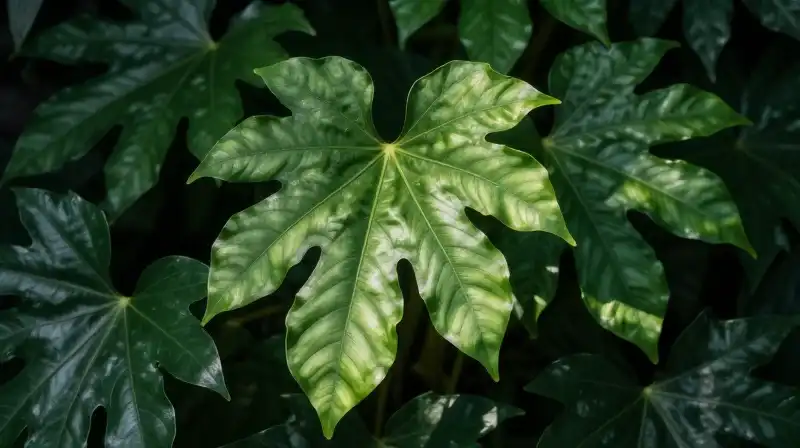
To successfully cultivate *Philodendron squamiferum*, prioritize the following actionable criteria:
- Structure: Always provide vertical support (trellis/moss pole).
- Light: Aim for bright, filtered, indirect light to prevent scorching.
- Moisture: Use a light, airy soil, and let the surface dry slightly between thorough waterings.
- Atmosphere: Maintain high relative humidity year-round.
- Safety: Due to its toxic nature, keep it safely inaccessible to children and pets.
By adhering to these guidelines, you can ensure this captivating and ornamental vine continues to grow spectacularly, showcasing its magnificent lobed leaves and vibrant red stems.
Explore more: Traditional Día de los Muertos: Symbols, History, and Custom
Frequently Asked Questions
Is Philodendron squamiferum a crawler or climber?
Philodendron squamiferum is definitively a climbing vining plant. It seeks vertical support to reach the light and requires a trellis or similar structure to grow without sprawling haphazardly.
How to Care for a Philodendron squamiferum
Provide vertical support, such as a trellis or moss pole, as the Philodendron squamiferum is a climbing vine.
Position the plant near a window that receives bright, filtered, indirect light, avoiding harsh, direct sunlight.
Maintain an appropriate temperature between 18°C (65°F) and 27°C (80°F).
Water by allowing the top layer of the soil to dry out slightly between thorough waterings, ensuring the pot has excellent drainage.
Increase humidity by placing the plant near a humidifier, using pebble trays, or grouping it with other moisture-loving plants.
Fertilize regularly with a balanced liquid fertilizer during the active growing seasons (Spring and Summer).
Related Articles