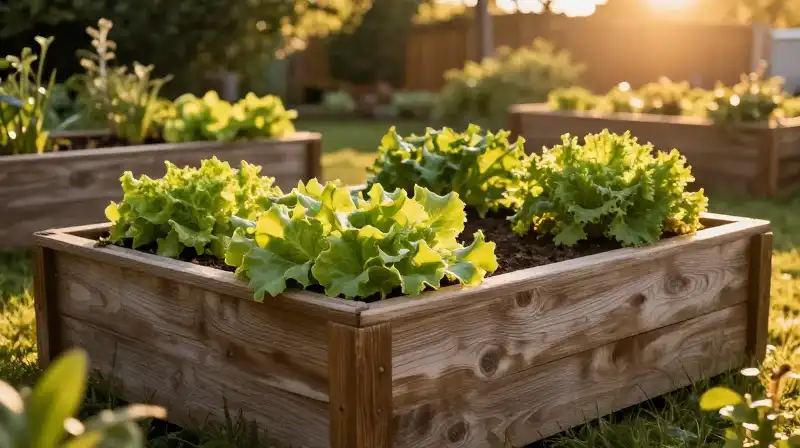
Treated Lumber for Garden Beds: A Guide to Safety and Selection

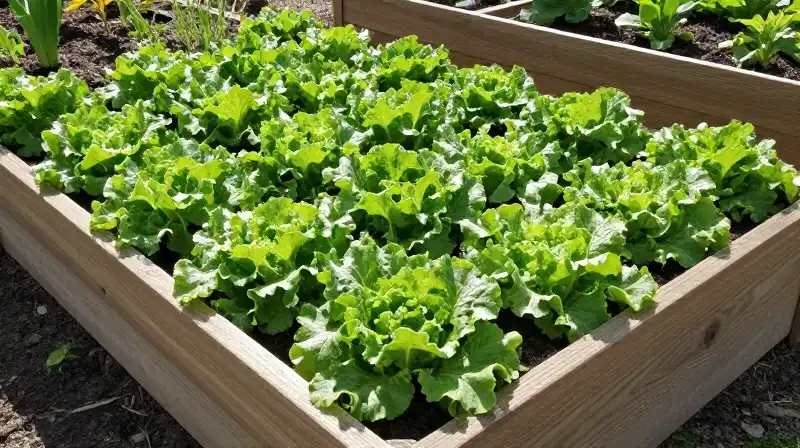
Introduction
For gardeners seeking a cost-effective and highly durable structure, pressure-treated lumber is widely used to construct raised garden beds. Modern standards confirm that when properly selected, this wood offers a safe and resilient solution that significantly outlasts untreated woods. Unlike common lumber like pine or fir, which can rot within a few seasons when exposed to continuous soil moisture, treated lumber is engineered to resist decomposition for many years. The main concern for many prospective users revolves around the chemical composition of the preservative, but understanding modern wood treatment allows for a decision rooted in safety and optimal gardening performance.
The Core Advantage: Durability and Longevity
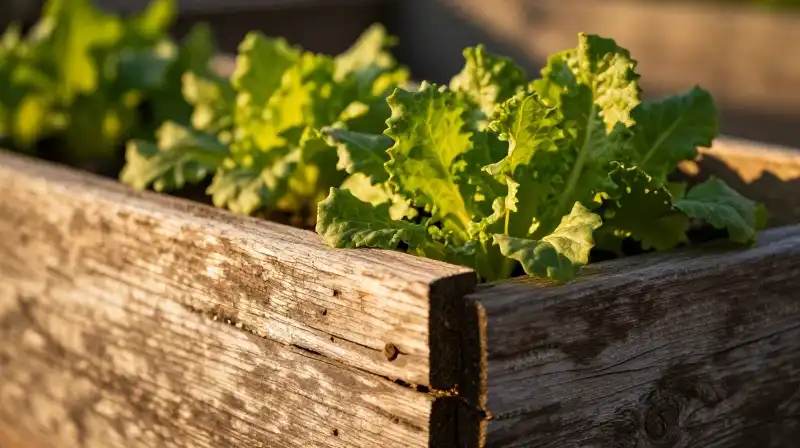
The primary benefit of using pressure-treated lumber for garden boxes is its resistance to environmental degradation. Wood treatment involves forcing chemical preservatives into the cellular structure of the timber under high pressure. This treatment makes the wood impervious to fungi, mold, and insects that typically lead to rapid decay in garden structures. Because raised beds hold constant moisture and are in direct contact with soil—conditions that accelerate wood rot—treated lumber provides a dramatically extended lifespan compared to untreated alternatives.
Furthermore, treated lumber remains a highly economical option. While premium, naturally rot-resistant woods like Western red cedar or redwood are beautiful and often preferred, they come with a significantly higher price tag. Using appropriately rated pressure-treated lumber allows gardeners to achieve a robust, long-lasting structure while maintaining a manageable project budget.
Understanding the Chemistry: How Safe is Pressure Treated Wood for Gardens?
Concerns about pressure-treated wood often focus on the potential for chemicals, specifically copper, to leach into the soil and be absorbed by vegetables. Modern residential pressure-treated lumber has transitioned away from older arsenic-based treatments. Today, most preservatives are copper-based, specifically compounds like Alkaline Copper Quaternary (ACQ) or Copper Azole (CA-C). These treatments are engineered to be stable, yet they are still chemically active for pest resistance.
Scientific studies regarding these products, including investigations by Oregon State University, have addressed the issue of chemical leaching. The research indicates that while pressure-treated wood does introduce copper into the immediate environment, this leaching is concentrated primarily within the top inch of soil adjacent to the bed’s side. Crucially, these studies have provided no evidence that the copper leaches at levels that would result in increased copper concentration or measurable levels of copper absorption in the herbs or vegetables grown inside the bed. The safety of these modern residential standards means that the risk is minimal under normal usage conditions.
How to Choose Treated Lumber for Garden Beds: Critical Selection Criteria
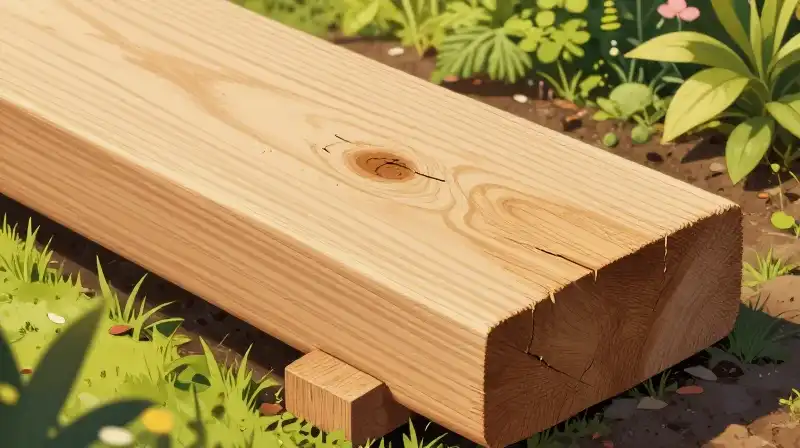
Not all treated lumber is created equal. Using the wrong type of lumber, even if it is technically “pressure-treated,” can compromise both the structure’s integrity and the intended use. The most important criterion to check when purchasing wood for raised garden beds is the application rating on the lumber’s stamp.
You must ensure the lumber is marked for “Ground Contact” (sometimes referred to as “Soil Contact”). This distinction is vital because “Ground Contact” lumber indicates the wood has been treated with a heavy-duty preservative designed to handle constant exposure to moisture, soil, and biological agents from the earth. Using standard “Above Ground” lumber—which is treated for use on decks or above-ground structures—is insufficient for garden beds, as it will rot much faster in soil.
Furthermore, always verify that the lumber is designated for “Residential Use”. Industrial-grade treatments, such as those found on railroad ties, are not intended for residential environments and carry far more aggressive chemicals, making them unsuitable for domestic garden use. Choosing wood with modern preservatives like ACQ (Alkaline Copper Quaternary) ensures you are selecting a contemporary, approved, and safer product.
Comparison of Materials: When Treated Wood Isn’t the Best Choice
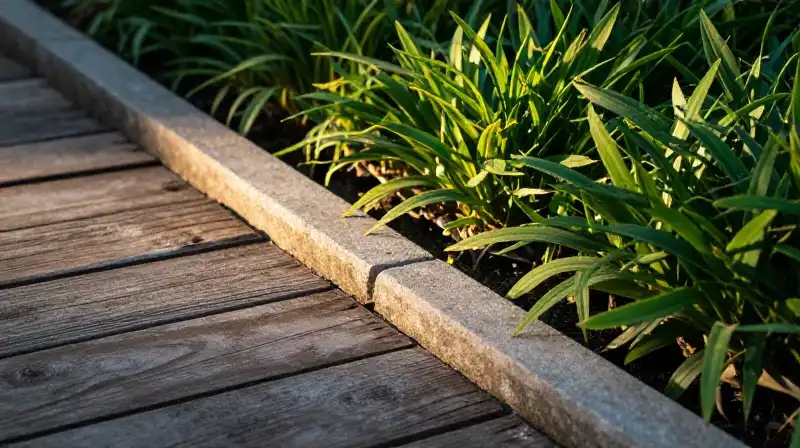
While pressure-treated lumber is an excellent, economical option, gardeners have several alternatives depending on their budget, aesthetic goals, and chemical sensitivity. Selecting the right material involves weighing cost, lifespan, and environmental impact.
| Material | Pros | Cons | Best For |
|---|---|---|---|
| Pressure-Treated Lumber | Highly durable; low cost; readily available | Chemical preservative concerns (minimal with modern ACQ); appearance can be bulky | Budget-conscious gardeners; large-scale projects |
| Cedar or Redwood | Naturally rot-resistant; beautiful appearance; zero chemical additives | High initial cost; requires periodic maintenance | Small to medium gardens; aesthetic focus; chemical sensitivity |
| Stone or Concrete Blocks | Zero chemical exposure; extremely long lifespan; no maintenance | Expensive; heavy; rigid and less flexible | Permanent structures; high-end design |
Addressing Common Misconceptions and Risks
A common misconception is that all pressure-treated wood is unsafe. This is a generalization. The key differentiator is the intended use and the type of preservative. As long as you source “Ground Contact,” “Residential Use” ACQ or CA-C lumber, you are utilizing a scientifically approved and safe material for the purpose of gardening.
Conversely, the primary risks to avoid are:
- Using “Above Ground” lumber in soil.
- Using wood treated for commercial or industrial purposes.
- Using materials like railroad ties for residential gardens.
Final Criteria for Selection: Your Decision Checklist
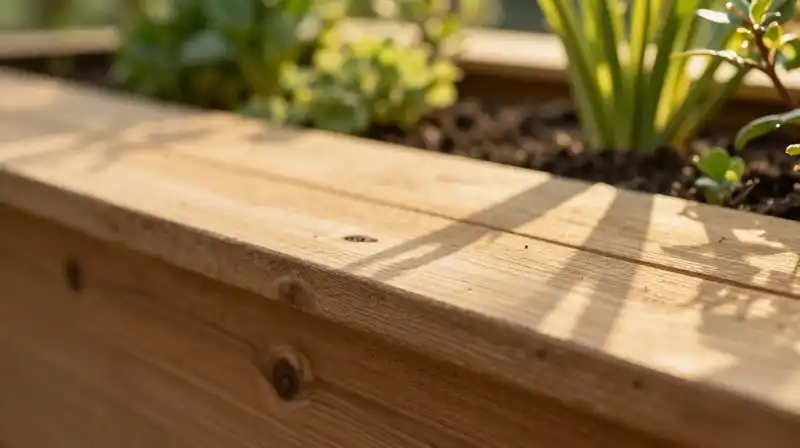
Before committing to a project, apply this checklist to ensure your raised bed design is both cost-effective and safe. This final synthesis helps bridge the gap between desire for cost savings and commitment to safety.
- Check the Label: Confirm the wood is stamped for “Ground Contact.”
- Verify Use: Ensure the lumber is specifically designated for “Residential” application.
- Assess Sensitivity: If you have severe chemical sensitivities, prioritize non-wood alternatives like stone or naturally resistant woods like Cedar.
- Budget vs. Longevity: If maximizing lifespan and durability on a budget is the goal, high-quality, ground-contact treated lumber is the most practical choice.
By verifying the ground contact rating and using modern, approved preservatives, pressure-treated lumber offers a powerful combination of economic efficiency and ecological viability for the modern home garden.
How to Choose Treated Lumber for Raised Garden Beds
Check the Label
Confirm the wood is stamped for "Ground Contact".
Verify Use
Ensure the lumber is specifically designated for "Residential" application.
Assess Sensitivity
If you have severe chemical sensitivities, prioritize non-wood alternatives like stone or naturally resistant woods like Cedar.
Budget vs. Longevity
If maximizing lifespan and durability on a budget is the goal, high-quality, ground-contact treated lumber is the most practical choice.
Related Articles