Growing Philodendron Splendid: A Definitive Care Guide

Introduction
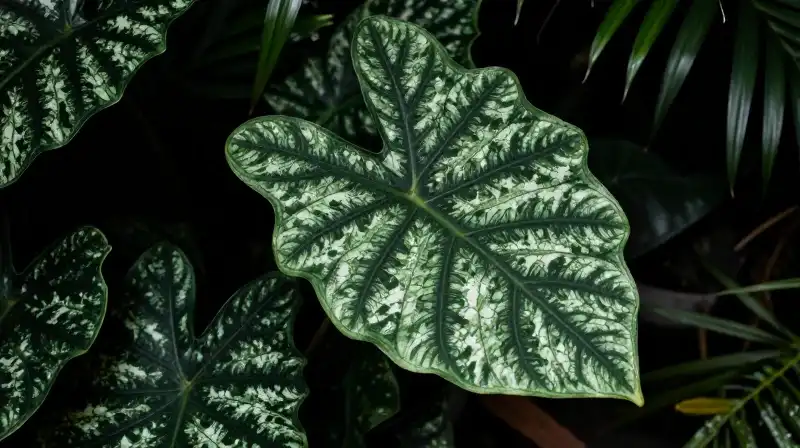
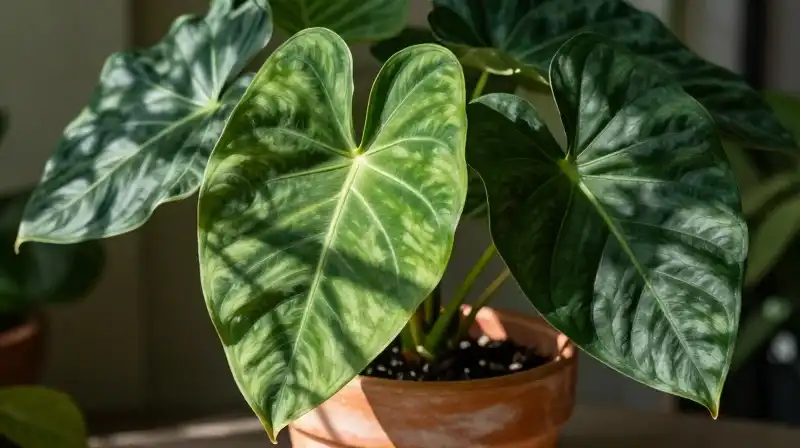
The Philodendron ‘Splendid’ is a striking hybrid, prized for its rich, velvety foliage and the beautiful red hues visible on the underside of its leaves. However, its dramatic appearance belies specific environmental needs that must be met for it to thrive. Unlike the creeping Philodendrons, ‘Splendid’ is a vigorous climber that requires a dedicated support structure to maximize its growth and leaf size. This guide provides the definitive care protocols, moving beyond general advice to give you the specific knowledge needed to cultivate a healthy, flourishing specimen.
Growth Habit: Climber vs. Crawler
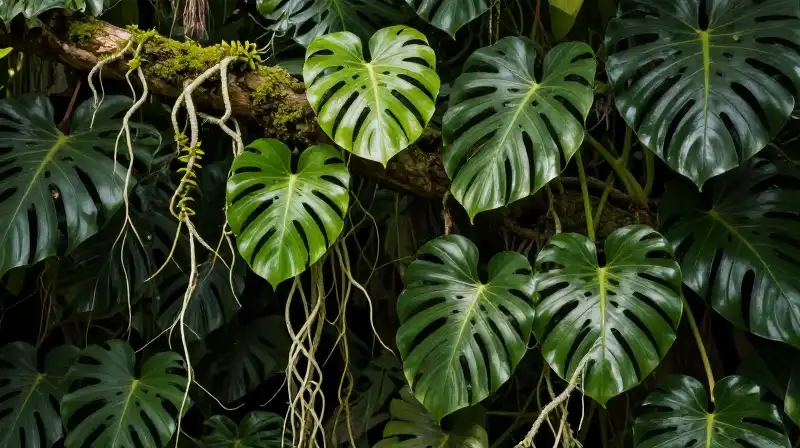
To directly address common questions regarding its growth style, the Philodendron ‘Splendid’ is definitively a climber. It does not crawl along the soil surface. As the plant matures, it requires vertical space, which is why providing a coco pole, moss pole, or trellis is not optional—it is essential for supporting the plant’s natural growth pattern and encouraging larger, more expansive leaves as they ascend.
Optimizing the Environment for Splendid
Because ‘Splendid’ is a tropical plant, its ideal living conditions mimic a warm, humid environment, allowing it to produce its signature lush leaves. Achieving this requires precise control over light and temperature.
Light Requirements: The plant craves several hours of bright, indirect light. While it appreciates exposure, harsh, direct sunlight can scorch its delicate foliage. Optimal placement involves positioning it where it receives bright illumination, but away from the intense, direct rays of midday sun. High light levels promote vigorous growth and the development of its deep coloration.
Temperature and Humidity: ‘Splendid’ thrives in warm temperatures, maintaining a sweet spot between 65°F and 90°F (18–32°C). Higher temperatures support active growth during the spring and summer. To complement this warmth, maintaining average to high humidity (ideally 60–70%) is crucial. Tropical plants often benefit from being placed near a humidifier or grouping them with other plants to increase local moisture.
Watering and Soil Selection: Preventing Root Rot
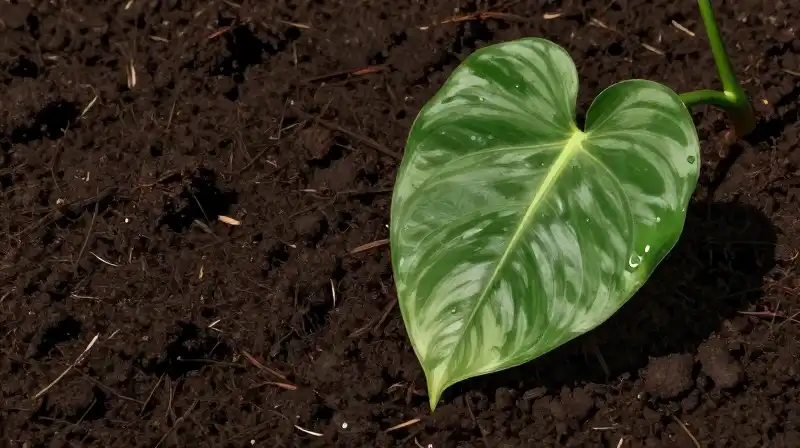
The greatest risk to Philodendron ‘Splendid’ is overwatering, which leads to fatal root rot. Proper watering and soil composition are paramount to its longevity.
Ideal Soil Mix: The plant needs a well-draining, airy soil rich in organic matter. A common, high-performance mix incorporates standard potting soil, perlite (for aeration), and orchid bark (for drainage). This composition ensures that excess moisture does not pool around the roots.
Hydration Schedule: Follow a careful schedule based on observation, not a fixed calendar. Wait until the soil has partially dried—approximately 50% dryness—before watering again. Allowing the soil to partially dry between waterings prevents waterlogged conditions, which are highly detrimental to the roots of this particular hybrid.
Encouraging Active Growth and Maintenance
To sustain a large, healthy specimen, routine maintenance like fertilization, repotting, and support management is necessary.
- Support Management: As the plant grows taller, ensure your support structure (moss pole or trellis) is robust enough to handle the increasing weight of the aerial vines.
- Fertilization: During active growing seasons (spring and summer), provide regular feeding using a diluted, balanced liquid fertilizer. This replenishes nutrients that the plant consumes as it produces larger leaves.
- Repotting: Only repot when the plant is clearly outgrowing its current container. Use a pot that is only two to four inches larger than the previous one. Repotting every one to two years is a good guideline for large, established specimens.
Troubleshooting and Pest Management
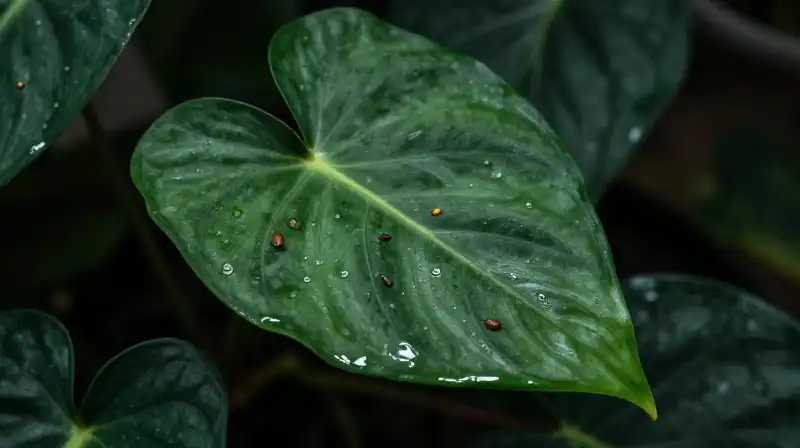
Even well-cared-for plants can face challenges. Being proactive in monitoring for stress signals is key to maintaining a vigorous ‘Splendid’.
- Yellowing Leaves: This often signals either overwatering (root stress) or a deficiency in light. Check your soil moisture first, then assess light exposure.
- Brown Spots: These can result from inconsistent hydration or chemical burn from harsh direct sunlight.
- Nutrient Balance: If growth slows despite proper light, ensure your fertilization schedule is being met, especially during spring and summer.
Pest Identification: Vigilance is required to catch common houseplant pests early. Look for evidence of spider mites, mealybugs, fungus gnats, and scale. If pests are detected, immediately isolate the plant and apply appropriate treatment to prevent the infestation from spreading to other plants.
Toxicity Warning: It is important to note that Philodendron ‘Splendid,’ like most Philodendron species, is toxic to humans and pets if ingested. Keep the plant safely out of reach of children and animals.
Summary of Success Factors
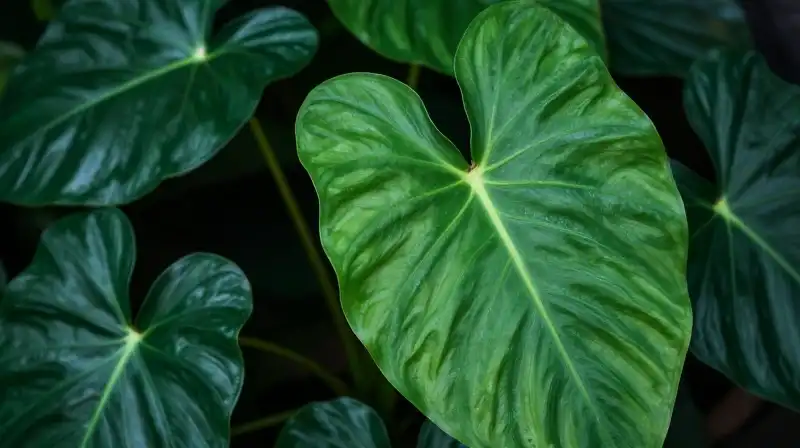
Cultivating a thriving Philodendron ‘Splendid’ is an exercise in precision and patience. Its success hinges on three critical factors: unwavering commitment to a climbing support structure, strict control over its hydration to avoid root rot, and providing consistent bright, indirect light. By addressing these needs—and regularly checking the soil moisture and inspecting for pests—you can ensure this unique hybrid achieves its full, magnificent potential.
Explore more: The Three Horns of Odin: Mythological Origins and Historical
Frequently Asked Questions
Is philodendron splendid a climber or crawler?
Philodendron ‘Splendid’ is definitively a climber and does not crawl along the soil surface. To maximize its growth and leaf size, it requires a dedicated support structure to ascend.
How to Care for a Philodendron Splendid
Provide Support Structure
Ensure the plant is given a dedicated support structure, such as a coco pole, moss pole, or trellis, as it is a vigorous climber that requires vertical space to maximize growth.
Optimize Lighting and Temperature
Place the plant in an area that receives several hours of bright, indirect light, maintaining a warm and humid environment between 65°F and 90°F (18–32°C).
Related Articles