Southernwood (Artemisia) Guide: Fragrance, Uses, and Care

Introduction
Southernwood, scientifically known as Artemisia abrotanum, is a perennial shrub celebrated for its striking foliage and potent aroma. Far more than a typical ornamental plant, this variety of the genus *Artemisia* has historically served as a fragrant air freshener, a medicinal aid, and a functional landscaping element. If you are seeking a plant that offers both visual appeal—characterized by soft, sea-green, narrow leaves—and a powerful, unique sensory experience, Southernwood is a distinct choice. This guide provides a detailed look at its identity, its strong camphor-like fragrance, and the practical steps needed for successful cultivation.
Botanical Identification and Common Names
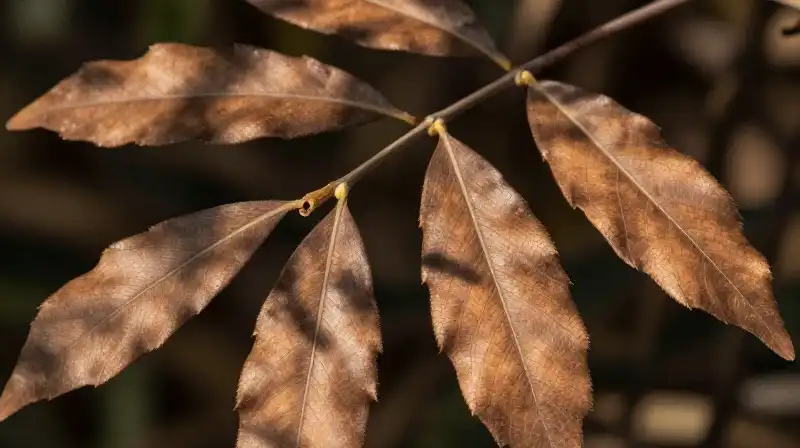 Southernwood is a versatile plant within the sunflower family (Asteraceae). While it is sometimes informally referred to by its vernacular names, it is important to know its official designations to ensure you are purchasing the correct specimen. The plant is recognized by several common names, including:
- Lad’s Love
- Maiden’s Ruin
- Southern Wood
- Southern Wormwood
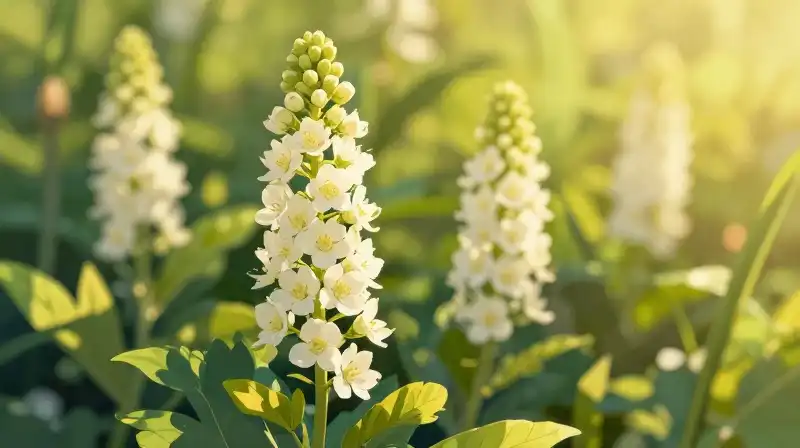
These names reflect its historical and aesthetic appeal. Southernwood typically forms a small, bushy habit and is distinguished by its grayish-green, narrow, feathery leaves. Although it produces small, cup-shaped flowers (yellow or brownish-cream), these are often secondary to the overall fragrance and foliage.
The Distinctive Fragrance Profile of Southernwood
 The most defining characteristic of Artemisia abrotanum is its robust, complex scent. Its fragrance is intense, sharp, and highly aromatic, often described as a potent mix of camphor, lemon, and tangerine. This volatile aroma makes the dried leaves extremely valuable. This scent offers several practical uses:
- Natural Repellent: The volatile oils have traditionally been used as a powerful insect deterrent, particularly effective against moths.
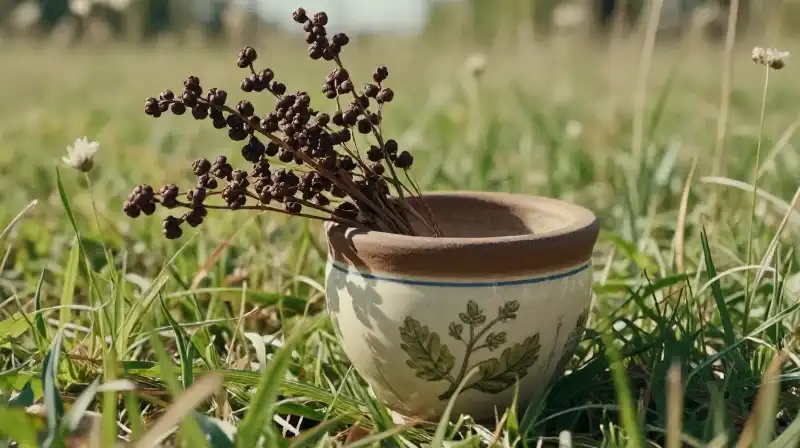
- Potpourri and Sachets: Dried Southernwood leaves maintain their strong odor long after harvest, making them ideal for creating custom potpourri or stuffing into sachets for wardrobes.
- Historical Applications: It was historically utilized as a masking scent in domestic settings and in historical floral arrangements.
Cultivation Guide and Maintenance
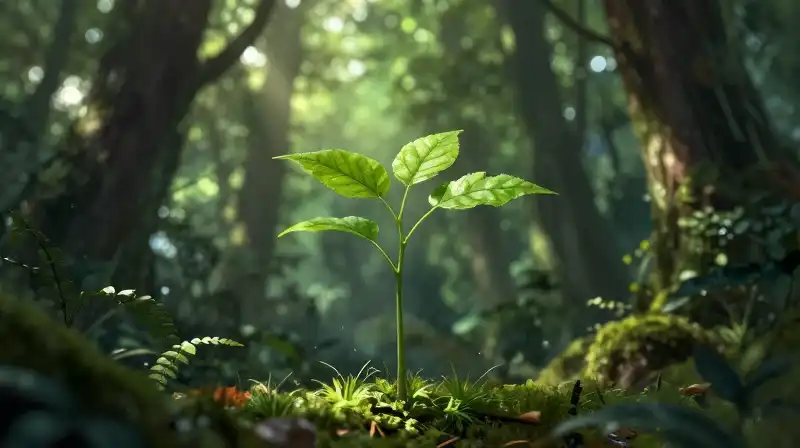 Southernwood thrives in environments that mimic its native, hot, dry climates, though careful planning is essential to prevent common issues like root rot.
Ideal Growing Conditions
To ensure your Southernwood thrives, pay attention to these environmental factors:
- Sun Exposure: Requires full sun exposure.
- Soil Type: Prefers acidic, well-drained soil. Avoid heavy, moisture-retentive clay.
- Climate: It is best suited for USDA hardiness zones 8 through 11. It is most successful in hot, dry climates.
Pruning and Care
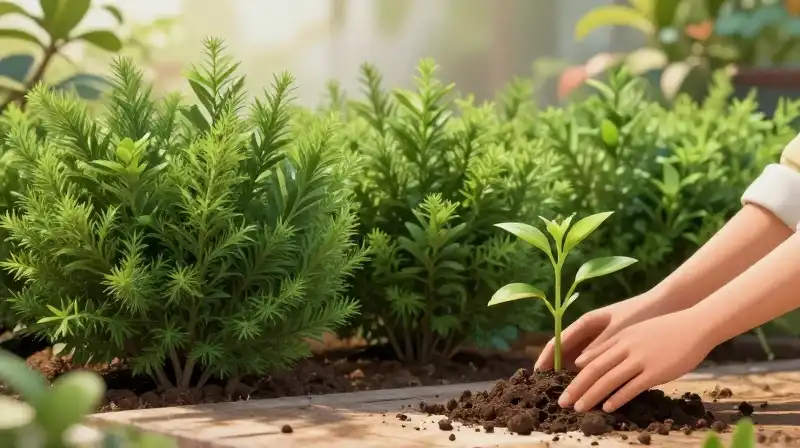
Southernwood has a naturally bushy growth habit, but its size can be controlled and maintained. For optimal landscaping and a sturdy, controlled appearance, shearing is recommended. The ideal height for shearing is generally between 18 inches and two feet, which keeps the plant manageable and encourages a dense, healthy form. While Southernwood is generally robust, it is highly susceptible to root rot, especially in humid weather, so consistent drainage is non-negotiable.
Practical Uses and Benefits of the Plant
 The benefits of Southernwood extend far beyond aesthetics, encompassing horticulture, traditional medicine, and pest control.
Horticulture and Landscaping
In landscaping, Southernwood provides year-round interest through its distinctive foliage and subtle sea-green color. Its ability to be easily shaped and its unique scent make it a versatile choice for adding texture and fragrance to gardens.
Historical and Medicinal Uses
Historically, Southernwood has been employed for various traditional remedies.
- Internal/External Care: Traditional uses include topical aqueous extracts for skin care and nasal spray treatments for allergic rhinitis.
- Digestive Support: Historical records, such as those related to the Shakers, indicate its use to treat issues like threadworms and intestinal obstructions.
- Dye: In the past, yellow dye could be extracted from its branches for use with wool.
Critical Safety Information and Limitations
 Because of its powerful chemical composition, Southernwood requires careful handling. Understanding its limitations is key to its safe enjoyment. Important Toxicity Warning: All aerial parts of Artemisia abrotanum contain substances that can be toxic to humans. This includes the bark, flowers, leaves, stems, and seeds. While the severity of the poisoning is generally low, responsible handling and storage are mandatory to prevent accidental ingestion. Another limitation to consider is that Southernwood is currently classified as a naturalized weed in parts of North America, meaning it can spread if not managed carefully.
Southernwood: A Summary of Decisions
 Choosing Southernwood depends on your desire for intense fragrance combined with specific growing conditions. Consider planting Southernwood if:
- You have ample full sun and acidic, well-drained soil.
- Your climate falls within USDA zones 8-11 and you can manage watering to prevent rot.
- You wish to incorporate a natural, long-lasting scent into your garden or home.
- You require a shrub that can be effectively sheared into a dense form.
If your area is prone to high humidity or poor drainage, or if you prefer a plant without a distinct, sharp odor, other varieties of the *Artemisia* genus or different perennial choices may be more suitable.
Frequently Asked Questions
What is southern wood good for?
Southernwood is good for functional landscaping, providing texture and fragrance to gardens, or for traditional uses as a fragrant air freshener, potpourri, and masking scent. Historically, it has also been employed for medicinal purposes, including topical skin care, nasal spray treatments, and treating intestinal issues.
What is another name for southernwood?
Southernwood is recognized by several common names, which include Lad’s Love, Maiden’s Ruin, Southern Wood, and Southern Wormwood.
Is southernwood easy to grow?
Southernwood requires specific conditions, such as full sun and acidic, well-drained soil, and is best suited for USDA hardiness zones 8 through 11. Due to its high susceptibility to root rot, especially in humid weather, consistent management and drainage are essential for successful cultivation.
What does southernwood smell like?
Southernwood has a robust, complex, intense, and sharp fragrance. It is often described as a potent mix of camphor, lemon, and tangerine.
How to Successfully Cultivate Southernwood
Assess Growing Conditions
Ensure the location receives full sun exposure and is within USDA hardiness zones 8 through 11.
Prepare the Soil
Plant in acidic, well-drained soil. Avoid using heavy, moisture-retentive clay.
Manage Drainage
Maintain consistent drainage, which is non-negotiable, to prevent root rot, especially in humid weather.
Shear and Maintain
For optimal landscaping and a sturdy, controlled appearance, shear the plant to an ideal height between 18 inches and two feet.
Related Articles