Emerald Green Arborvitaes: Care, Planting, and Best Uses Guide

Introduction
The Emerald Green Arborvitaes is highly regarded for its vibrant, shimmering foliage and exceptional reliability, making it one of the most sought-after evergreen choices for homeowners seeking structure and privacy. Unlike plants that demand constant attention, this species offers a dense, consistent emerald color that requires minimal fuss once established. Whether you are looking to create a robust privacy screen or simply add a striking, year-round accent to your landscape, understanding the specific needs of the emerald arborvitaes tree is essential for long-term success.
These adaptable shrubs are designed to thrive in various climates and soil types, fulfilling the need for a hardy, low-maintenance evergreen. This guide provides the detailed care, precise planting instructions, and usage scenarios necessary to ensure your emerald green arborvitaes flourish.
Determining the Best Application for Emerald Green Arborvitaes
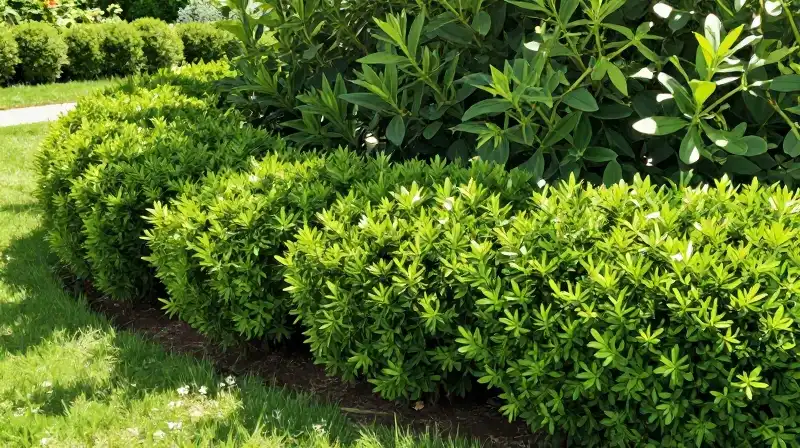
Emerald Green Arborvitaes performs differently depending on how it is planted. Its inherent qualities—dense growth, adaptability, and rich color—make it versatile, but the intended function of the plant dictates the correct planting density and expected outcome.
For Privacy Screens and Hedges: When the primary goal is to create a solid, dense barrier, this variety excels. Because it naturally forms a compact, solid wall, it does not require constant, severe pruning to maintain its density. For optimal, mature coverage, the plants should be spaced approximately 3–4 feet apart (on center). This allows enough room for individual growth while ensuring they grow together to form an unbroken privacy hedge.
As Specimen Accent Trees: If you are planting a single, focal specimen, adequate space is crucial for its mature root system and full canopy development. For individual show pieces, a minimum spacing of 6 feet is advised to prevent overcrowding and allow the tree to exhibit its full, impressive size and vibrant color. This variety is particularly effective planted adjacent to foundations to soften lines and provide year-round definition.
Site Preparation and Planting Requirements
Successful establishment of any emerald arborvitaes begins with proper site selection. Although the plant is highly adaptable, certain conditions are non-negotiable for achieving its full, robust potential.
Light and Soil Conditions
The emerald green arborvitaes requires ample sunlight to maintain its dense, vivid color and structure. The ideal placement is in areas receiving full sun, ideally around eight hours of direct sunlight daily. Regarding soil, the plant is highly versatile and can adapt to sandy, loamy, or clay soils. However, the single most critical requirement is that the soil must drain well. Poor drainage is the most common cause of root stress and failure in evergreens.
Initial Planting Protocol:
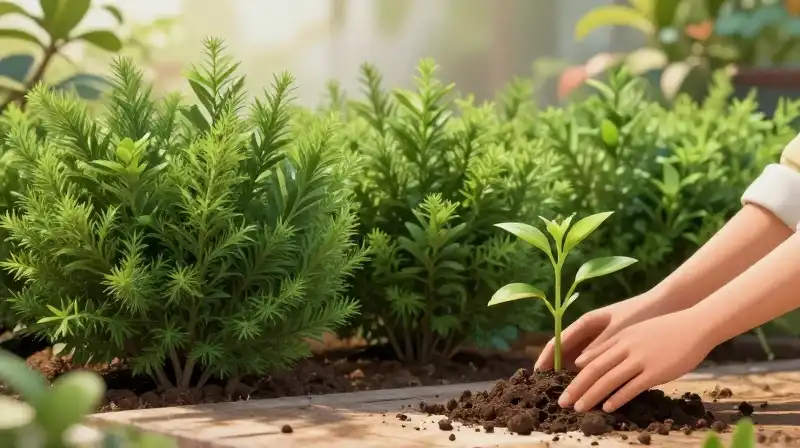
- Dig a hole that is slightly wider than the container but no deeper than the root ball.
- Add 2–3 inches of organic mulch around the base of the plant. This layer is vital for retaining soil moisture during the critical initial acclimation period.
- Begin the planting process by watering heavily immediately upon placing the plant in its hole to ensure good root-to-soil contact.
Long-term Maintenance and Care Guide
One of the greatest benefits of choosing the emerald green arborvitaes is its natural resilience, particularly its resistance to common pests, diseases, and cold weather extremes. Despite this low maintenance profile, routine care is needed in the early years to guarantee strong establishment.
Watering and Fertilization
While the trees are naturally drought-tolerant once mature, newly planted trees require consistent moisture to transition from the nursery environment. During the first year, deep, infrequent watering is more effective than light, frequent sprinkling. Aim to water deeply approximately twice per week until the plant is well-established. After establishment, watering needs decrease significantly, and the natural drought resistance of the tree takes over.
Fertilization is recommended at the time of planting to kickstart growth. After the initial application, one feeding per year—specifically in the spring—using a balanced, slow-release formula will sustain its health without the need for excessive fuss.
Pruning and Seasonal Changes
The emerald green arborvitaes is generally maintenance-free regarding shaping. It has a natural ability to form a dense, solid barrier without constant intervention. Pruning is only necessary if aesthetic goals require a specific shape, but it is not required for general hedge maintenance. While some temporary bronzing may occur during severe cold winter weather, this is merely a cosmetic change. The vibrant emerald color will naturally return as the weather transitions into spring.
The Jumbo Emerald Green Arborvitaes: Instant Impact
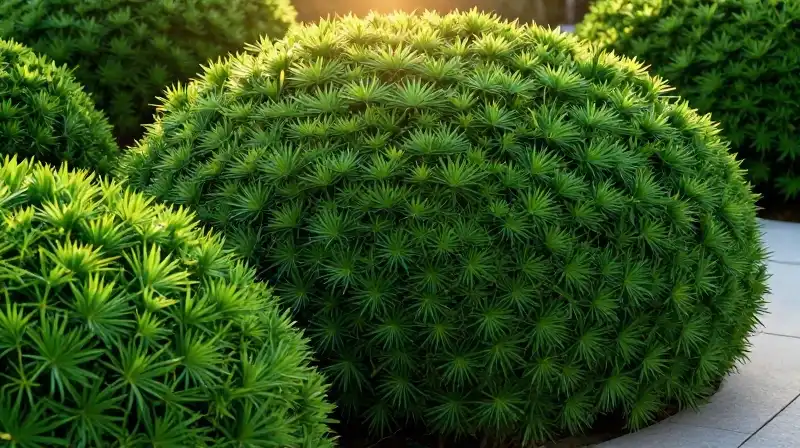
For landscape architects or homeowners looking for an immediate, high-impact result, the Jumbo Emerald Green Arborvitaes offers a unique advantage. This specialized variety is sold as a mature plant in a large container (typically 10–15 gallons), signifying superior root development right from the start.
The advantage of selecting a Jumbo specimen is its accelerated growth and immediate, mature appearance. Large, mature plants exhibit superior nutrient absorption capacity and a fuller overall structure compared to smaller nursery starts. This makes them ideal for smaller spaces where a rapid transition to a lush, mature presence is needed.
Environmental Limits and Performance Overview
While the emerald arborvitaes is hardy and adaptable, understanding its limits provides crucial clarity before planting. It is a reliable performer across diverse growing environments, but performance is tied to environmental constraints.
Key Performance Factors:
- Light: Must receive full sun (ideally 8+ hours). Shaded locations will result in weaker growth and potential color loss.
- Pests and Disease: The species is notably resistant to most common pests and diseases, dramatically lowering intervention requirements.
- Climate: It tolerates cold weather extremes and is naturally suited for environments that are not extremely arid, provided good soil moisture is maintained during establishment.
Because it is exceptionally adaptable, the primary limiting factor in its growth is often the quality of drainage and the amount of direct sunlight provided.
Summary of Emerald Arborvitaes Decision Criteria
Before committing to the emerald green arborvitaes, consider these practical criteria to align the plant with your landscape goals:
| Goal | Planting Strategy | Maintenance Level | Best For |
|---|---|---|---|
| Maximum Privacy Hedge | 3–4 feet spacing (on center) | Low (minimal pruning) | Large yards, property lines |
| Focal Specimen | 6+ feet spacing | Low (light shaping) | Garden accents, near foundations |
| Instant Mature Effect | Jumbo/Large container specimen | Very Low | Smaller plots, quick design changes |
By balancing these usage scenarios against the foundational care requirements—specifically full sun, adequate drainage, and initial deep watering—you can confidently utilize the emerald green arborvitaes to create a lasting, vibrant, and impressively low-maintenance evergreen structure.
How to Plant and Care for Emerald Green Arborvitaes
Prepare the Site
Ensure the chosen location receives ample sunlight (ideally 8 hours) and that the soil drains well, as poor drainage stresses the roots.
Dig the Hole
Dig a hole that is slightly wider than the plant's container but not deeper than the original root ball.
Add Mulch
Add 2–3 inches of organic mulch around the base of the plant to help retain soil moisture during establishment.
Plant the Arborvitaes
Place the plant in the hole and water heavily immediately to ensure good root-to-soil contact.
Initial Watering
During the first year after planting, water deeply and infrequently, aiming for approximately twice per week until the tree is well-established.
Annual Fertilization
After the initial establishment phase, fertilize the plant once per year, specifically in the spring, using a balanced, slow-release formula.
Related Articles