Growing Purple Snapdragons: Complete Care and Blooming Guide

Introduction
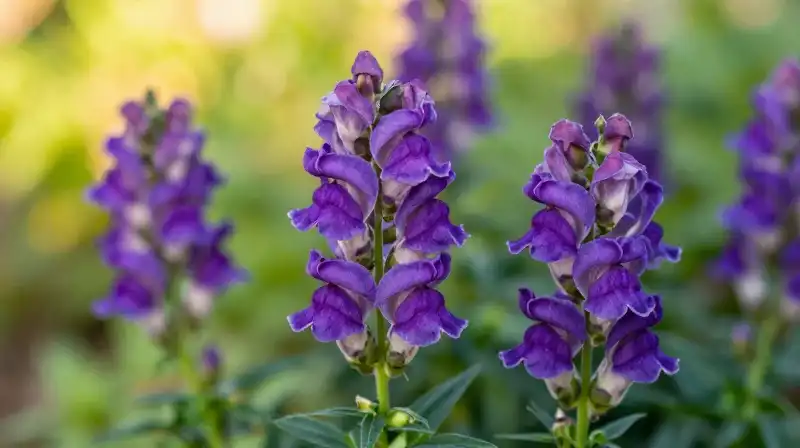
Cultivating purple snapdragons offers unique rewards, combining vibrant color with a reliable, long blooming cycle. Unlike many seasonal plants, these architectural flowers provide persistent interest in a garden. Successfully growing purple snapdragons relies on meeting specific environmental demands—chief among them, a love for full sunlight and consistent, warm conditions. This guide details the precise care needed for these ornamental plants, addressing everything from ideal planting techniques to maximizing their floral displays and understanding their symbolism.
Optimal Placement and Temperature Requirements
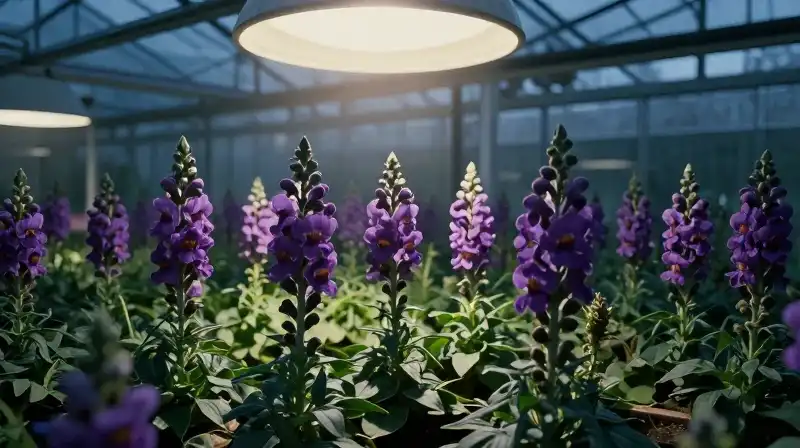
Snapdragons thrive when they are offered the most space and light a garden can provide. For best results, ensure your planting site receives full sun. While some varieties can manage partial shade, especially in warmer climates, the intense light fuels the robust blooming expected of the species. Temperature plays a crucial role; the flowering cycle typically accelerates and completes once ambient temperatures consistently exceed 80°F. Furthermore, initial germination, which typically occurs within 10 to 21 days at 55°F, requires consistent warmth and light.
Preparing the Growing Medium and Planting Seedlings
Choosing the right soil is vital for the health and structural integrity of the snapdragons. The preferred medium must be rich, moist, and exceptionally well-drained. Since these plants develop tall, upright forms, saturated soil can lead to root rot, hindering their impressive growth. When establishing a patch, it is highly recommended to use transplanted seedlings rather than direct sowing. This approach ensures a higher rate of survival and immediate establishment in the garden.
When positioning the plants, remember that proper spacing varies significantly based on the variety’s intended shape. Dwarf types require less room, while the tall varieties must be given adequate space to fully extend their stems and allow air circulation, which is key to preventing fungal issues.
Watering Techniques and Ongoing Maintenance
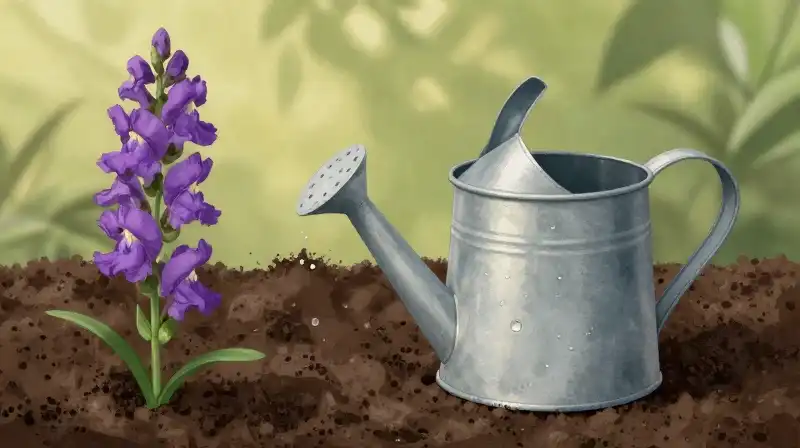
Watering snapdragons requires precision. Care must be taken to avoid overhead application, as this can lead to crown rot. Instead, consistently moist, deep watering directed at the base of the plant encourages strong root development and robust stems. Consistent hydration supports the plant throughout its multi-stage flowering cycle.
To ensure prolonged floral performance, regular maintenance is necessary. Once the flowers begin to finish or fade, they should be pruned or “deadheaded.” This practice removes spent blooms, channeling the plant’s energy into producing new buds, significantly extending the overall blooming period. Pruning, or cutting back the plants, is also a useful technique for encouraging renewed growth and a more compact appearance.
Understanding Purple Snapdragon Symbolism and Edibility
Many gardeners ask about the meaning behind specific colors. Purple snapdragons are commonly associated with dignity, pride, and mystery. They provide a rich, regal texture to any floral arrangement or garden bed.
Regarding the safety of consumption, it is important to clarify that snapdragons are ornamental plants. They are generally not considered edible for human consumption.
Growing Against the Cold: Snapdragons and Frost Limits
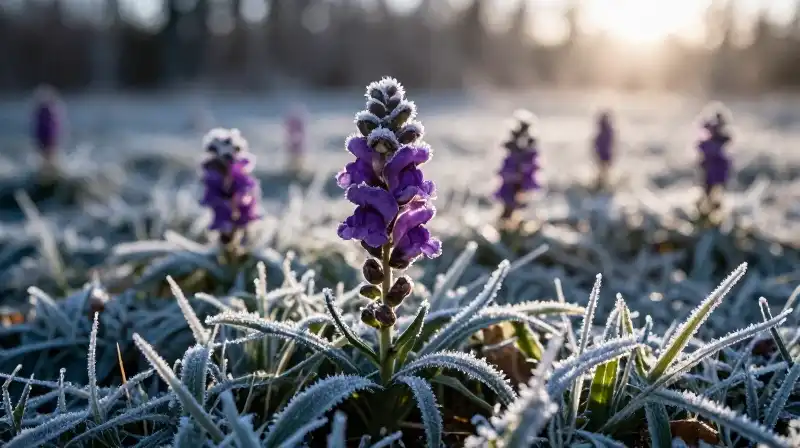
While purple snapdragons are not typically considered hardy perennial survivors in most climates, they exhibit remarkable tolerance to cold when protected. They can survive temperatures dipping as low as 18°F. However, this extreme cold tolerance applies more to the plant’s hardiness than its commercial viability, as they are best treated as annuals or short-term patio companions. During prolonged freezes, protecting the plants from excessive exposure will be necessary to ensure their survival through the winter.
Practical Considerations for Selecting Purple Varieties
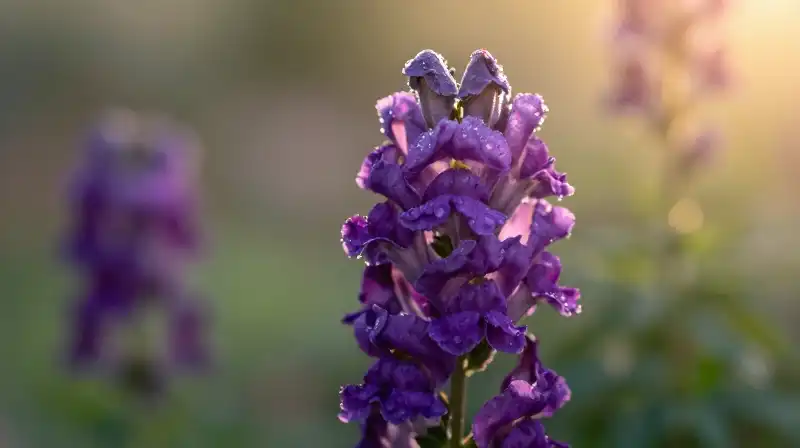
When looking for purple snapdragons for sale, consider the structural form you wish to achieve, as different types present different maintenance needs and aesthetic impacts:
- ‘Snapping’ Forms: These maintain the traditional, upright architectural shape.
- ‘Butterfly’ Forms: Characterized by an open mouth, these varieties are often highly attractive to pollinators.
- ‘Azalea’ Forms: These tend to be more clustered and dense.
Summary of Growing Success Criteria
Achieving a magnificent display of purple snapdragons requires adhering to a few core principles. Prioritize full sun exposure to maximize bloom density and manage your soil to ensure it is rich yet drains effectively. Water carefully at the base to maintain optimal moisture without risking rot. By using the correct spacing for your specific variety and diligently deadheading spent blooms, you can encourage continuous flowering. These structural plants are not only valued for their beauty and ability to attract hummingbirds but also for their dependable, extended blooming season.
Explore more: The Three Horns of Odin: Mythological Origins and Historical
Frequently Asked Questions
Can snapdragons be purple?
Purple snapdragons are featured throughout the article, and their cultivation is detailed as they are associated with dignity, pride, and mystery.
What does purple snapdragon symbolize?
Purple snapdragons are commonly associated with dignity, pride, and mystery.
Are purple snapdragons edible?
Snapdragons are ornamental plants and are generally not considered edible for human consumption.
How to Grow Purple Snapdragons
Choose Optimal Placement
Ensure the planting site receives full sun and maintain consistent, warm conditions, with flowering accelerating once temperatures exceed 80°F.
Prepare Growing Medium
Select a rich, moist, and exceptionally well-drained soil, as saturated soil can lead to root rot.
Plant Seedlings Correctly
Use transplanted seedlings rather than direct sowing and position them with adequate space to allow for full stem extension and air circulation.
Apply Proper Watering Techniques
Water consistently and deeply by directing moisture at the base of the plant, strictly avoiding overhead application to prevent crown rot.
Maintain Blooms through Deadheading
Once flowers begin to fade or finish, prune or "deadhead" them to channel the plant's energy into producing new buds and extending the blooming period.
Encourage Growth with Pruning
Periodically cut back the plants to encourage renewed growth and achieve a more compact and healthy appearance.
Related Articles