
Red Marigold Selection: Avoiding Orange Hues and Choosing True Red

Introduction
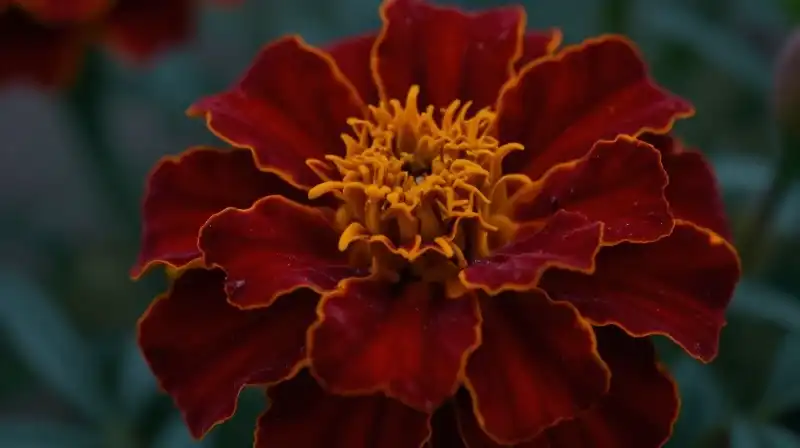
For gardeners seeking dramatic pops of color, the marigold (*Tagetes*) offers enduring vibrancy. While the traditional palette of these blooms often features bright yellows and oranges, acquiring a truly deep, true red marigold requires a focused approach. The primary challenge in selecting red marigolds is discerning the difference between an intense crimson and a vivid orange-red, especially given the natural variation in pigmentation and how color shifts as the flower matures. This guide focuses on practical selection criteria to help you avoid subtle orange undertones and successfully choose strains that deliver the specific scarlet or deep red hue you desire for your landscape design.
The Nuance of Red vs. Orange-Red in Marigolds
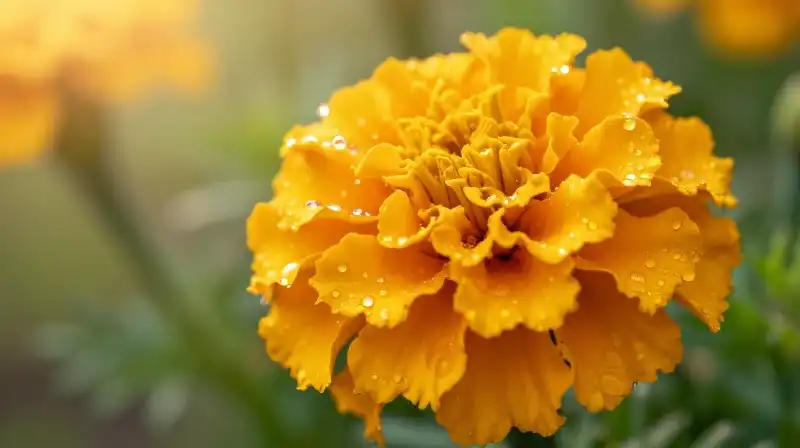
Color perception in marigolds is often misleading. What appears to be a deep red in a nursery catalog may, upon maturity, transition toward an orange-red, a common occurrence across many cultivars. Achieving a “true red” means looking for specific genetic markers within the plant. Orange-red shades are frequently the result of intense carotenoid pigments, whereas true deep reds often involve a different spectral profile. Understanding this distinction is the first step toward successful purchasing, particularly when browsing red marigold seeds or checking varieties for sale.
Many consumers assume all “red” marigolds are the same, but subtle variations in genetics dictate the final pigment. A deep, saturated red (like scarlet or burgundy) is distinct from a fiery, orange-leaning red. When reviewing product listings, look beyond the immediate photo; seek descriptions that use precise color terminology—terms like ‘crimson,’ ‘scarlet,’ or ‘deep ruby’ are more reliable indicators than generic ‘red.‘
Practical Criteria for Selecting True Red Marigold Blooms
To ensure you are investing in the right genetics, apply these practical decision criteria when selecting marigold varieties:
- Examine Maturity: Always compare close-up photos of both newly opened blooms and fully mature flowers. If the color appears intensely saturated and stable from bud to fullest bloom, the cultivar is more likely to maintain a deep red hue.
- Check Variety Descriptions: Search results mentioning specific strains, such as the “Red cherry french marigold” or “Durango red marigold,” often come with breeder notes that describe the intensity of the pigment. Prioritize these specific varieties over generic bulk listings.
- Assess Hue Consistency: Look for images where the red is uniform across the entire bloom, not concentrated at the tips or edges. A vibrant, solid color suggests a more stable and true pigment.
Marigold Color Shifts: Understanding Maturation and Fading
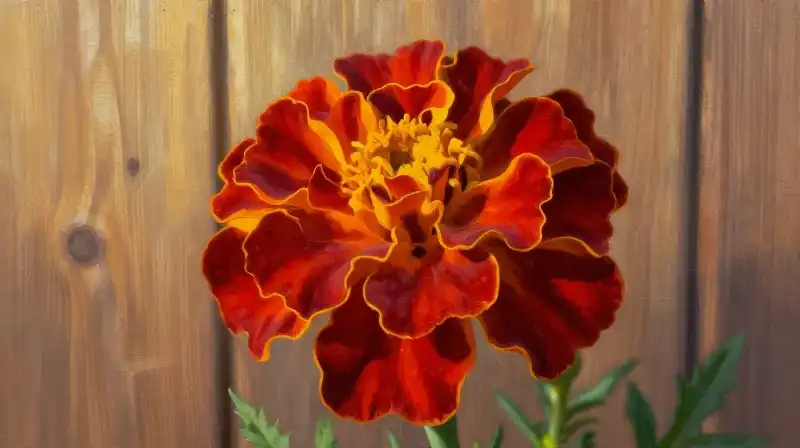
One critical factor often overlooked is the life cycle of the bloom itself. As red marigolds age, their color is highly prone to shifting. This is a common evolutionary trait in many *Tagetes* species, and gardeners must factor this into their expectations. A newly opened red marigold will typically present its most vibrant and deepest color.
As the flower ages and begins to fade, the true red pigment often breaks down, transitioning into warmer, deeper orange or rust tones. Therefore, if your landscape design requires sustained, true red coloration, focus on varieties that demonstrate pigment stability, or plan for the design to incorporate these beautiful orange transitions as the season progresses. If the immediate, brilliant red is your goal, select those marked as peak bloom. This knowledge helps manage expectations, ensuring you are not surprised when a fresh crimson bloom fades slightly to a coppery tone.
Comparing Variety Characteristics: French vs. African Red Marigolds
While the summary of red marigolds is often broad, the specific cultivar you choose affects the final look of your planting. The two most commonly used varieties—French and African—behave differently, which impacts color intensity and plant structure.
| Feature | French Marigolds (Tagetes patula) | African Marigolds (Tagetes erecta) |
|---|---|---|
| Structure | Stout, dense, typically 2’–3’ tall. | Larger, more robust, often forming towering heads. |
| Bloom Density | Dense, compact flower heads. | Large, prominent, often multiple layers of petals. |
| Color Tendency | Can produce very deep, saturated reds. | Produces high-impact, vivid blooms; red tones are strong but often highly brilliant. |
When sourcing red marigold seeds or choosing a specific type like the ‘Red cherry french marigold,’ consider the structure you want. The French type offers a dense, ground-covering look, while the African marigold provides powerful, focal points of color.
Ensuring Optimal Growth for Deep Red Hues
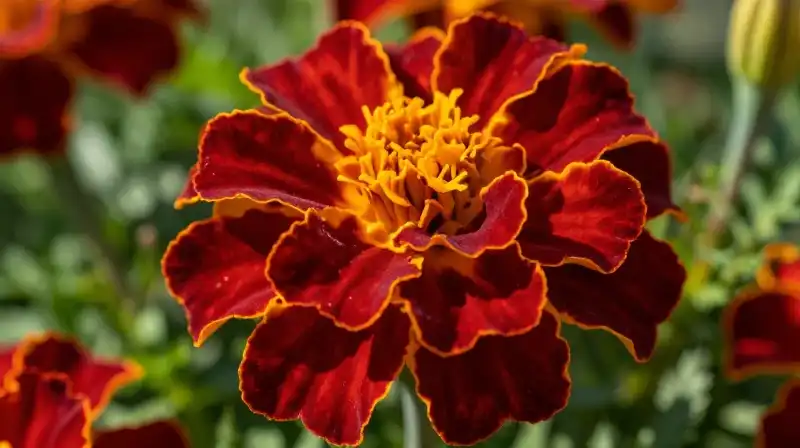
The chosen cultivar sets the color potential, but successful cultivation maximizes it. Red marigolds thrive in heat and sunshine, which are essential for robust pigment development. To help your red marigolds achieve their deepest coloration, maintain optimal growing conditions:
- Provide High Light Exposure: Marigolds require at least six hours of direct sunlight daily. Insufficient light often results in pale, less saturated blooms.
- Consistent Watering: Deep watering is necessary, but avoid overly saturated soil, which can stress the plant and affect bloom health.
- Fertilize Appropriately: Use a fertilizer balanced for flowering, focusing on the phosphorus component, which encourages robust bloom development and vibrant coloration.
Final Selection Checklist for Red Marigolds
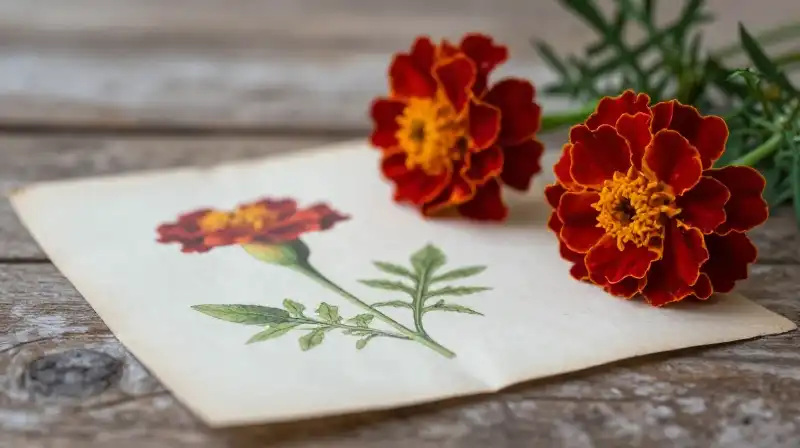
When purchasing red marigold seeds or selecting flowers for sale, use this quick checklist to filter out ambiguous orange tones:
- Is the description specific (e.g., “Deep Scarlet,” not just “Red”)?
- Are there clear photos of both young and mature blooms?
- Do the bloom tips maintain the intensity of the center?
- Does the cultivar exhibit the stable red you need, or is the color likely to shift dramatically to orange?
By focusing on these practical selection criteria and understanding the inherent lifecycle of the bloom, you can confidently choose the true red marigolds that will provide the stunning, saturated color your landscape demands.
Explore more: The Three Horns of Odin: Mythological Origins and Historical
Ensuring Optimal Growth for Deep Red Marigold Hues
Provide High Light Exposure
Marigolds require at least six hours of direct sunlight daily; insufficient light often results in pale, less saturated blooms.
Maintain Consistent Watering
Apply deep watering to the plants, but avoid overly saturated soil, which can stress the plant and affect bloom health.
Fertilize Appropriately
Use a fertilizer balanced for flowering, focusing on the phosphorus component to encourage robust bloom development and vibrant coloration.
Related Articles