Peter’s Honey Fig Hardiness: A Guide to Cultivation and Flavor

Introduction
Peter’s Honey fig is celebrated for its unique, intensely sweet flavor, originating from Sicily before Peter Danna introduced this gourmet variety to North American gardeners. Unlike many exotic fruits, this fig is noted for its robust nature and ease of cultivation. When assessing whether to plant a Peter’s Honey fig, the key consideration is its ability to thrive in varied environments—from warm city microclimates to surprisingly cool regions—while consistently producing a high-quality crop.
Climate Suitability and Hardiness Limits
 A common concern when planting exotic figs is their sensitivity to cold. Peter’s Honey fig offers a level of resilience that makes it a viable option for gardeners in many climates, but specific considerations are necessary.
The variety is classified as hardy, capable of surviving temperatures between 0°F and 5°F. However, this only refers to cold tolerance, not necessarily optimal growing conditions. While it can withstand these dips, it performs best in warm, stable climates.
For gardeners in cooler zones, successfully growing a Peter’s Honey fig requires strategic placement to maximize thermal gain. Positioning the plant against a south-facing wall is a highly effective technique to utilize ambient heat, ensuring the tree receives the necessary warmth during colder periods.
Cultivation Requirements and Growth Profile
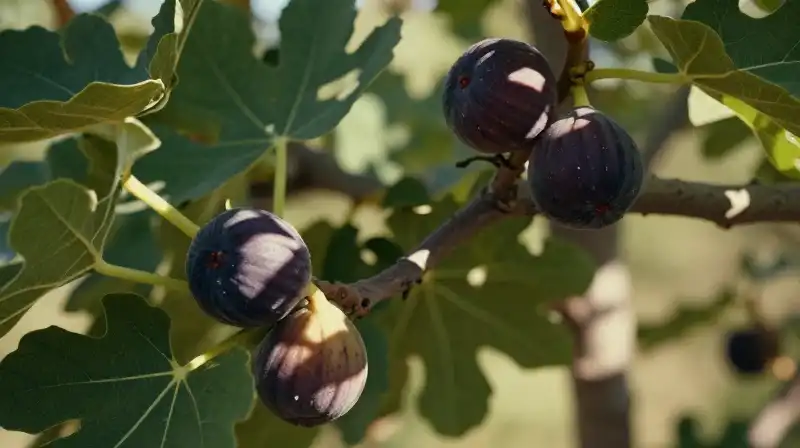 Understanding the growth pattern of the Peter’s Honey fig helps manage expectations regarding size and effort.
These trees are exceptionally productive, with mature specimens typically reaching a height of 8 to 10 feet. This vertical growth allows for effective pruning, which is beneficial for managing the size of the tree while encouraging robust fruiting. If you are searching for a Peter’s honey fig tree for sale, confirm that the seller is knowledgeable about the required support if the tree grows significantly.
The fig is a self-fruitful variety. This is a significant practical advantage, as it means the tree does not require external pollination from another fig variety to produce fruit. While native pollinators may assist, the fig is genetically equipped to bear fruit on its own.
The cultivation timeline is relatively quick for a woody plant. The tree usually begins bearing fruit between 1 and 2 years after planting, and peak ripening typically occurs from late July to early August.
Flavor and Harvest Yield
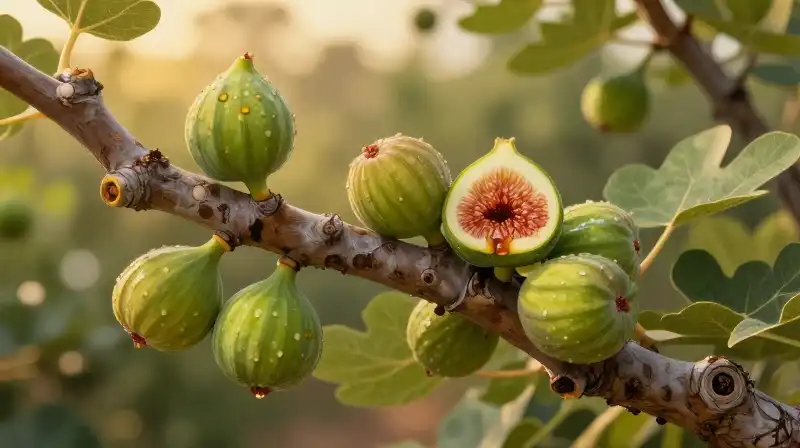
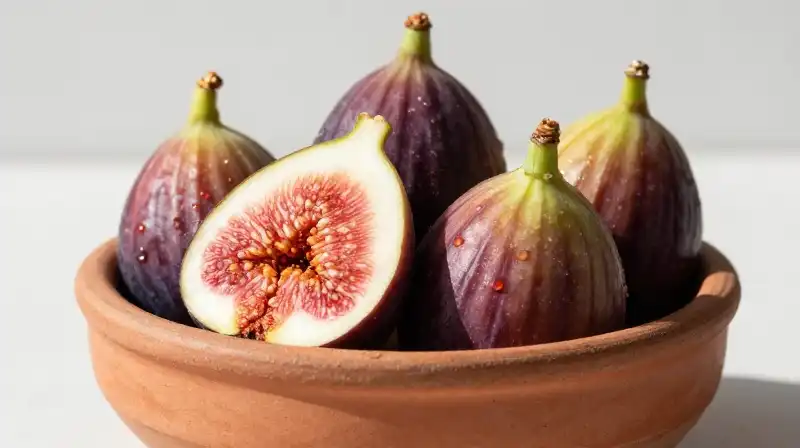
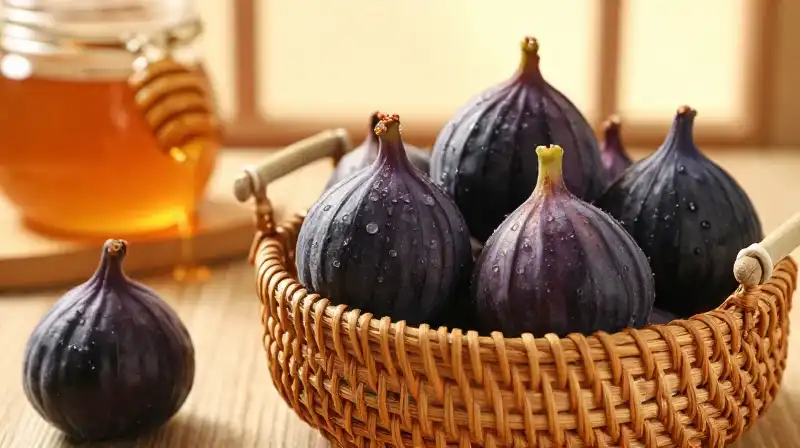 The primary draw of the Peter’s Honey fig is its culinary quality. The fruit itself is a distinct feature, characterized by its yellowish-green skin and a tender, deep dark amber flesh.
The flavor is consistently described as rich and honey-sweet, making it a gourmet option for consumption fresh or processed. In terms of productivity, each healthy plant has the potential to yield between 10 and 15 pounds of fruit, or even more, making it a valuable addition to a landscape or backyard harvest.
Distinguishing Peter’s Honey Fig from Alternatives
A common point of confusion is differentiating Peter’s Honey fig from other similar varieties, such as the Italian Honey Fig. While both share a sweet profile, key differences exist.
| Feature | Peter’s Honey Fig | Italian Honey Fig |
|---|---|---|
| Origin | Sicily (introduced by Peter Danna) | Italy |
| Hardiness/Availability | Known for robustness and ease of cultivation in varied climates. | Can vary; often requires specific cultivation advice. |
| Flavor Profile | Deep, rich, and intensely sweet (honey-sweet). | Sweet, but often with subtle differences in texture and intensity. |
When researching options like Peter’s Honey fig vs Kadota, the primary factor is always personal preference, though Peter’s Honey Fig is widely recognized for its reliability and strong flavor profile. To address the query, “What is another name for Peter’s honey fig?”, while it may be referred to regionally as a Honey Fig, its specific cultivar name—Peter’s Honey Fig—is the most accurate identifier.
Managing Pests and Common Plant Health Issues
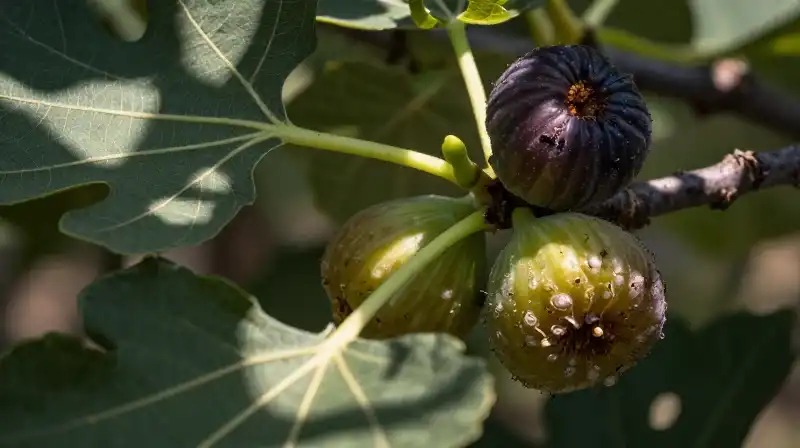 Figs are naturally somewhat resistant to many common local garden pests, which reduces the need for intensive chemical interventions. However, two specific areas require attention: birds and viral conditions.
Because the fruit is highly appealing, bird deterrence is often necessary. While the fig is less likely to be consumed by deer compared to other garden fruits, birds can significantly impact the harvest. Physical netting is the most practical way to protect the yield.
It is important to understand that Fig Mosaic Virus (FMV) is a very common and typically benign condition found across almost all cultivated fig varieties. Unlike aggressive diseases, FMV usually does not pose a lethal threat to the tree, but it can sometimes affect fruit size or leaf appearance. If you suspect FMV, professional guidance on management is advisable, though it should not be a primary concern for a newly planted tree.
Practical Decision Criteria for Cultivation
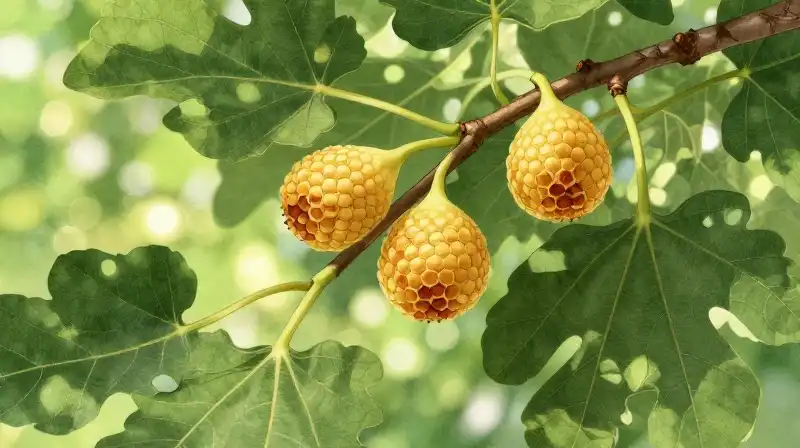 Before planting a Peter’s Honey fig, evaluate your site against these practical considerations:
- Sunlight: Ensure the location receives abundant, direct sunlight throughout the day to maximize fruit production.
- Drainage: Figs prefer well-drained soil. Avoid planting in areas where water collects, as this can lead to root rot.
- Spacing: Allow adequate space for the mature tree (8–10 feet) to grow and receive airflow, preventing fungal issues.
- Winter Protection: Even with the tree’s cold hardiness, strategic protection (like utilizing a south-facing wall) is a wise insurance policy in marginal climates.
In summary, the Peter’s Honey fig offers a high-quality, self-pollinating harvest with significant cold hardiness for a fig variety. Its suitability for your garden depends on managing the initial planting environment, ensuring proper soil drainage, and planning for basic bird deterrence to secure the exceptionally sweet and tender harvest.
Frequently Asked Questions
Are peters honey figs cold hardy?
Peters Honey fig is classified as hardy and can survive temperatures between 0°F and 5°F. For gardeners in cooler zones, successful cultivation requires strategic placement to maximize thermal gain.
What is the difference between Italian Honey Fig and Peter's honey fig?
Peters Honey Fig, originating in Sicily, is characterized by a deep, rich, and intensely sweet flavor and a known robustness, whereas the Italian Honey Fig comes from Italy and is generally sweet but may have subtle variations in texture and intensity.
What is another name for Peter's honey fig?
The article states that while Peters Honey fig is its specific cultivar name, it may be referred to regionally as a Honey Fig. It is also mentioned alongside the Italian Honey Fig as a similar variety.
Preparing a Site for Peter's Honey Fig
Evaluate Sunlight
Ensure the location receives abundant, direct sunlight throughout the day to maximize fruit production.
Ensure Proper Drainage
Select well-drained soil and avoid planting in areas where water collects, which can lead to root rot.
Allow Adequate Spacing
Allow ample space for the mature tree (up to 8-10 feet) to grow, facilitating air circulation and preventing fungal issues.
Implement Winter Protection
In marginal climates, use strategic protection, such as positioning the plant against a south-facing wall, as an insurance policy against cold.
Related Articles