Growing Daikon Radish from Seed to Harvest: Expert Tips and Care

Introduction
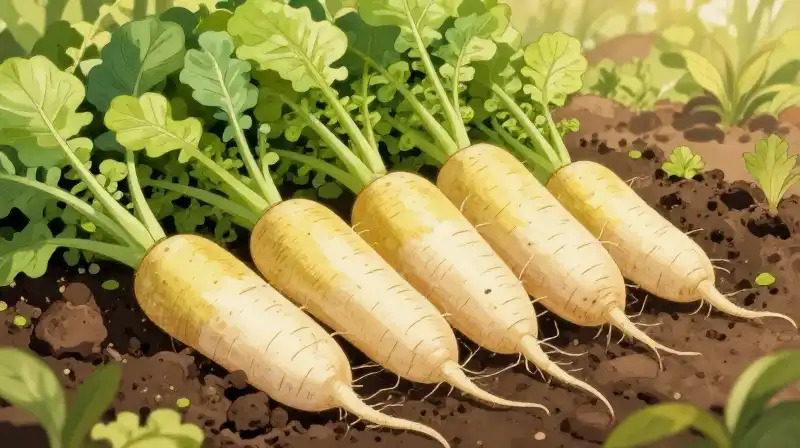
Daikon radish, also known as Minowase Daikon, Oriental, or Chinese radish, is prized not only for its crisp, mild flavor but also for its ability to improve soil health. Unlike standard quick-growing radishes, Daikon develops a substantial, long taproot, which is why the term Daikon translates to “big root” in Japanese. Successful cultivation requires an understanding of its specific needs, particularly regarding root depth and environmental conditions. This guide details the essential steps—from selecting the right daikon radish seeds to the crucial harvest indicators—to ensure your crop thrives, whether you are planting in a large garden plot or a dedicated container.
Preparing the Growing Environment: Soil and Depth Requirements
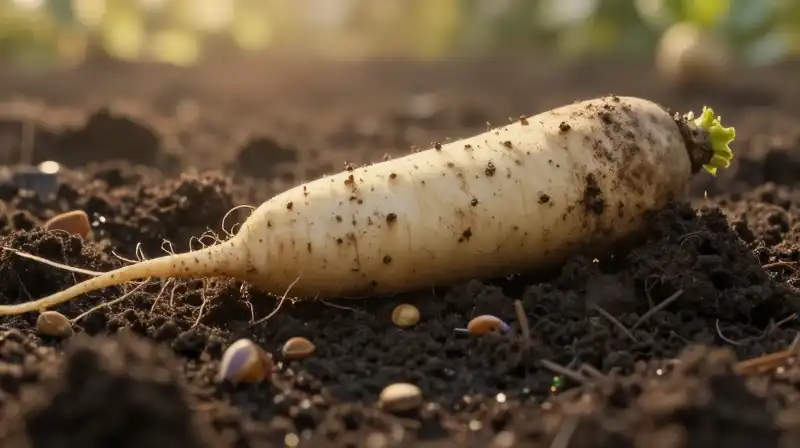
The most common mistake when growing Daikon is inadequate root depth. Since the root structure is extensive, preparing the planting medium correctly is the foundation of a successful harvest.
Ground Cultivation Preparation
For garden planting, ensure the soil is loose and well-draining. Daikon benefits from rich, organic matter, which supports its vigorous growth. While the summary suggests planting seeds 1/2 inch deep, the surrounding topsoil must be workable to allow the massive root system room to expand without encountering compacted layers. Practicing crop rotation is a critical step here; rotating Daikon helps prevent the buildup and transmission of soil-borne diseases.
Container Growing Constraints
If utilizing containers, depth is the single most important factor. Standard 10-inch pots are insufficient. To accommodate the deep taproot, the vessel must be at least 24 inches deep. The container soil should be amended to be loose, well-draining, and high in organic material. Due to the large volume of soil, consistent and adequate watering is necessary to maintain the moisture required for the root system to develop properly.
Planting Strategy and Environmental Optimization
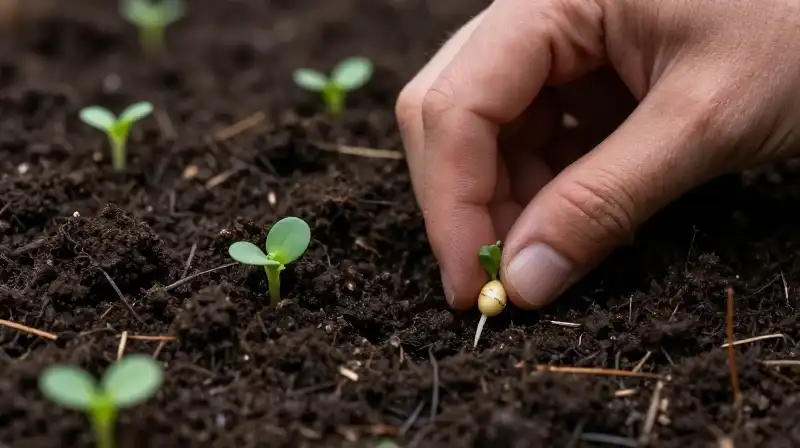
Optimal conditions govern the vigor and health of your Daikon. The plant requires ample light and a controlled planting schedule.
Timing and Seed Density
Daikon thrives in environments within USDA Zones 2–11, needing either full sun or partial shade. To maximize the benefit of the root system as a beneficial cover crop, planting in late summer before the first hard frost is highly recommended. When preparing 10-15 lbs of daikon radish seeds per acre, be mindful of spacing. Adequate spacing between plants is essential not just for growth, but crucially, for promoting air circulation which significantly reduces the risk of fungal infections.
Essential Nutritional Needs and Health Benefits
Daikon is nutritionally dense, providing high fiber and a low-calorie content. Regarding health inquiries, while generally a nutritious vegetable, Daikon is not specifically classified as a cure for mucus; however, its high fiber content supports overall digestive health, which is integral to the body’s natural detoxification and immune processes.
Pest and Disease Management Strategies
Despite its hardiness, Daikon is susceptible to specific pests that can severely damage the root crop. Prevention is always more effective than treatment in this scenario.
Controlling Common Pests
Flea beetles and root maggots are frequent threats to Daikon crops. The most effective preventative measure against these surface-level pests is the use of row covers. These light barriers create a physical shield, allowing light and air flow while preventing insect access to the foliage. For the broader issue of soil-borne diseases, dedicated crop rotation must be integrated into the garden planning.
Understanding the Daikon Advantage: Soil and Culinary Use
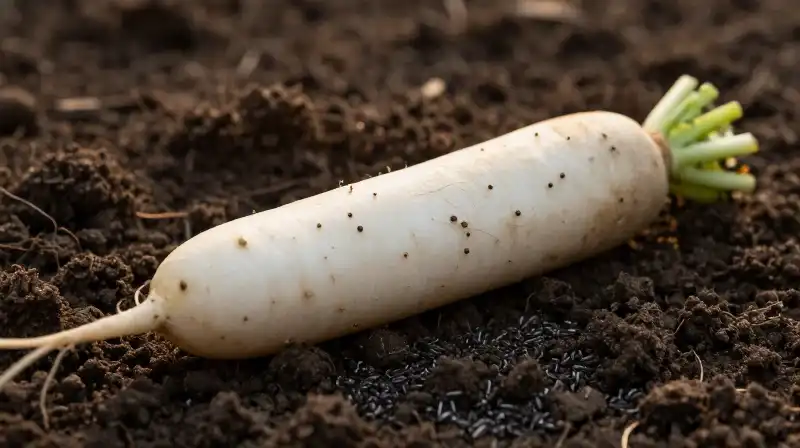
The utility of Daikon extends far beyond the dinner table, serving a vital function in sustainable agriculture.
Daikon as a Tillage Cover Crop
Daikon functions effectively as a “tillage radish.” Its deep taproot acts as a natural mechanical disruptor, penetrating compacted soil layers. This process dramatically improves water infiltration and overall soil structure. Furthermore, the root’s structure helps break up hardpan, preventing soil erosion while concurrently aiding in nutrient storage, particularly nitrogen.
Culinary Applications and Greens Utilization
The long, white root of the Daikon, which can reach up to 20 inches, possesses a crisp, mild flavor. It is ideal for adding texture to salads, enriching soups, and being used in various stir-fry dishes. The greens (the tops) are also edible and can be harvested and utilized as a leafy green source.
Harvest Indicators and Practical Success Criteria
Knowing exactly when to harvest prevents bitterness and ensures the highest quality produce. Unlike some vegetables, Daikon requires a specific set of observable criteria for maturity.
A typical Daikon radish is ready for harvest approximately 40 to 50 days after planting. Instead of relying solely on time, use these visual indicators for the best results:
- Root Length: The root should measure approximately 24 inches in length.
- Root Diameter: The body of the radish should reach approximately 3 inches in diameter.
- Visual Cue: The root tops should be visibly protruding from the soil surface.
Summary of Best Practices and Practical Warnings
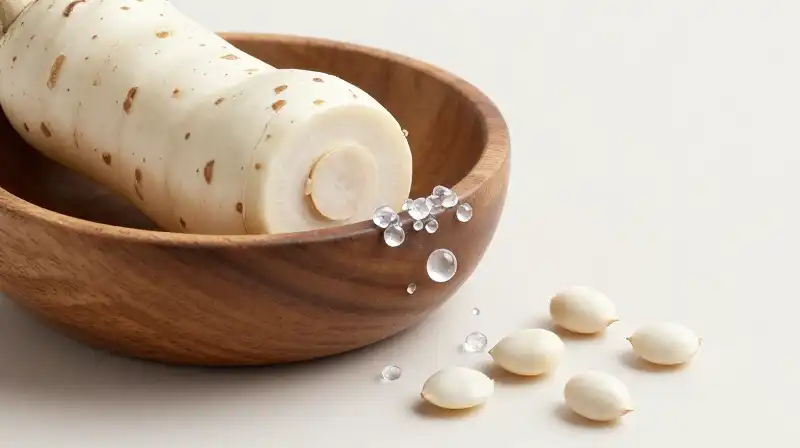
Growing Minowase Daikon requires deliberate planning concerning root depth and pest exclusion. Always ensure that whether growing in the ground or containers, the growing medium allows for uninhibited vertical growth. Prioritize maintaining a robust garden through consistent crop rotation and utilizing row covers to protect against primary pests. Successful Daikon cultivation is less about luck and more about providing the deep, unobstructed environment its exceptional root system demands.
Frequently Asked Questions
Is radish good for mucus?
Daikon is not specifically classified as a cure for mucus. However, its high fiber content supports overall digestive health, which is integral to the bodys natural detoxification and immune processes.
Growing Daikon Radishes
Prepare the Growing Environment
For ground cultivation, ensure the soil is loose, well-draining, and rich in organic matter. Incorporate crop rotation into your planning to prevent soil-borne diseases.
Ensure Adequate Depth
If planting in containers, the vessel must be at least 24 inches deep. For garden plots, ensure the surrounding topsoil is workable to allow the extensive root system room to expand.
Timing and Spacing
Plant the seeds in late summer before the first hard frost. Maintain adequate spacing between plants to promote air circulation, which reduces the risk of fungal infections.
Implement Pest Management
To control common surface-level pests like flea beetles and root maggots, use row covers as a physical barrier, allowing light and air flow while preventing insect access.
Maintain Optimal Conditions
Provide ample light (full sun or partial shade) and consistent watering to maintain the moisture required for the deep root system to develop properly.
Determine Harvest Time
Harvest the Daikon when it reaches visual maturity, which typically occurs 40 to 50 days after planting, or when the root measures approximately 24 inches in length, 3 inches in diameter, and the tops are visibly protruding from the soil.
Related Articles