Cotton Burr Compost: A Guide to Using It in Potting Mix

Introduction
Cotton burr compost is a distinctive soil amendment that provides a powerful blend of structural integrity and rich nutrition to container growing mediums. It is not merely a bulk filler; it is designed to enhance the physical characteristics of potting soil while continuously offering a steady supply of essential nutrients. Utilizing this compost allows gardeners to create growing environments that are less susceptible to the issues of soil compaction, nutrient depletion, and rapid deterioration often seen in standard potting mixes.
When integrating cotton burr compost into your gardening routine, the goal is to maximize its benefits. This guide explores its properties, how to best incorporate it into various blends, and how to maintain overall soil health to ensure peak plant performance throughout the growing season.
What Cotton Burr Compost Looks Like
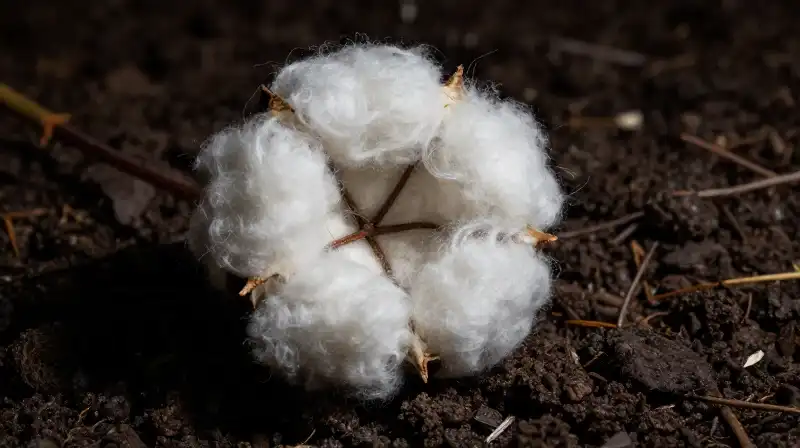
Unlike fine, uniform topsoil or standard organic peat-based mixes, cotton burr compost has a recognizable, textured appearance. Because it is processed from cotton seed husks, it consists of coarse, woody, and fibrous fragments. These pieces vary in size, creating a rustic, heterogeneous texture.
In a fully processed compost form, the pieces are broken down sufficiently to release stored nutrients, yet they retain enough of their original structure to function effectively as a drainage and aeration enhancer. You might see varying colors, ranging from deep browns to reddish-earth tones, depending on its maturation level and the specific composting process used by the manufacturer. Because of its coarse nature, it helps create air pockets within the mix, preventing the dense, slimy soil that suffocates container roots.
How Cotton Burr Compost Functions in Potting Mix
The value of cotton burr compost lies in its dual functionality: it acts as a physical stabilizer and a slow-release nutrient source. These two roles are crucial for sustainable container gardening.
Structural Benefits
The fibrous and rigid nature of cotton burr material significantly improves the physical structure of the potting medium. It is highly effective at:
- Improving Drainage: Its open structure allows excess water to flow freely, preventing waterlogging—a primary killer of container plants.
- Enhancing Aeration: The coarse particles create “air space” in the soil, ensuring that plant roots receive the oxygen they need to thrive.
- Reducing Compaction: Unlike purely organic matter which can become dense over time, the burr fragments maintain their structure, allowing the soil to remain loose even with regular watering.
Nutrient Profile and Fertility
Cotton burr compost is a rich source of slow-release nutrients. It acts as a bio-available reservoir, ensuring that plants have steady access to necessary elements. Additionally, many high-quality recipes incorporate supplements like kelp meal into the mix, which provides specific trace nutrients. The cotton burr structure complements these additions, providing the necessary physical framework for both to function effectively without decaying into a homogenous, nutrient-leaching sludge.
Practical Application: Integrating Cotton Burr Compost
When determining how much cotton burr compost to use, the ratio depends on the base mix you are starting with, but the summary often points toward a balanced approach. A common, highly effective blending ratio is 70% of a high-quality grower’s medium (your primary soil base) and 30% cotton burr compost.
This 70/30 blend is often recommended because the grower’s medium provides the primary moisture retention and microbial life, while the cotton burr compost serves as the “structural stabilizer” that prevents the mix from becoming heavy and dense. The addition of a targeted boost, such as kelp meal or specialized fertilizers, is often added to these mixes to fine-tune the nutrient profile.
| Component | Function | Practical Role in Mix |
|---|---|---|
| Grower’s Medium (e.g., Peat/Coir Base) | Moisture retention, microbial habitat | Base volume, primary water storage |
| Cotton Burr Compost | Structure, aeration, nutrient reservoir | Physical scaffolding and slow-release fertility |
| Kelp Meal/Fertilizer | Trace nutrients, immediate boost | Targeted nutritional supplementation |
Soil Health Monitoring and Maintenance
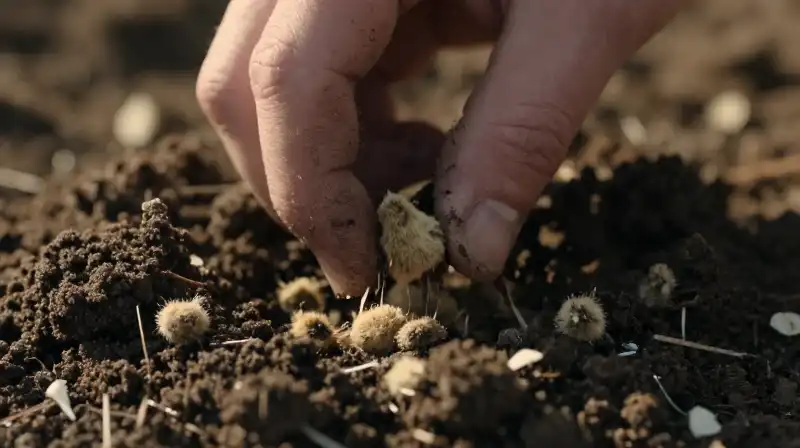
The primary function of incorporating cotton burr compost is to improve the *quality* and *longevity* of the soil. However, even the most resilient blends require diligent monitoring. Over time, environmental factors and constant watering can lead to nutrient decline and soil fatigue.
It is essential to conduct periodic soil assessments to monitor nutrient levels and pH. While the structural benefits of cotton burr compost are long-lasting, the organic matter it contains will eventually degrade. To prevent underperformance due to this fatigue, especially in plants that have remained in the same vessel for more than one growing season, full soil replacement is the recommended course of action. This allows the plant to benefit from fresh nutrients and a completely rejuvenated growing environment.
Making Smart Purchasing Decisions
When looking to buy cotton burr compost, whether for local projects or bulk ordering, evaluating quality is as important as price. Since its primary value is structural stability, you should look for products that emphasize complete processing and minimal fines, ensuring the fragments are robust.
When comparing options from local suppliers or major retailers, consider the following quality indicators:
- Origin and Processing: Look for compost that specifies the cotton burr is properly processed, ensuring nutrients are available and the physical structure is stable.
- Blend Consistency: High-quality compost should not be “chunky” with random pieces of uncomposted fiber; it should be uniformly rich in color and texture.
- Intent: Determine if the manufacturer markets it as a general soil enhancer or specifically as a potting mix amendment, as the latter often indicates better quality and particle size for container use.
Practical Warning: Post-Season Care
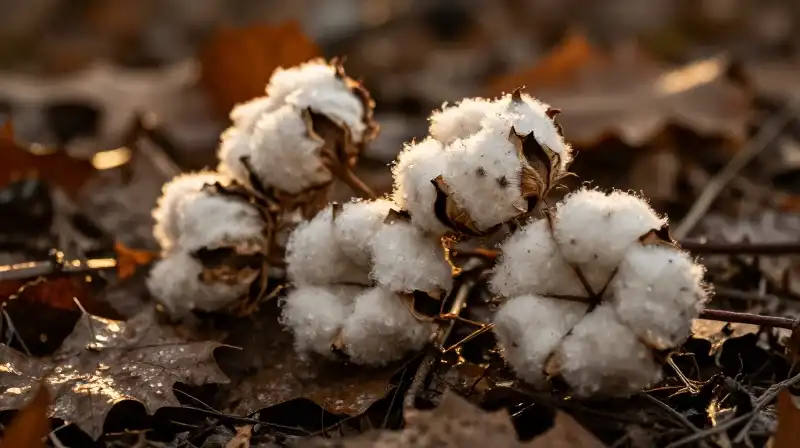
The maintenance strategy changes as the growing season ends. During fall cleanup, it is crucial to be selective about what you remove from the container. While general debris should be cleared, preserving certain plant elements offers significant ecological benefits.
Leaving flower seed heads and ornamental grasses standing is a vital practice. These elements protect the dormant root structure from harsh winter temperatures while simultaneously providing valuable, durable habitat for local wildlife. Proper soil health planning means considering the plant’s life cycle beyond the harvest, ensuring that the vessel remains a functional, beneficial ecosystem.
Summary of Selection and Application Criteria
To successfully use cotton burr compost, focus on its roles as a structural engineer and a slow-release nutrient reservoir. Before mixing, understand its coarse, fibrous nature. When blending, aim for a ratio that leverages the structural stability of the burr while complementing the retention capabilities of the grower’s medium. Ultimately, maintain soil health by performing periodic checks and planning for full soil rejuvenation when plants reach the end of their first growing season, ensuring sustained vitality rather than temporary gains.
Frequently Asked Questions
What does cotton burr compost look like?
Cotton burr compost has a recognizable, textured appearance consisting of coarse, woody, and fibrous fragments of varying size. It creates a rustic, heterogeneous texture and may exhibit varying colors ranging from deep browns to reddish-earth tones.
How to Integrate and Maintain Cotton Burr Compost
Determine the Blending Ratio
Decide on the ratio for your blend; a common highly effective blend is 70% of a high-quality grower’s medium and 30% cotton burr compost.
Create the Physical Blend
Combine the grower’s medium (primary soil base for moisture and microbial life) with the cotton burr compost to establish a structural foundation.
Add Nutritional Boost
Optional: Add targeted boosts, such as kelp meal or specialized fertilizers, to fine-tune the nutrient profile of the mix.
Monitor Soil Health
Conduct periodic soil assessments to check nutrient levels and pH throughout the growing season, as organic matter will eventually degrade.
Perform Soil Replacement
If a plant remains in the same vessel for more than one growing season, perform a full soil replacement to prevent underperformance and nutrient fatigue.
Related Articles