Arrowhead Vine Care: Your Complete Guide to Thriving Indoors

Introduction
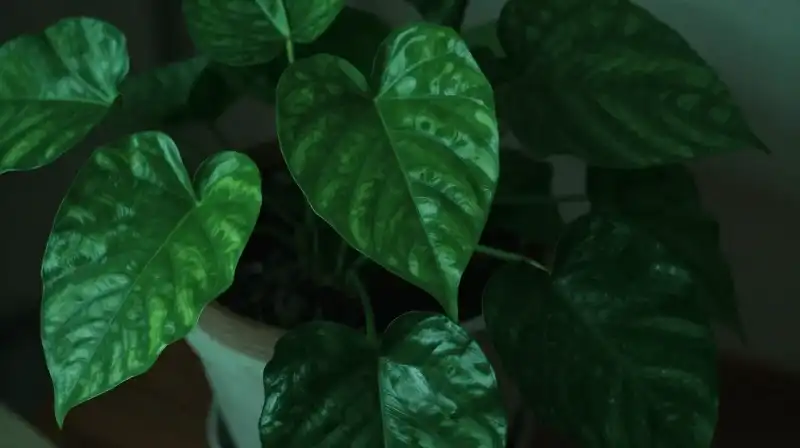
The Arrowhead Plant, or Syngonium podophyllum, is one of the most adaptable and popular tropical houseplants, prized for its lush, sculptural foliage. Successfully keeping an Arrowhead Vine indoors requires balancing its tropical heritage—specifically its need for warmth and moisture—with the realities of indoor light conditions. This guide provides specific protocols for light, hydration, soil health, and maintenance to ensure your plant thrives rather than just survives.
Achieving a vibrant Arrowhead requires moving beyond generic advice. Since these plants are slow to respond to poor conditions, early identification of issues is crucial. Understanding the nuances of light intensity and humidity will dictate the overall health and vigor of your vine.
Optimal Lighting for Vibrant Foliage

The most common mistake made with Arrowhead plants is misinterpreting light. Because they are tropical, they require a high level of brightness, but they are highly sensitive to intensity. They thrive in bright, indirect light. This means they should be placed near a window where they receive plenty of ambient light, but the sun’s rays do not directly hit the leaves for prolonged periods.
Direct, intense sunlight—even for just a few hours—will quickly scorch the leaves, leading to brown, crispy patches. If your plant appears pale or yellowish, it is usually a sign that it is receiving too much direct sun. Conversely, if the foliage is dull and the growth is sluggish, it needs a brighter location.
While they can tolerate somewhat lower light, their growth will be noticeably slower, and the leaves will tend to become smaller and less vibrant, sacrificing the rich, healthy colors characteristic of the species.
Hydration and Root Rot Prevention
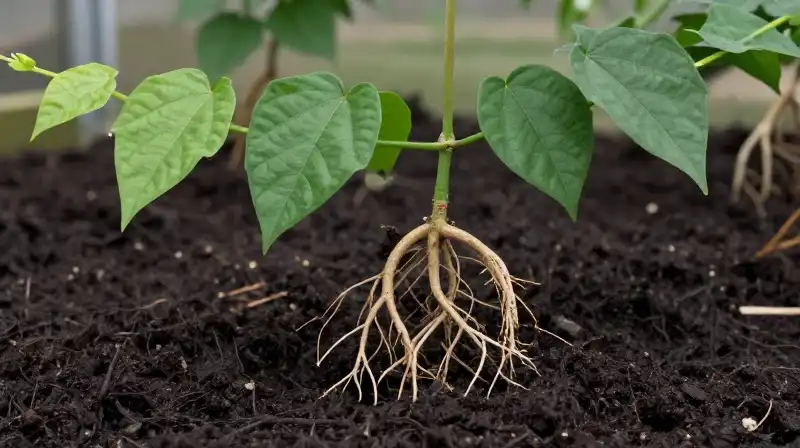
Maintaining consistent moisture without creating a soggy environment is the primary challenge of Arrowhead care. Arrowhead plants require regular watering, but they despise standing in water. To prevent root rot—the most common cause of houseplant failure—proper drainage is non-negotiable.
Soil and Drainage: Always use a high-quality, well-draining potting mix and ensure the pot has ample drainage holes. A standard indoor potting soil mixed with some perlite or orchid bark can help prevent compaction and excess moisture retention.
Watering Technique: Allow the top inch or two of the soil to dry out completely between waterings during the growing season (spring through fall). When you do water, do so until excess water runs from the drainage holes, then allow the pot to drain fully before returning it to its saucer.
Environmental Conditions: Humidity and Temperature
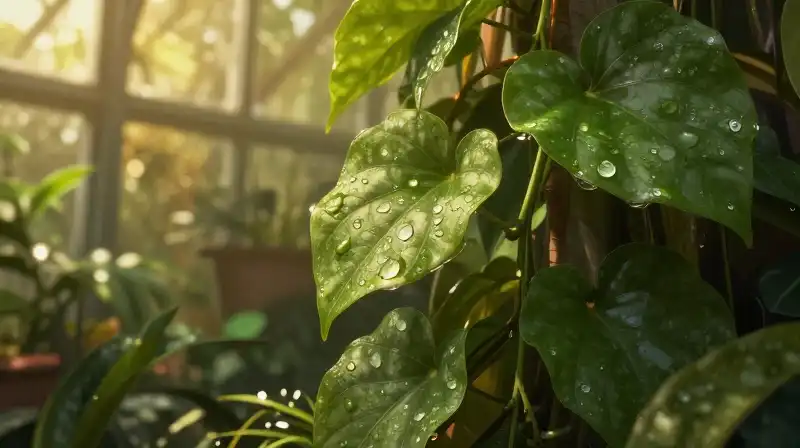
Originating from tropical regions, Arrowhead vines demand warm and humid conditions to maintain healthy, lush leaves. Maintaining this environment indoors helps prevent the crispy edges and dull appearance associated with dry indoor air.
- Temperature: These plants perform best in temperatures above 60°F (15°C). Keep them away from cold drafts, such as near exterior doors or basement windows, which can trigger sudden temperature drops.
- Humidity: Use a humidifier to increase ambient moisture, especially during the winter. You can also group the plant with other plants, which helps create a small microclimate of higher humidity.
- Airflow: Keep the Arrowhead away from direct heating or air conditioning vents. Constant, forced airflow can dry out the leaves too rapidly.
Maintenance: Feeding, Shaping, and Cleaning
Routine maintenance ensures that your Arrowhead maintains a robust, bushy appearance over time.
Feeding: Fertilization should occur during the active growing periods (spring, summer, and fall). Apply a balanced, water-soluble fertilizer once a month. Always remember to avoid over-fertilizing, as excessive nutrients can lead to chemical salt buildup in the soil that can burn roots.
Pruning and Training: As a vigorous and fast-growing vine, periodic pruning is beneficial. Pinching new shoots or strategically trimming the vines helps control length, prevents the plant from becoming overly “leggy,” and encourages it to develop a denser, bushier canopy. If you wish to encourage it to trail or climb, provide a moss pole or trellis to support the stems.
Foliage Care: Dust can accumulate on the large leaves, obstructing the plant’s ability to respire and absorb light efficiently. Gently wipe the leaves with a damp cloth or give the plant a careful rinse with a gentle hose every few weeks.
Common Arrowhead Problems and Solutions
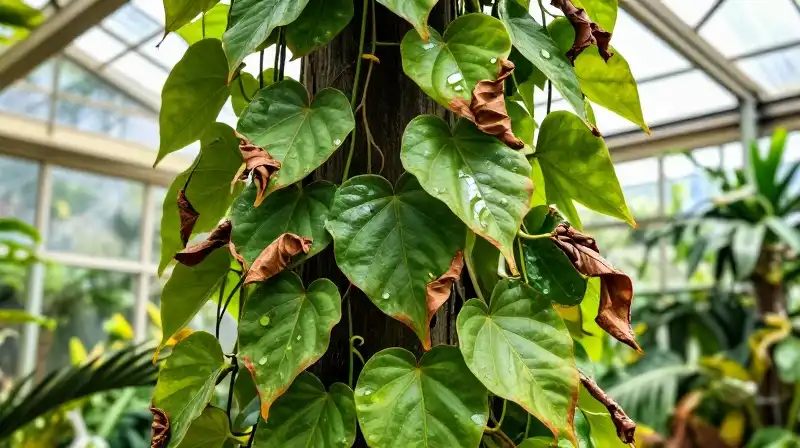
Even with the best care, issues can arise. Recognizing the specific symptoms is key to providing timely treatment.
Root Rot (Most Critical): If the lower stems feel mushy, soft, or dark, the plant is likely overwatered. Immediate action involves stopping all watering, checking the drainage, and possibly repotting into fresh, dry soil, though some root damage may be irreversible.
Pest Control: Arrowhead vines are susceptible to common houseplant pests like spider mites, mealybugs, and aphids. Treat infestations immediately by wiping the leaves down with a gentle solution of mild soap and water, or by using Neem oil, repeating the treatment as directed.
Disease: Watch for signs of powdery mildew (white, dusty coating) or brown fungal spots. If you detect these, remove the affected leaves immediately to prevent the spread of the fungus.
Addressing the Lifespan: While specific longevity can vary based on growing conditions, Arrowhead plants are known for being exceptionally long-lived indoor specimens, provided their fundamental needs—light, water, and temperature—are consistently met.
Propagation and Safety Considerations
If you want to expand your collection, propagation is remarkably simple. You can easily take stem cuttings and root them in water until the roots develop, then plant them in a suitable growing medium.
Handling and Toxicity: Be aware that the Arrowhead Plant is toxic if ingested by pets or humans. When handling the foliage, especially during pruning, be mindful that sap can cause skin irritation, so wear gloves if necessary. Keep the plant out of reach of curious pets.
Mastering the care of the Arrowhead Vine involves focusing on controlled conditions. The key priorities are ensuring excellent drainage to prevent root rot, positioning it in bright but diffused light to prevent burning, and providing consistent warmth and high humidity to support its tropical nature. By addressing these specific environmental and maintenance needs, your vine will establish a beautiful, resilient presence in your home.
Explore more: Celtic Symbols for Brotherhood: Meanings and Interpretations
Frequently Asked Questions
How long do arrowhead plants live indoors?
Arrowhead plants are known for being exceptionally long-lived indoor specimens, provided their fundamental needs of light, water, and temperature are consistently met. While specific longevity can vary based on growing conditions, maintaining these needs ensures the vine will be a beautiful, resilient presence in your home.
How to Care for the Arrowhead Plant
Position for Light
Place the Arrowhead near a window to receive plenty of bright, indirect light, ensuring direct sun's rays do not hit the leaves for prolonged periods to prevent scorching.
Prepare Drainage and Soil
Use a high-quality, well-draining potting mix and ensure the pot has ample drainage holes, optionally mixing standard soil with perlite or orchid bark.
Water Properly
Allow the top inch or two of the soil to dry out completely during the growing season before watering. When watering, do so until excess water runs from the drainage holes, then allow the pot to drain fully.
Maintain Environmental Conditions
Keep the plant in warm conditions (above 60°F/15°C) and increase ambient humidity by using a humidifier or grouping it with other plants.
Fertilize and Prune
Apply a balanced, water-soluble fertilizer once a month during the active growing periods. Periodically pinch new shoots or trim vines to encourage a dense, bushier canopy.
Clean Foliage
Gently wipe the leaves with a damp cloth or give the plant a careful rinse with a gentle hose every few weeks to remove dust and improve light absorption.
Related Articles