Japanese Holly Bush: Your Best Alternative to Boxwood

Introduction
For landscape designers and dedicated homeowners, finding a reliable evergreen with dense structure and year-round visual appeal is a constant pursuit. Japanese holly (Ilex crenata) has emerged as the definitive successor to the traditional Boxwood, offering a remarkably similar fine, dark-green, compact texture. It serves as an exceptionally versatile shrub, capable of anchoring foundational plantings, outlining formal borders, or providing subtle structure in more natural garden mixes. If your goal is a robust, tidy, and long-lasting structural element in your yard, understanding how to utilize this compact Japanese holly bush is the first step toward a refined and manageable landscape design.
Why Choose Japanese Holly Over Traditional Boxwood
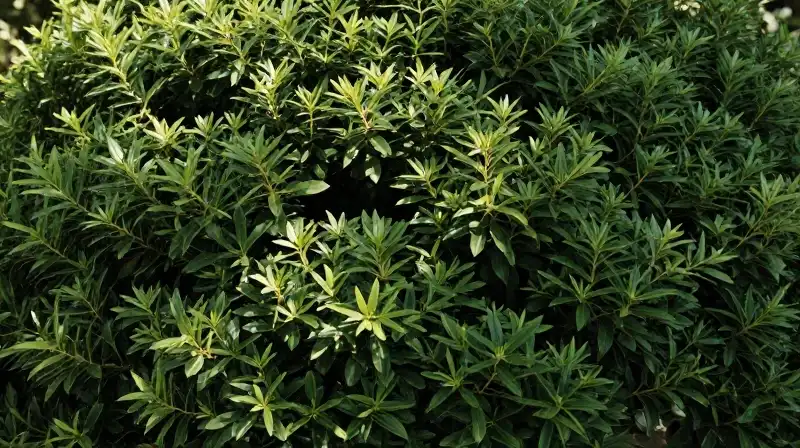
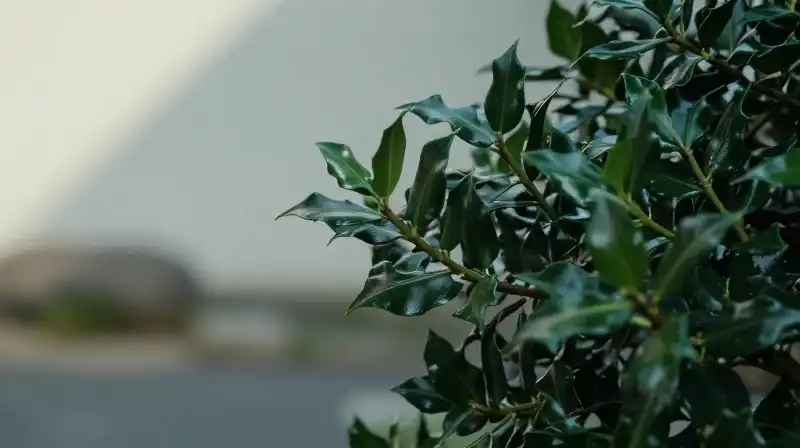
The primary reason Japanese holly is considered an excellent alternative to Boxwood lies in its superior resilience and environmental tolerance. While both plants offer a similar small-leaved, glossy appearance—perfect for creating neat, formal hedges—Japanese holly offers crucial practical advantages that reduce maintenance headaches.
Unlike Boxwood, Japanese holly is significantly more tolerant of fungal diseases, making it less prone to the common issues that can weaken or strip a Boxwood shrub. Furthermore, its ability to withstand a wider range of soil conditions and its growth habit often make it a more reliable choice for regions where climate fluctuation is common. This reliability means less frequent intervention and a more dependable appearance throughout the seasons.
Growth Habits and Landscape Potential
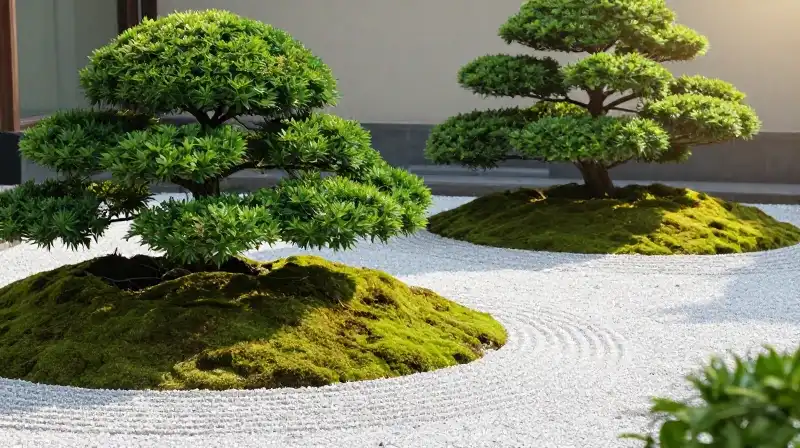
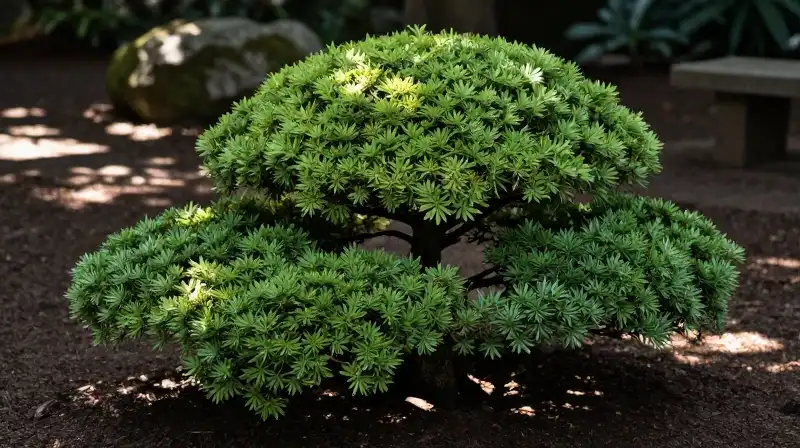
This specific type of compact Japanese holly is characterized by a dense, rounded, and consistent growth pattern. At maturity, it typically develops into a substantial visual anchor, reaching a dense height and width of approximately 6 feet. Its compact nature is highly beneficial, making it an ideal plant for small-space gardening or within the tight confines of foundation beds where larger shrubs would overwhelm the area.
- Function: Excellent structural support and visual weight, particularly in areas lacking color or visual height.
- Application: Effective in defining garden borders, creating low to mid-height hedges, and providing constant structure in foundation plantings.
- Maintenance Style: Its dense form retains a tidy appearance year-round, largely due to the dark green, glossy foliage.
Pruning and Shape: Tailoring the Holly Bush
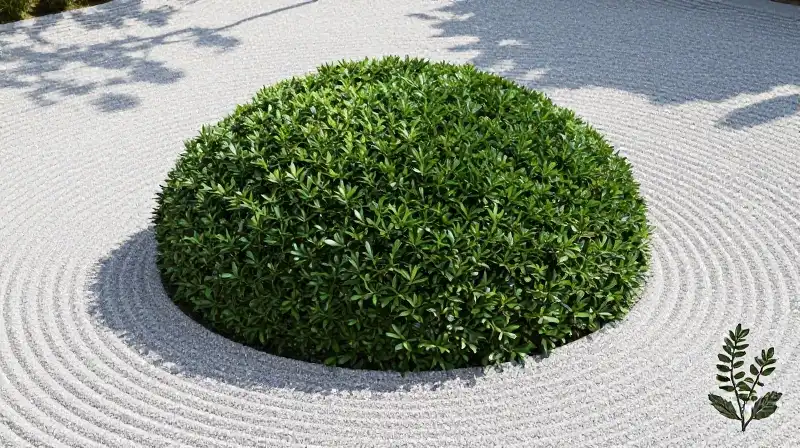
One of the most admired qualities of Japanese holly is its ability to tolerate pruning. This resilience allows gardeners flexibility: you can shape the shrub into formal, structured rectangles or simply let it maintain its naturally dense, rounded form. Light seasonal shaping is recommended, not aggressively, but just enough to maintain the sharp lines and dense canopy you desire.
Proper pruning techniques for the Japanese holly bush ensure that the plant remains robust and does not thin out, which is critical for maintaining the dense, solid appearance it is known for. Regular, light trimming encourages dense, healthy growth rather than allowing the shrub to sprawl.
Optimizing Placement: Sunlight and Soil Requirements
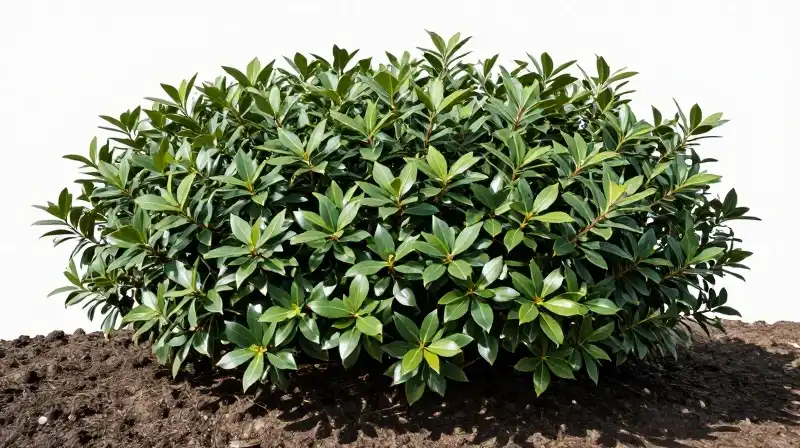
To ensure your Japanese holly thrives and meets its full growth potential, its placement must align with its environmental needs. While it is adaptable, optimal performance is achieved under specific conditions:
- Sun Exposure: Plant in areas receiving full sun or partial shade. It requires adequate light to maintain its dark, vibrant coloration and dense structure.
- Soil Quality: The shrub prefers moist, well-drained soil. Avoid planting in areas where water pools, as this can compromise root health.
- Deer Resistance: Compared to some tender alternatives, Japanese holly is noted for being relatively mild in its resistance to deer browsing, offering a measure of protection for many properties.
Choosing the Right Japanese Holly Variety and Size
While the general Japanese holly bush is a reliable medium-sized shrub, specific varieties cater to different landscape needs. If you have limited space or a very formal setting, you may want to explore dwarf varieties. These cultivars provide the same high-quality leaf texture and structural benefit but remain at a smaller stature.
| Use Case | Typical Growth Habit | Practical Benefit |
|---|---|---|
| Small Space / Formal Borders | Dwarf varieties (e.g., smaller height/width) | Allows for precise, compact hedging and containment. |
| Large Foundation Planting | Standard Compact Bush (up to 6 ft) | Provides solid, reliable visual weight and broad coverage. |
| Mixed Mixed Landscape | Standard Compact Bush | Anchors less formal areas with year-round, defined structure. |
Ensuring Long-Term Success: Key Landscape Considerations
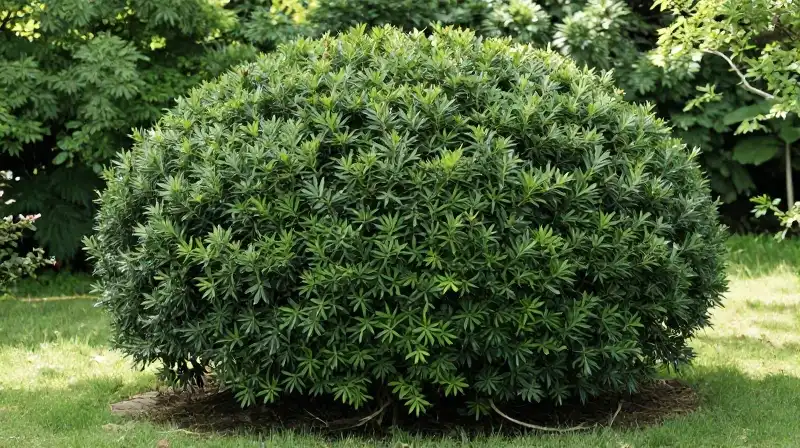
Japanese holly is a dependable landscape asset when chosen correctly. To maintain its consistent growth pattern and avoid common beginner mistakes, consider these final criteria:
- Establishment Phase: Be mindful that while it is low-maintenance once established, the initial planting and first growing season require proper soil preparation and consistent moisture to ensure robust root development.
- Visual Weight: Use the bush where a consistent, reliable presence is needed—such as framing pathways or grounding bright, colorful flowering perennials.
- Longevity: Its consistent growth and structure make it a long-term, durable choice, minimizing the need for frequent replacement.
How to Plant and Maintain a Japanese Holly Bush
Select the appropriate variety
Choose a Japanese holly variety or size based on your specific landscape needs, whether you require dwarf varieties for small spaces or standard bushes for larger foundation plantings.
Prepare the placement
Place the shrub in an area receiving full sun or partial shade, and ensure the soil is moist and well-drained.
Establish the root system
During the initial planting and first growing season, provide consistent moisture and properly prepare the soil to ensure robust root development.
Maintain the shape
Perform light seasonal trimming to maintain the sharp lines and dense canopy, ensuring the shrub remains robust and does not thin out.
Related Articles