Butterfly Weed Seeds: Successful Stratification and Growth

Introduction
Butterfly weed (*Asclepias tuberosa*) serves a vital role in North American ecosystems, primarily as a host plant for Monarch butterflies. Successful cultivation requires understanding that this plant, while vibrant and beautiful, has specific germination requirements. Rather than a simple planting process, the seeds of butterfly weed require cold, moist stratification to signal to the plant that winter has passed and it is safe to germinate. This article focuses on mastering this stratification and the subsequent planting techniques, providing a detailed guide for gardeners looking to propagate this important native species successfully.
Why Cultivating Butterfly Weed Matters
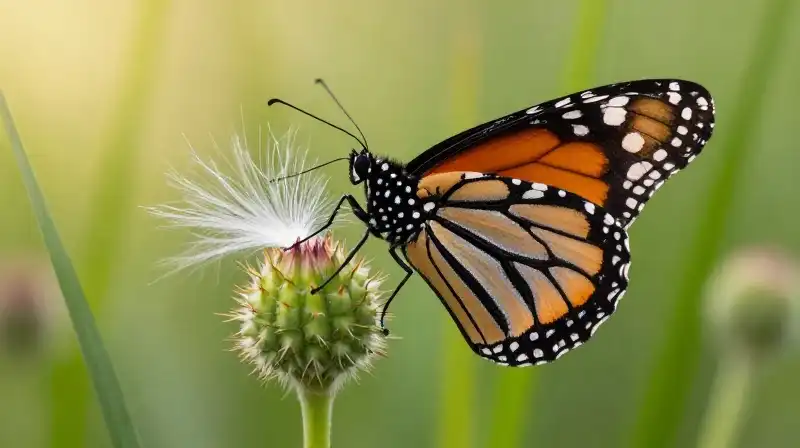
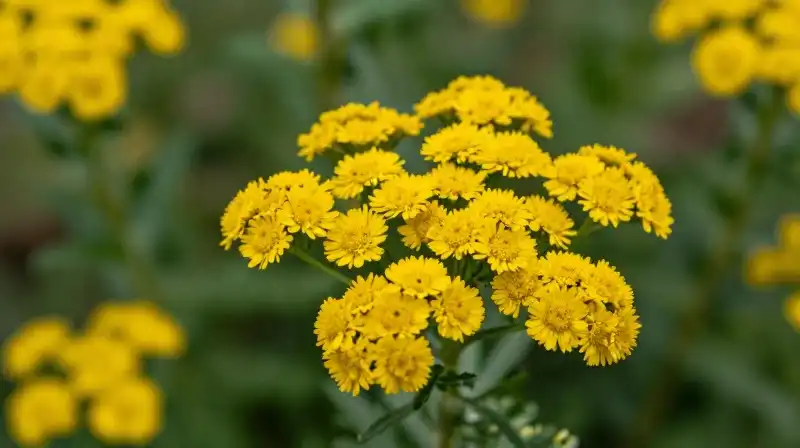
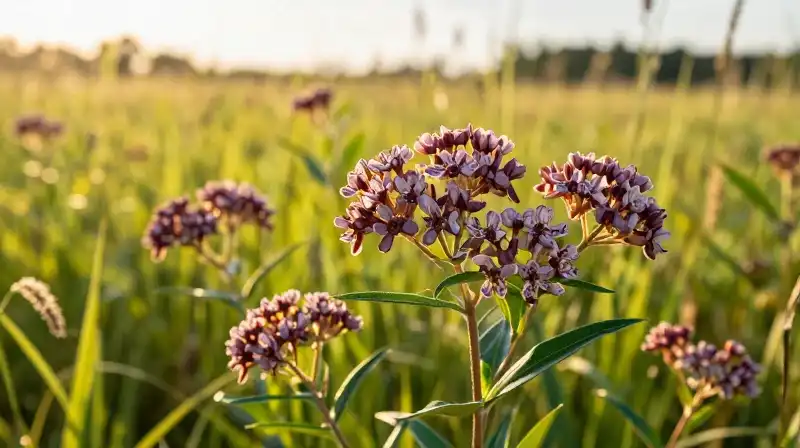 More than just an ornamental plant, butterfly weed is foundational to local biodiversity. As a crucial host plant for Monarch butterflies, it is intrinsically linked to the survival and continuation of migratory patterns. Planting *Asclepias tuberosa* contributes directly to the preservation of native habitats, particularly in Western plains ecosystems. The plant is easily identified by its striking, vibrant orange flowers, but its ecological function is its most significant feature. When considering butterfly weed as part of a larger garden plan, remember that your effort supports the entire lifecycle of the Monarch.
Understanding Seed Spread and Propagation
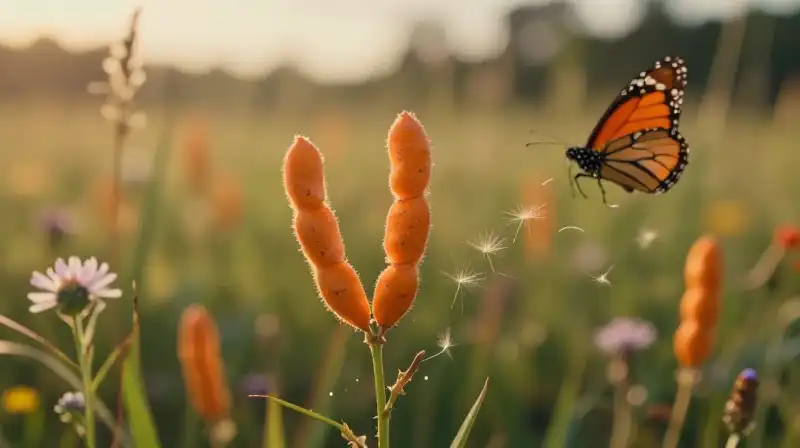 The common question of whether butterfly weed spreads by seed is answered with a confirmation, though natural propagation happens slowly. While mature plants can produce seed pods, relying solely on natural reseeding is often unreliable for large-scale or timely gardening. Because the germination window is tightly linked to seasonal temperature cues, starting from high-quality *Asclepias tuberosa* seeds is the preferred method for reliable and predictable growth. When sourcing seeds, be aware that specific regional availability—such as Butterfly weed seeds USA, Butterfly weed seeds Texas, or sourcing from large suppliers like Amazon—should be checked for timely delivery before the required stratification period begins.
The Critical Step: Achieving Seed Stratification
Successful germination of butterfly weed seeds hinges on stratification. This process mimics the natural winter cycle, conditioning the dormant seed to break dormancy. The core requirement is a period of cold, moist conditions. The general rule is that stratification should commence at least five weeks before outdoor temperatures reliably reach 10°C (50°F). Two primary methods achieve this necessary winter simulation.
Indoor Stratification Method
For environments where outdoor cold is not guaranteed or as a preparatory step, indoor stratification is effective:
- Set up a tray of moist, sterile, soil-less growing mix.
- Sow the seeds 0.64 cm (1/4 inch) deep.
- Prepare the seeds by alternating one day in the refrigerator and one day in the freezer for a total period of one week.
- Monitor the mixture daily, ensuring consistent moisture without allowing it to become waterlogged.
Outdoor Stratification Method (Natural Overwintering)
This method leverages natural seasonal cycles and is highly effective if you are planting in a climate that experiences a significant cold period:
- Plant the seeds in a prepared seed bed or in plastic pots filled with a moist, sterile, soil-less mix during late fall.
- Leave the pots or bed outdoors during mid-winter to experience the natural cold and potential snow cover.
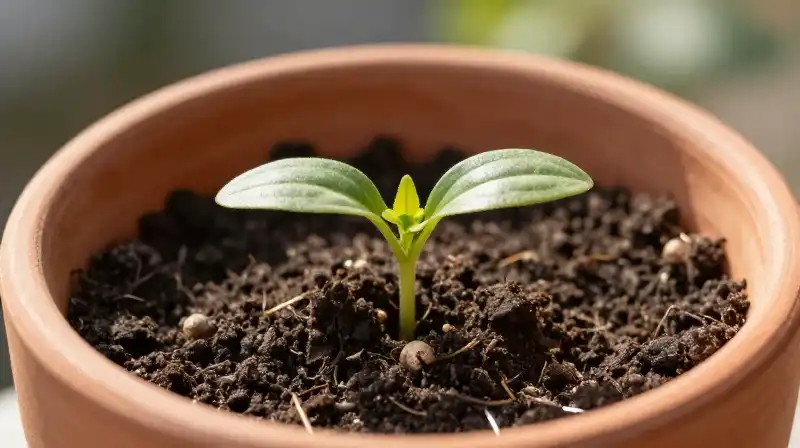
- As spring approaches, monitor and water the seeds regularly as germination begins.
Planting Protocol: Seedling Growth and Transplanting
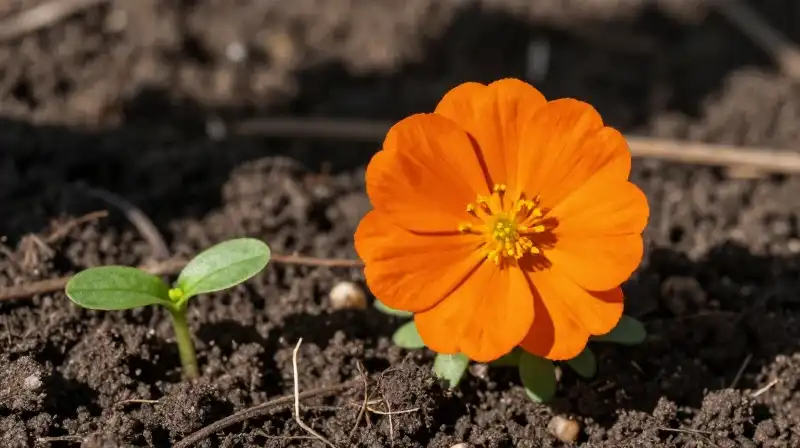 Once the seeds have successfully undergone stratification, the planting environment must shift to encourage robust seedling growth.
Indoor Cultivation Conditions
If you began with indoor stratification, move the moist seeds into an indoor grow environment:
Provide a warm environment of 21°C - 70°F. Consistent moisture is necessary, but ensure the soil remains sterile and free of standing water to prevent mold. Maintain the optimal sowing depth of 0.64 cm (1/4 inch).
Transplanting Guidelines
Regardless of whether you grew the seedlings indoors or utilized the outdoor cold-stratification method, the transplant criteria are the same:
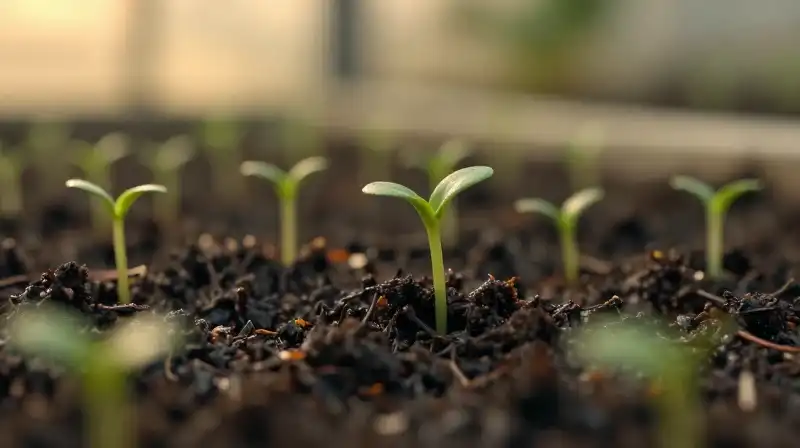
- Once the seedlings reach a height of 5 cm (2 inches), they are ready for transplant.
- Place the seedlings 30 cm (1 foot) apart in the garden bed to allow for healthy root development and air circulation.
Managing Soil and Environmental Needs
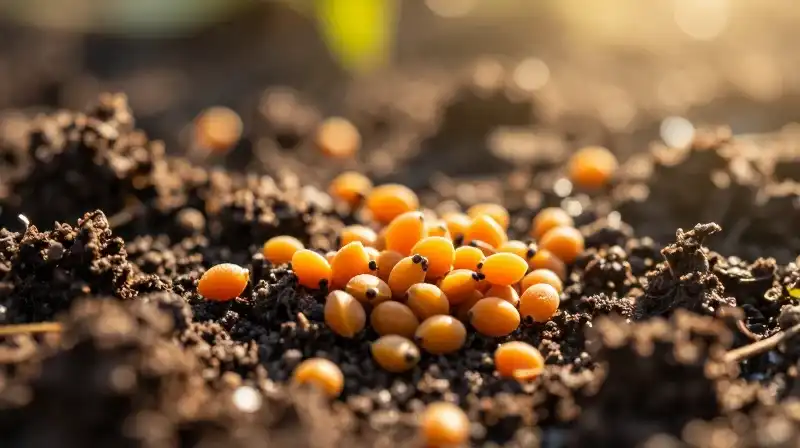 While stratification is key to germination, the long-term health of butterfly weed depends on appropriate soil and sun.
Butterfly weed thrives in well-draining soil. Ideally, it tolerates a mix of sand or loam, but can adapt to specific conditions like clay or caliche if amended properly. It prefers full sun, although it can manage in partial shade. Maintaining moderate to medium soil moisture is beneficial during establishment, but the plant must not be overwatered, as its nature is to thrive in drier, well-drained conditions.
Final Considerations for Propagation Success
Successful propagation of butterfly weed requires a structured approach that respects the plant’s biological needs. The most critical takeaway is the commitment to the pre-growth stage: achieving a cold, moist period of stratification that triggers dormancy breaking. Use the comparison between indoor and outdoor methods to decide the most efficient route for your climate. By paying close attention to the initial 0.64 cm sowing depth and the required warmth (21°C - 70°F) post-stratification, you set the stage for a strong, healthy plant that will, in turn, support crucial Monarch migratory patterns.
Frequently Asked Questions
Does butterfly weed spread by seed?
Butterfly weed does spread by seed, but natural propagation happens slowly. Although mature plants can produce seed pods, relying solely on natural reseeding is often unreliable for large-scale or timely gardening.
How to Grow Butterfly Weed from Seed
Prepare the Seed Mix and Sow
Set up a tray with a moist, sterile, soil-less growing mix. Sow the seeds 0.64 cm (1/4 inch) deep.
Perform Indoor Stratification
Prepare the seeds by alternating one day in the refrigerator and one day in the freezer for a total period of one week.
Monitor Stratification
Monitor the mixture daily, ensuring consistent moisture without allowing it to become waterlogged.
Shift to Indoor Cultivation
Move the seeds into an indoor grow environment providing a warm temperature of 21°C - 70°F.
Maintain Growth Conditions
Ensure consistent moisture and maintain the optimal sowing depth, keeping the soil sterile and free of standing water to prevent mold.
Check Readines for Transplant
Once the seedlings reach a height of 5 cm (2 inches), they are ready for transplant.
Place Seedlings in Garden
Place the seedlings 30 cm (1 foot) apart in the garden bed to allow for healthy root development and air circulation.
Maintain Environmental Needs
Ensure the plants receive full sun and moderate to medium soil moisture without overwatering, allowing the soil to drain well.
Related Articles