Mr. Poppins Winterberry Care and Growth Guarantees: A Claim Guide

Introduction
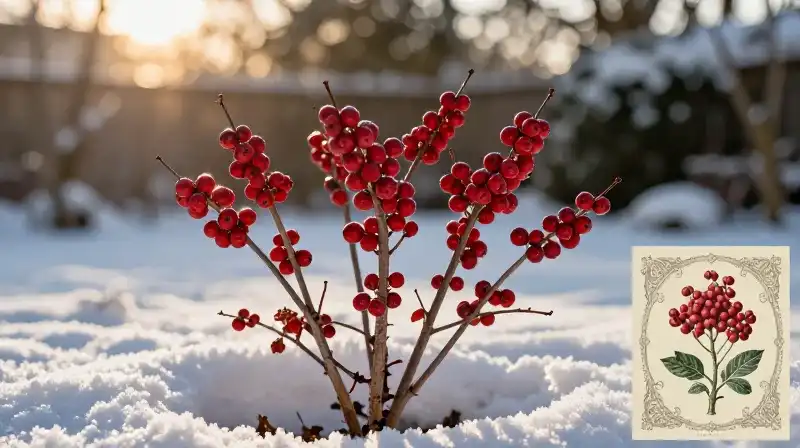
Acquiring a live plant requires understanding not just its aesthetic appeal, but also its specific requirements for health, growth, and the safety nets provided by the seller. If you are considering or have purchased a Mr. Poppins Winterberry from The Arbor Day Foundation, this guide clarifies the critical information regarding proper horticultural care and the terms of the growth and condition guarantees.
The core of owning these living plants involves balancing routine maintenance with understanding the limitations and protections offered by the Foundation. Success relies heavily on proper initial planting and ongoing diligent care, which is a prerequisite for any guarantee to be valid. This article details how to maximize the health of your tree while clearly outlining the claim process should the tree not meet expected standards.
Understanding the Mr. Poppins Winterberry Growth Guarantee
The Arbor Day Foundation provides two primary guarantees intended to protect the customer against unforeseen issues related to shipment quality or growth failure. These guarantees are contingent upon the buyer adhering to specific terms and maintaining the plant correctly.
The guarantees cover two distinct scenarios:
- Arrival Condition Guarantee: If the Mr. Poppins Winterberry arrives in poor or compromised condition, the customer is eligible for a one-time refund or a replacement tree, provided the claim is initiated promptly and under the stated terms and conditions.
- Growth Guarantee: This guarantee addresses the health of the plant after planting. If the tree fails to demonstrate successful growth within six months of the date of shipment, a free replacement will be offered.
It is crucial to note that these guarantees apply strictly to the product as ordered. Replacements must strictly match the root type of the original item purchased. Furthermore, these protections do not extend to planting locations that fall outside of the recommended horticulture zones for the plant.
Initiating a Claim for Replacement or Refund
Should you need to exercise the growth or arrival condition guarantees, the claim process must be managed directly through The Arbor Day Foundation. Timely action is key to ensuring your claim is reviewed fairly.
To initiate a claim, you must follow these steps:
- Contact The Arbor Day Foundation directly with the details of your order.
- Be prepared to provide supporting documentation or photographic evidence that clearly demonstrates the issue (e.g., poor arrival condition or lack of growth).
- Understand that the Foundation reviews claims based on the provided evidence and the specified terms and conditions of the purchase.
Essential Horticultural Care for Optimal Growth
The long-term health and successful growth of the Mr. Poppins Winterberry depend on specific, knowledgeable horticultural practices. The guarantee covers failure to grow, but proper care is what allows growth to occur.
To ensure your Winterberry thrives, adhere to these critical care guidelines:
- Planting Depth: Always ensure the root collar is planted at the correct, appropriate depth. Planting too deep or too shallow can impede necessary root development and drainage.
- Watering Needs: Adequate and consistent watering is vital, especially during the establishment phase after planting. Ensure the soil remains adequately moist, but never waterlogged.
- Environmental Protection: Living plants are susceptible to environmental stressors. Protect your tree from excessive extreme weather, strong winds, and potential damage from animal interference.
- Soil Adaptability: The species is known for adaptability. It generally performs well in both light and heavy soils, but it is highly recommended to ensure proper soil drainage to prevent root rot, particularly in saturated areas.
Addressing Specific Questions and Planting Considerations

Many users research the Mr. Poppins Winterberry with specific questions regarding its characteristics and suitability for their landscape. Here, we address common points of confusion regarding pollination, pest resistance, and comparison to alternatives.
Pollination Dynamics
When considering the pollination of Mr. Poppins Winterberry, it is essential to understand the plant’s botanical relationships. While cross-pollination is possible, the effectiveness of pollination often depends on pairing the tree with a compatible variety, such as a ‘Winter Red Winterberry.’ Pairing genetically similar cultivars can significantly boost fruit set, though successful fruiting is not always guaranteed.
Deer and Pest Resistance
The question of whether a Berry Poppins Winterberry is deer resistant is a common one for landscape design. While many plants possess some natural deterrent qualities, the Mr. Poppins Winterberry typically lacks natural defense mechanisms against deer. If you are in a high-risk area for browsing, supplemental physical deterrent measures (such as fencing or netting) are necessary to protect your investment.
Comparing Winterberry Varieties
While *Ilex verticillata Mr. Poppins* is highly valued, particularly for its adaptability to wet soils, it is part of a larger group of winterberry cultivars (such as Jim Dandy or Berry Heavy). These varieties offer subtle differences in color, shape, and fruiting time. The choice often depends on the specific microclimate and desired aesthetic of your garden.
Practical Synthesis: Avoiding Claim and Care Errors

To maximize the success of your Mr. Poppins Winterberry purchase and minimize the risk of a claim, consider these final practical warnings:
Before planting, thoroughly review the local horticulture zone recommendations to ensure the tree is suited for your climate. Always document the initial condition of the tree immediately upon delivery. When managing care, prioritize consistent watering and proper planting depth over anything else. Remember, the growth guarantee covers failure, but meticulous care ensures the potential for success, mitigating the need for a replacement.
Frequently Asked Questions
How do you care for Mr Poppins winterberry?
Optimal care involves planting the root collar at the appropriate depth, providing adequate and consistent watering that keeps the soil moist but never waterlogged, and protecting the tree from environmental stressors such as strong winds and extreme weather. Additionally, ensure proper soil drainage to prevent root rot.
Can Mr. Poppins pollinate winter red winterberry?
Cross-pollination is possible when considering Mr. Poppins Winterberry, and the effectiveness of pollination often depends on pairing it with a compatible variety such as Winter Red Winterberry. Pairing genetically similar cultivars can significantly boost fruit set, although successful fruiting is not always guaranteed.
Is Berry Poppins winterberry deer resistant?
The Mr. Poppins Winterberry typically lacks natural defense mechanisms against deer. If you are in a high-risk area for browsing, supplemental physical deterrent measures, such as fencing or netting, are necessary.
How to Initiate a Claim for Replacement or Refund
Contact the Foundation
Contact The Arbor Day Foundation directly with the details of your order.
Gather Evidence
Be prepared to provide supporting documentation or photographic evidence that clearly demonstrates the issue (e.g., poor arrival condition or lack of growth).
Understand Review Process
Understand that the Foundation reviews claims based on the provided evidence and the specified terms and conditions of the purchase.
Related Articles